Uttarakhand publishes its final electoral roll after a special intensive revision
The roll falls from 79.6 lakh to about 71.3 lakh. The Election Commission attributes the deletions to deaths, migration and untraced voters; an institute analysing the draft says removals exceeded the 2022 winning margin in 45 of 70 seats.
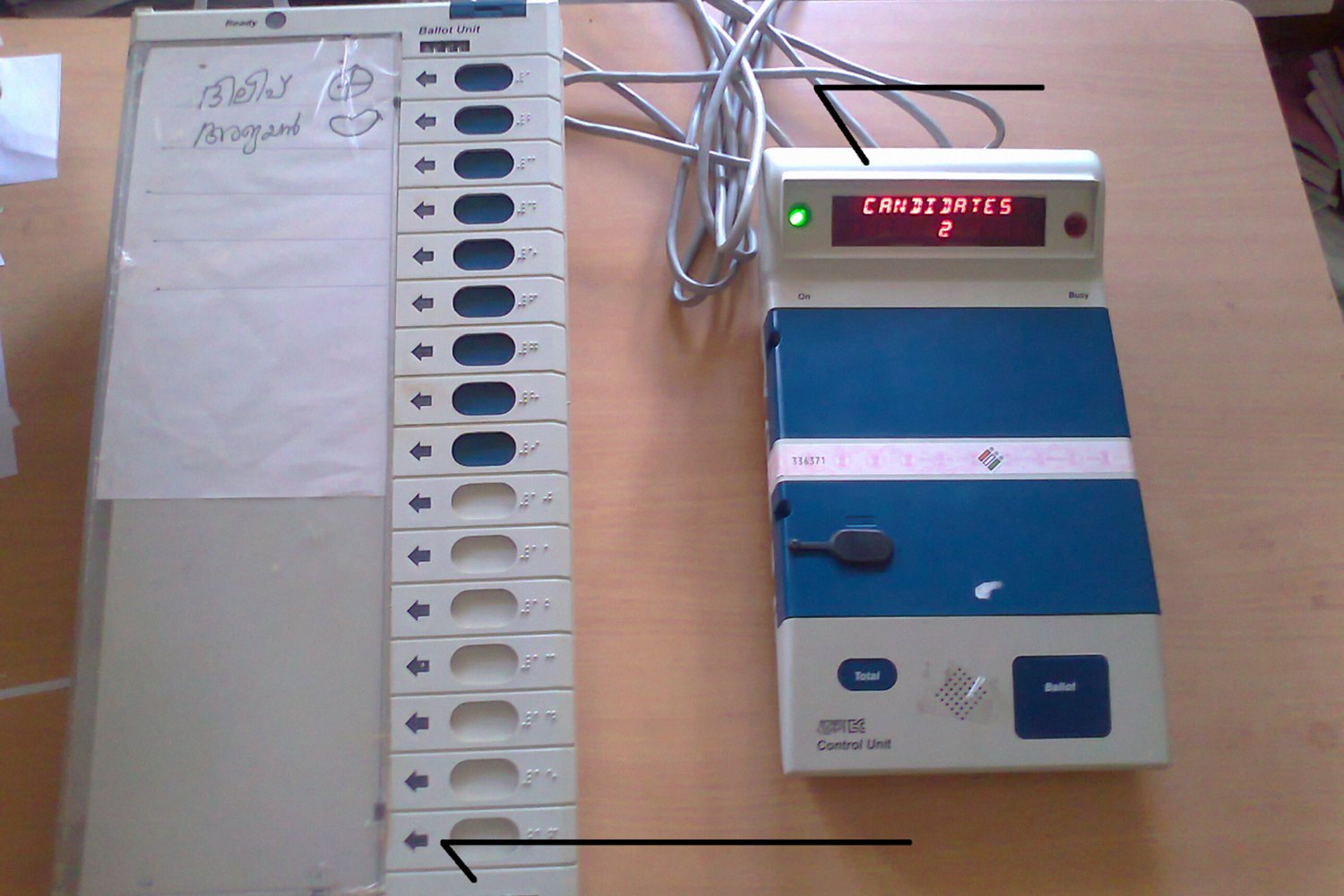
Uttarakhand published its final electoral roll on 15 September, at the end of a special intensive revision that reduced the state's register from 79,60,762 voters to about 71.3 lakh.
Roughly 8.26 lakh names were identified for deletion during the revision.
What the Commission says the deletions are
The Election Commission has set out the categories.
Of the 8.26 lakh, about 1.26 lakh are recorded as deceased, 4.80 lakh as having shifted to other locations, and 1.60 lakh as not found at their registered addresses.
Vijay Kumar Jogdande, the additional chief electoral officer, described the basis of the exercise: "8.26 lakh voters were identified whose forms were not received."
The revision itself was conducted on 1 July 2026, with enumeration forms distributed and digitised between 7 June and 8 July. The draft roll was published on 14 July. Claims and objections ran from 14 July to 13 August, with a deadline of 11 September for disposing of objections, before the final publication on 15 September.
The district picture
Haridwar has the largest electorate on the draft roll at 12.46 lakh, followed by Dehradun at 11.90 lakh and Udham Singh Nagar at 11.55 lakh. Champawat has the smallest at about 88,000.
On the draft roll, men account for 52% of voters and women for 47%, with 217 registered in the third gender category.
The analysis of the draft
An analysis of the draft roll by the Sabar Institute has been the basis of most of the criticism directed at the exercise.
Its central finding is arithmetical: in 45 of Uttarakhand's 70 assembly constituencies, the number of voters deleted exceeded the margin by which the seat was won in the 2022 assembly election. The institute reported that the districts recording the highest deletions were Nainital, Udham Singh Nagar and Haridwar.
That finding does not establish that any individual deletion was wrong. What it establishes is that the revision is large enough, relative to the margins that decided those seats in 2022, to matter if any material share of it is contested.
The objections process
The objections filed during the claims period have drawn separate scrutiny.
In Kichha, in Udham Singh Nagar, 4,857 objections were filed, of which 4,855 came from a single BJP booth agent, Rajesh Tiwari. In Khatima, 392 of 394 deletion requests came from one BJP activist, Amit Kumar Pandey; Congress won the seat in 2022 by 6,579 votes. In Gadarpur, 670 objections were filed by a BJP worker, Chankit Huria; the BJP won there by 1,120 votes. In Rudrapur, of 2,818 requests, the largest single batch of 230 came from Sunny Paswan, an office-holder in the BJP's SC Morcha.
The Election Commission's 2023 manual prohibits any individual from filing more than ten objections a day. According to the analysis, 262 objectors filed ten or more each.
Filing an objection does not delete a voter. Each is adjudicated, and the Commission's figures for deletions are organised by reason rather than by who raised them. What the concentration shows is that a large share of the objections in several constituencies originated with a small number of people.
What happens next
The Commission's own process — claims, objections and their disposal — concluded on 11 September, and the final roll published on 15 September is the register that results from it.
The Commission's account is that the roll is now more accurate than it was, having removed the dead, the departed and the untraceable. The analysis of the draft says the scale of removal is large enough, in most of the state's seats, to exceed the margins that decided them last time. Both statements can be true simultaneously, and which matters more will not be settled by the roll itself.
Sources
- PTI via The Sen Times — PTI. Pre-SIR 79,60,762 and draft 71,33,785; 8.26 lakh identified for deletion; deceased 1.26 lakh, shifted 4.80 lakh, untraced 1.60 lakh; SIR 1 July, forms 7 June to 8 July, draft 14 July, objections to 13 Aug, disposal by 11 Sep, final roll 15 Sep; district totals; Jogdande quoted.
- National Herald — NH Political Bureau. Sabar Institute analysis; deletions exceeded 2022 margins in 45 of 70 seats; highest in Nainital, Udham Singh Nagar, Haridwar; objection concentrations at Kichha, Gadarpur, Khatima and Rudrapur; EC 2023 manual ten-objection daily limit and 262 objectors filing ten or more.