BRICS negotiators work through the night on a West Asia paragraph
Iran, the UAE and Saudi Arabia will all be at the table. The last ministerial meeting in May produced no joint statement at all.
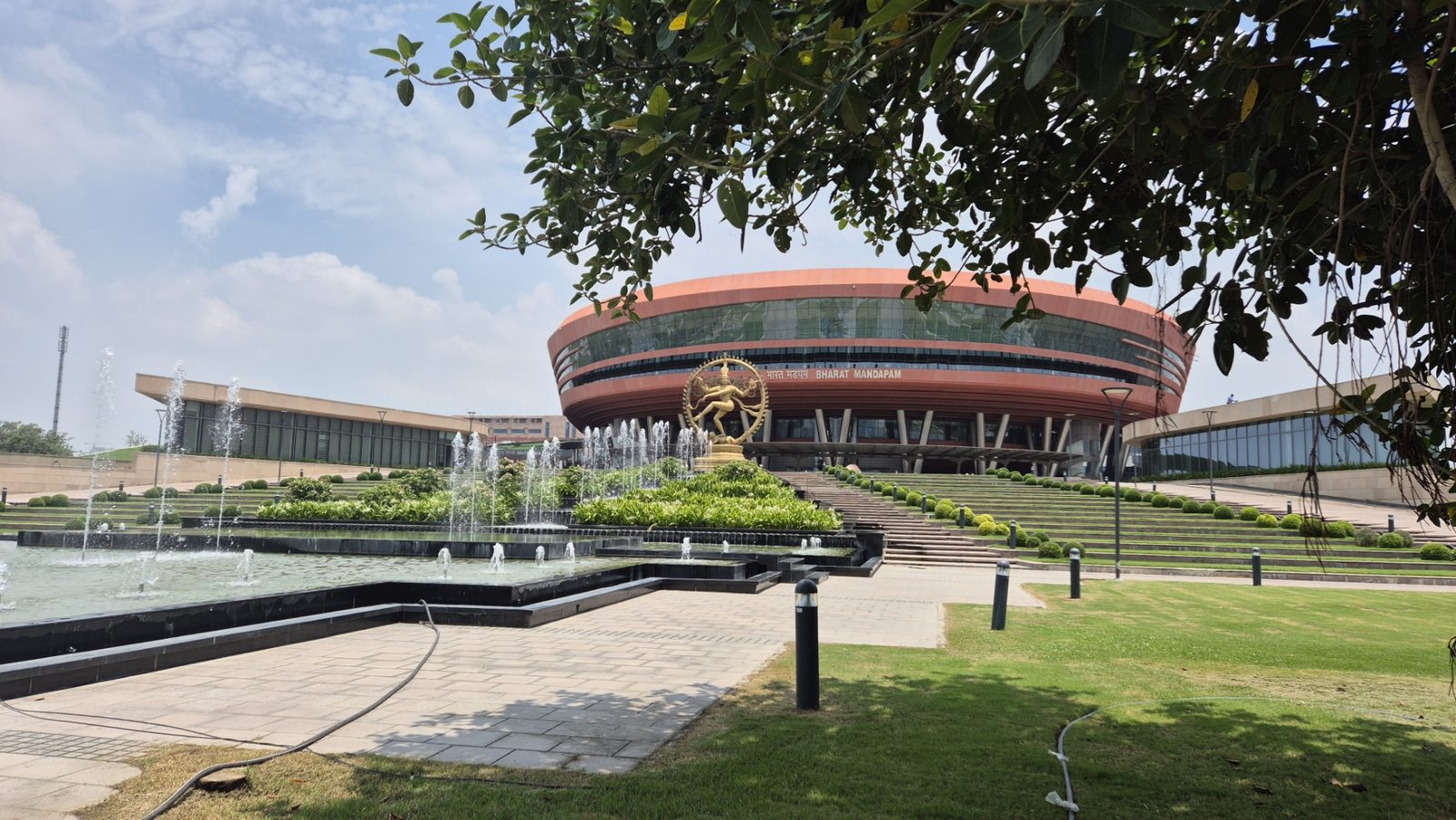
The senior negotiators of all eleven BRICS member countries have been working through the nights in New Delhi to produce a joint declaration for this weekend's summit, and the paragraph holding them up is the one on the war in West Asia.
The difficulty is structural rather than diplomatic squeamishness. Iran, the UAE and Saudi Arabia will all be at the summit table, and they are on opposing sides of a conflict that began on 28 February, when the United States and Israel attacked Iran. Tehran has since targeted US bases in the Gulf, including in the UAE, leaving the Emiratis and the Iranians at odds for six months. A BRICS declaration is a consensus document; every one of those countries has to sign the same words.
What happened the last time
There is a recent precedent, and it is not encouraging.
When BRICS foreign ministers met in New Delhi in May, the two days ended without a joint statement. India, as chair, issued a chair's statement and an outcome document instead — a formulation that records what was discussed without claiming everyone agreed. The statement acknowledged "differing views among some members" on the West Asia situation and noted that members had set out their "respective national positions".
That is the diplomatic vocabulary for a failure to converge, and it is what New Delhi is trying to avoid repeating at leader level.
At that May meeting, Russia's Sergey Lavrov told the Emirati and Iranian ministers to hold direct talks. Four months on, Indian officials are trying a version of the same approach, holding separate meetings with UAE and Iranian officials to bring them onto common language for the Delhi declaration. They are not working alone: Russian, Brazilian and Egyptian officials are engaged in the same effort.
"We would like to have a BRICS' Delhi declaration, which is a consensus document, in all the paragraphs," a senior Indian official said. Efforts were under way, the official added, and the outcome was one India was optimistic of reaching.
The phrase "in all the paragraphs" is doing the work in that sentence. A declaration that covers everything except the war would be a partial success at best, and both the drafters and their audience know it.
Why the economics force the issue
India has a reason beyond diplomacy for wanting the conflict addressed head-on rather than papered over.
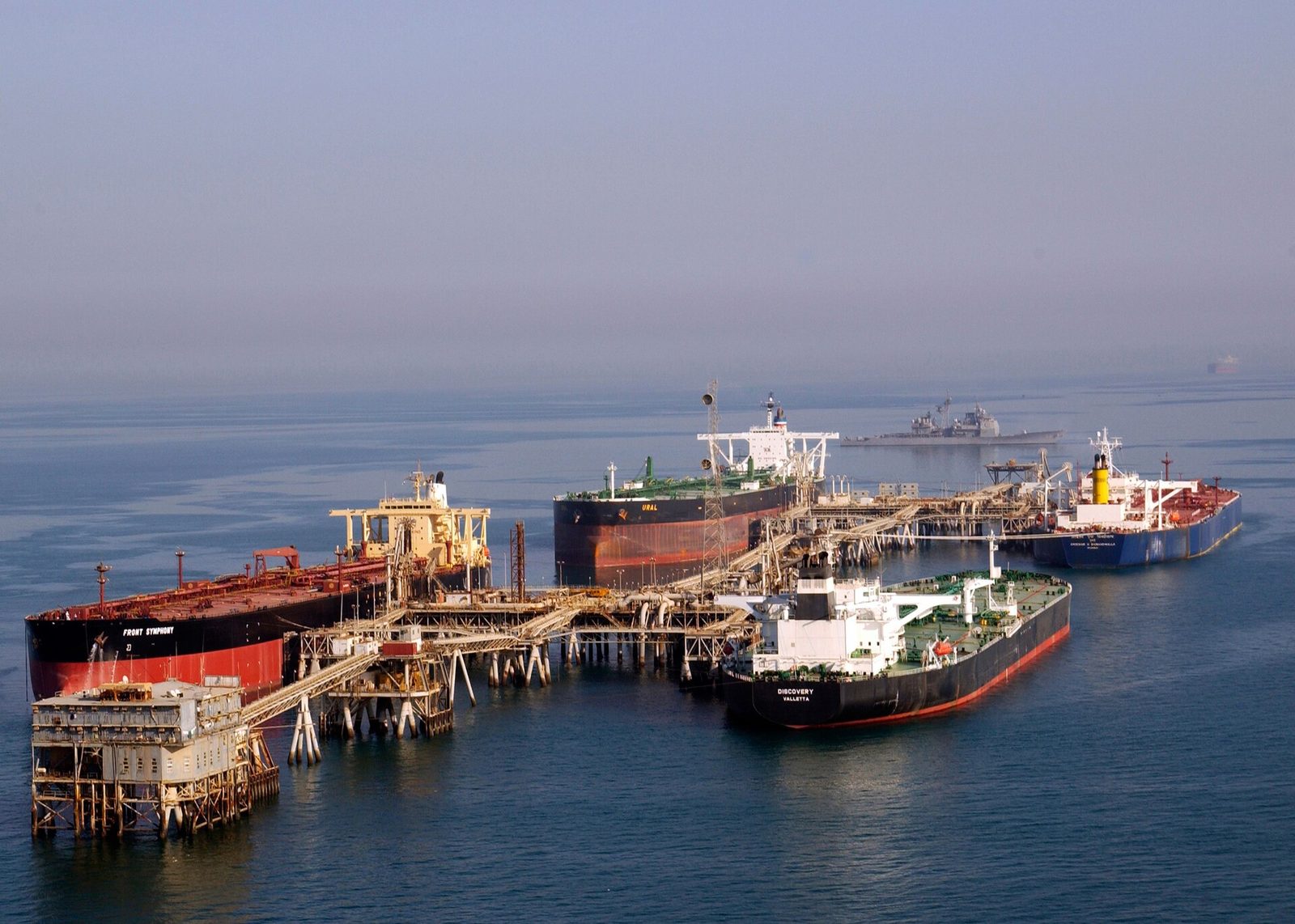
The crisis in the Strait of Hormuz has pushed energy prices up sharply — Brent crude passed $100 a barrel this week — and the waterway is effectively closed. For an economy that imports most of its oil, that is not a foreign-policy abstraction but an inflation problem, a current-account problem and a growth problem at once. West Asia matters to India for its energy supplies, its trade links and the size of its diaspora in the region, and a prolonged disruption raises the import bill and complicates the outlook.
Delhi therefore wants the declaration to say something about the Hormuz crisis and its economic consequences, rather than confine itself to the safer ground the bloc can always agree on.
Officials say the wider agenda is in better shape: food security, climate change, energy security and the economic impact of the conflict are all on it, and none of those are contested in the way the war itself is.
The meetings around the drafting
Modi's bilateral meetings with Putin and with Iranian President Masoud Pezeshkian have both been confirmed for Friday, the day before the summit opens — placing the host in a room with one of the parties to the dispute before any leader sits down to the multilateral session.
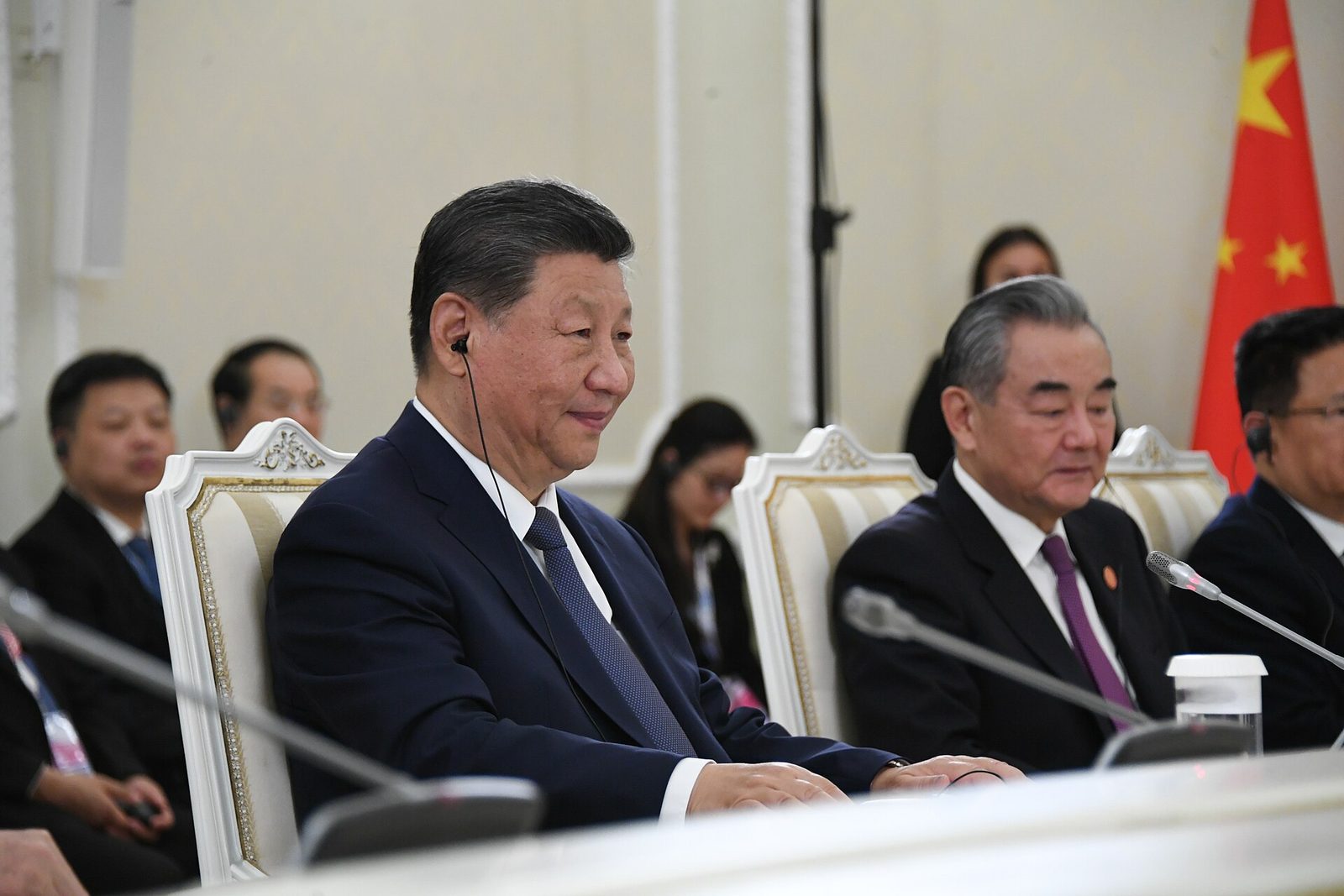
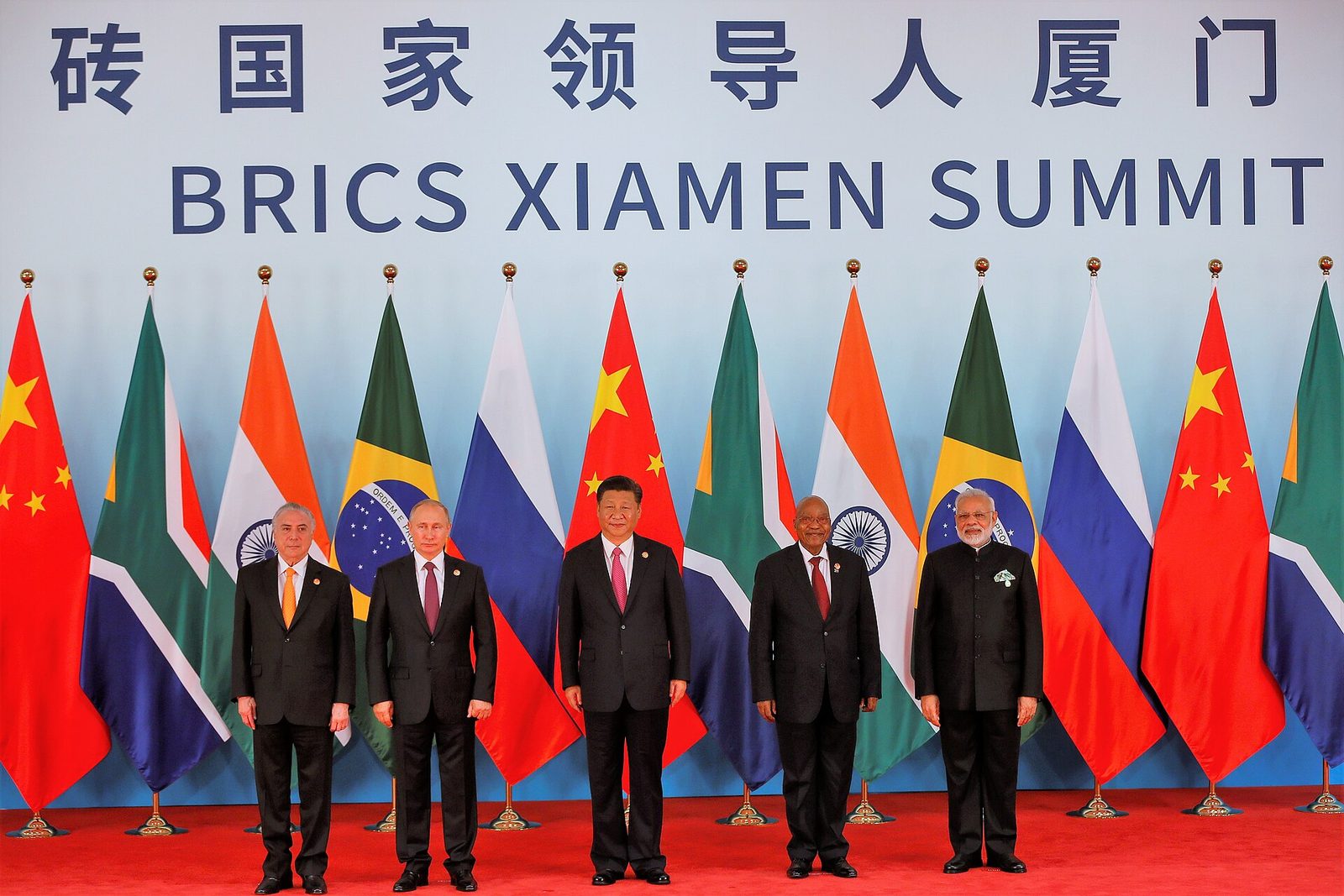
Putin's attendance was confirmed some time ago. Officials have also been preparing for the participation of Chinese President Xi Jinping, since confirmed by Beijing, along with Ramaphosa of South Africa and Prabowo Subianto of Indonesia. Brazil's President Luiz Inacio Lula da Silva is not coming — he was in New Delhi in February for the AI summit — and will send a senior government representative.
The formal proceedings begin on Saturday with a closed-door session for member countries only, titled Inclusive Global Governance and Strengthening Multilateralism. Closed-door is the relevant part: whatever is unresolved in the text will be argued there, without partners or outreach invitees in the room.
The test the summit actually sets
Hosting BRICS at this moment gives India room to press for a multipolar order in which the Global South's priorities are heard, but it also requires balancing its Western partnerships against the grouping's non-Western members.
The bloc's expansion is what has made that harder. Adding Iran, the UAE and Saudi Arabia in 2024 gave BRICS more of the world's energy and more of its diplomatic weight, and simultaneously imported the Gulf's rivalries into a body that operates by consensus.
By Sunday there will be either a declaration all eleven have signed or another chair's statement. The difference between those two documents is the clearest measure of what the expanded grouping can still do.