Indian Railways books 22.26 lakh reserved tickets in a single day
The Passenger Reservation System crossed 22 lakh bookings for the first time on 7 September, about 9 per cent above the previous record set last August.
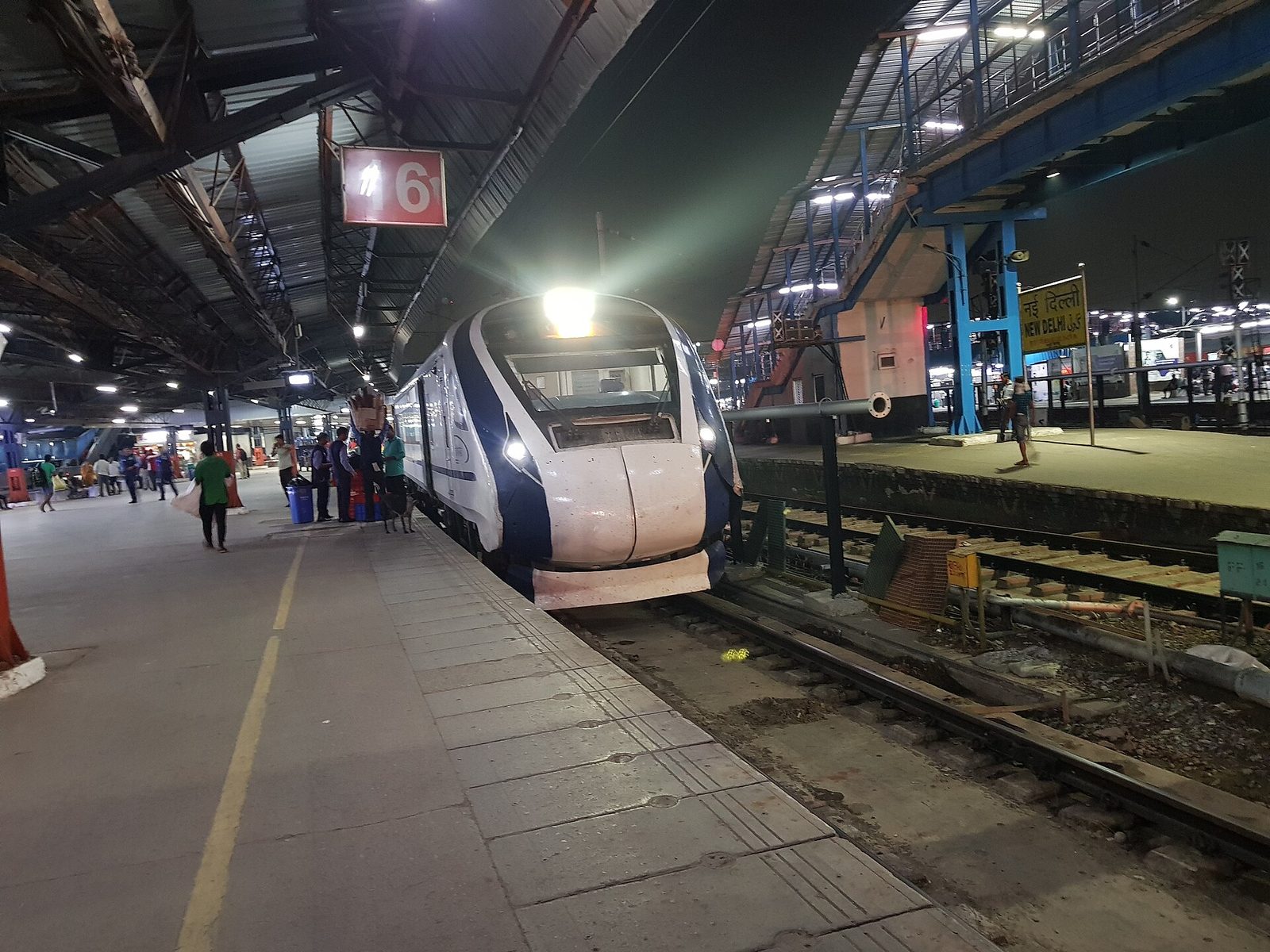
Indian Railways' Passenger Reservation System recorded its highest-ever single day of ticket sales on 7 September, crossing 22 lakh reserved bookings for the first time since the system was built four decades ago.
The Centre for Railway Information Systems, which developed and runs the platform, put the figure at 22,26,786 tickets — about 9 per cent above the previous record of 20,45,272, set on 19 August 2025.
"With 22.26 lakh tickets booked in a day, the PRS continues to demonstrate its scale, resilience and ability to serve millions of passengers", CRIS said in a statement.
What the system does
The Passenger Reservation System is the computerised backbone of reserved travel on Indian Railways. It handles booking, changes and cancellations, and behind that the work most passengers never see: seat allocation, waitlists, RAC status, reservation charts and passenger enquiries.
It was introduced in 1986, replacing manual reservation registers and counter-only booking. As the network grew, it became a nationwide platform through the Country-wide Network for Computerised Enhanced Reservation and Ticketing, or CONCERT, which allowed a passenger in one city to book a train running anywhere in the country.
Today the same system sits behind three different front doors: the reservation counters at stations, the IRCTC website and app, and the RailOne app. A record day is therefore a record for the counters and the phones at once.
Why a single day's number matters
A one-day peak is a stress test rather than a measure of annual demand. Reserved bookings cluster — around festivals, holidays and the opening of booking windows — and the interesting question about a peak is not that demand existed but that the system absorbed it.
That is what CRIS is drawing attention to. A reservation platform that fails under load does not merely inconvenience people; it produces queues at counters, duplicate transactions, and passengers who cannot confirm whether they hold a seat. The PRS has been carrying that risk since the year it replaced the ledgers, and the load it carries now is not the load it was designed for in 1986.
Nine per cent above the previous high is a meaningful jump for a single record. It is also a reminder of the sheer scale involved: 22.26 lakh reservations in one day is more than 2.2 million individual journeys arranged in 24 hours, on a network where a reserved seat is often the difference between travelling and not.
Four decades of load
The system's longevity is part of the story. Introduced in 1986, it has outlived the paper registers it replaced, the counter monopoly it broke, and several generations of the hardware it first ran on. Very little civilian software in India has been in continuous service that long while its workload multiplied.
Its architecture also explains why a record is possible at all. Because CONCERT joined the regional systems into one national network, a surge does not have to be met locally: the capacity is pooled, and a booking made at a counter in one state competes for the same seat inventory as one made on a phone in another. That is what makes a single national daily figure meaningful.
The rest of the passenger experience
The booking system is the part of Indian Railways that works at scale. Others are under review. The railways is preparing changes to RailMadad, the complaints portal, after persistent grievances about catering on Vande Bharat services and about water on trains — the kind of problem a reservation record does not touch.
There is a second reading available, and it is worth stating plainly: a record number of reserved bookings is also a record number of people who needed a reservation. Reserved travel is rationed by availability, and the waitlist exists because demand routinely exceeds the seats on offer. A peak day measures how many people asked, not how many travelled in the class they wanted.
That is the useful way to read the figure. It shows that the machinery for selling and allocating seats is holding up under record demand, four decades after it was built. It says nothing about what the passenger finds when they board, which is the part the railways is still working on. Selling the seat and delivering the journey are two different problems, and only one of them set a record this week.
Sources
- The Indian Express — CRIS figures, previous record, PRS history and CONCERT