Kerala gets 150 MW from the central quota as its evening deficit runs to 900 MW
Restrictions are falling between 6.15pm and 12.45am. Consumption is running 1,100 MW above previous Septembers, a swap arrangement with Madhya Pradesh lapsed, and the state imports about 80% of what it uses.
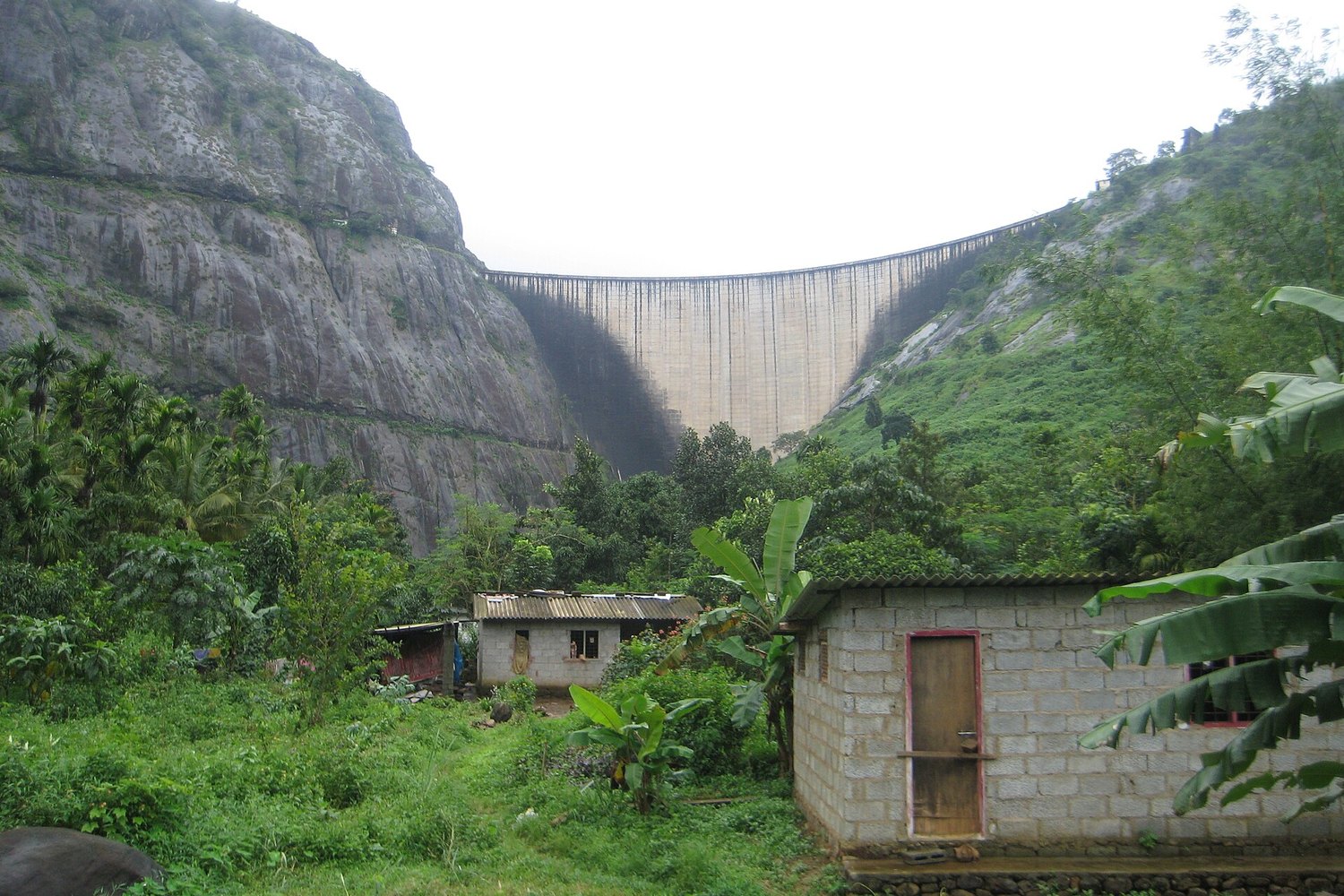
Kerala has been allocated 150 MW from the central quota as it works through a September power deficit running between 700 and 900 MW, with restrictions falling in the evening hours.
The state is imposing partial restrictions between 6.15pm and 12.45am.
Why September
The month is not when Kerala normally struggles, which is part of why the shortfall has been difficult to manage.
Consumption has risen by at least 1,100 MW compared with September in previous years, and peak demand is now mirroring levels the state usually sees only in the summer. Peak demand has been put at 6,033 MW.
The Kerala State Electricity Board attributes the position to a combination of factors: an El Nino-induced rain deficit and declining reservoir levels, record atmospheric temperatures driving consumption, and reduced availability from central generating stations and the power exchanges.
The board lists declining reservoir levels and record temperatures among the causes together, so demand has risen at the same time as available supply has fallen.
The procurement scramble
The daily position is being managed purchase by purchase.
On Sunday the board sourced 100 MW from GRIDCO Odisha, 15 MW from ACBIL and 100 MW through a swap arrangement with Madhya Pradesh between 9.15pm and midnight, with additional volumes from the power exchange. No cuts were imposed that day despite high consumption.
Monday was harder. The board said the arrangement it had been relying on had lapsed: "The 200 MW of power previously available from Madhya Pradesh under a swap arrangement will not be supplied today."
It described the effort to replace it: "continuous and strenuous efforts have enabled the securing of an additional 90 MW for today".
Ninety megawatts against a two hundred megawatt gap is the arithmetic that produced the evening restrictions.
What the imports cost
Kerala buys in roughly 80% of the electricity it uses. That dependence is the structural fact underneath the month's difficulties, and it is expensive when the national market is tight.
KSEB's power procurement expenditure has been put at around ₹13,344 crore, with emergency purchases costing between ₹9 and ₹15 a unit.
The national picture offers little relief. The Grid Controller of India has reported a deficit of around 12,000 MW nationally, driven in part by monsoon-related problems at coal-fired plants, and that shortfall remains unaddressed.
A contract dispute, contested
The shortage has revived an argument about a long-term power purchase agreement.
A 465 MW long-term contract entered into under a Congress-led government was subsequently cancelled by the CPM-led government, which cited procedural violations. The BJP, whose state president Rajeev Chandrasekhar has raised the issue publicly, says the agreement would have supplied electricity at around ₹3.50 a unit until 2039 and that its cancellation is a cause of the present costs.
Those are contested political claims rather than established findings. The cancellation and the stated reason for it are matters of record; whether the contract would have been available on those terms through 2039, and what share of the current deficit it would have covered, are not settled.
The same account points to a longer pattern of limited domestic generation capacity and storage, and to the absence of major new generation projects.
What the government has done
Chief Minister V D Satheesan convened an emergency review on 11 September with Chief Secretary Bishwanath Sinha and KSEB chairman and managing director M G Rajamanickam, and said directives had been issued for immediate action.
The CPI called protests at KSEB offices across the state on 15 September.
The 150 MW central allocation is the first addition to supply that does not depend on a daily purchase, and it takes effect as the restrictions continue.
What would end it
Nothing announced so far changes the underlying position. The allocation covers a fraction of the deficit, the swap arrangement that lapsed has not been replaced in full, and the reservoirs will not refill on a policy decision.
The restrictions are timed to the evening peak because that is when the gap is widest. Until either demand falls with the temperature or a durable supply arrangement replaces the daily purchases, that is the window in which Kerala households will keep noticing it.
Sources
- Onmanorama — Onmanorama staff. Deficit 700-900 MW; restrictions 6.15pm to 12.45am; consumption up at least 1,100 MW on previous Septembers; KSEB quoted on the lapsed 200 MW Madhya Pradesh swap and the additional 90 MW; Sunday procurement from GRIDCO Odisha, ACBIL and the exchange; El Nino, reservoirs, temperatures and the 12,000 MW national deficit.
- Organiser — Webdesk. 150 MW allocated from the central quota; Kerala imports about 80% of its requirement; peak demand 6,033 MW; procurement spend about Rs13,344 crore with emergency purchases at Rs9-15 a unit; the cancelled 465 MW long-term contract and the BJP position on it via Rajeev Chandrasekhar.