India opens the 18th BRICS summit at Bharat Mandapam
Eleven members, ten partner countries and a list of outreach invitees gather on 12-13 September. The schedule, the theme, and the one paragraph the negotiators cannot yet agree on.
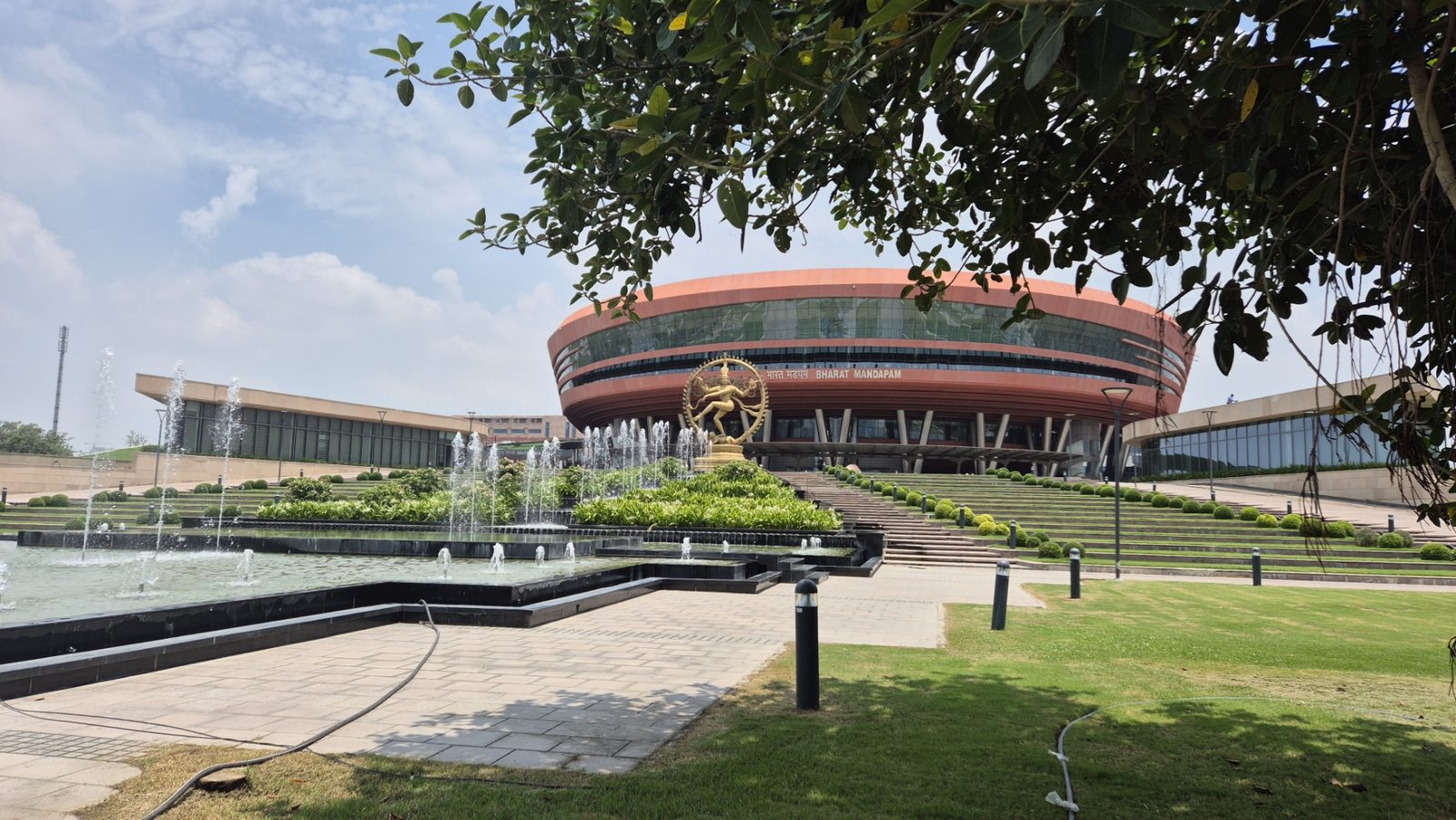
India opens the 18th BRICS Leaders' Summit at Bharat Mandapam on Saturday, bringing the heads of an eleven-nation bloc, ten partner countries and a list of outreach invitees into one hall in New Delhi for two days.
The capital has been given over to it. Posters and illuminated installations have gone up across the city, more than 35 roads are under traffic control, and Prime Minister Narendra Modi will chair a grouping that now represents a substantially larger share of the world economy than the one India last hosted. India holds the BRICS chair for 2026 under the theme Building for Resilience, Innovation, Cooperation and Sustainability.
The two days, hour by hour
Saturday begins with the arrival of leaders from member countries at Bharat Mandapam, expected between 1.30pm and 2.15pm. They move to the Summit Hall for a closed session confined to member states, titled Inclusive Global Governance and Strengthening Multilateralism — the session where the bloc talks to itself before it talks to anyone else.
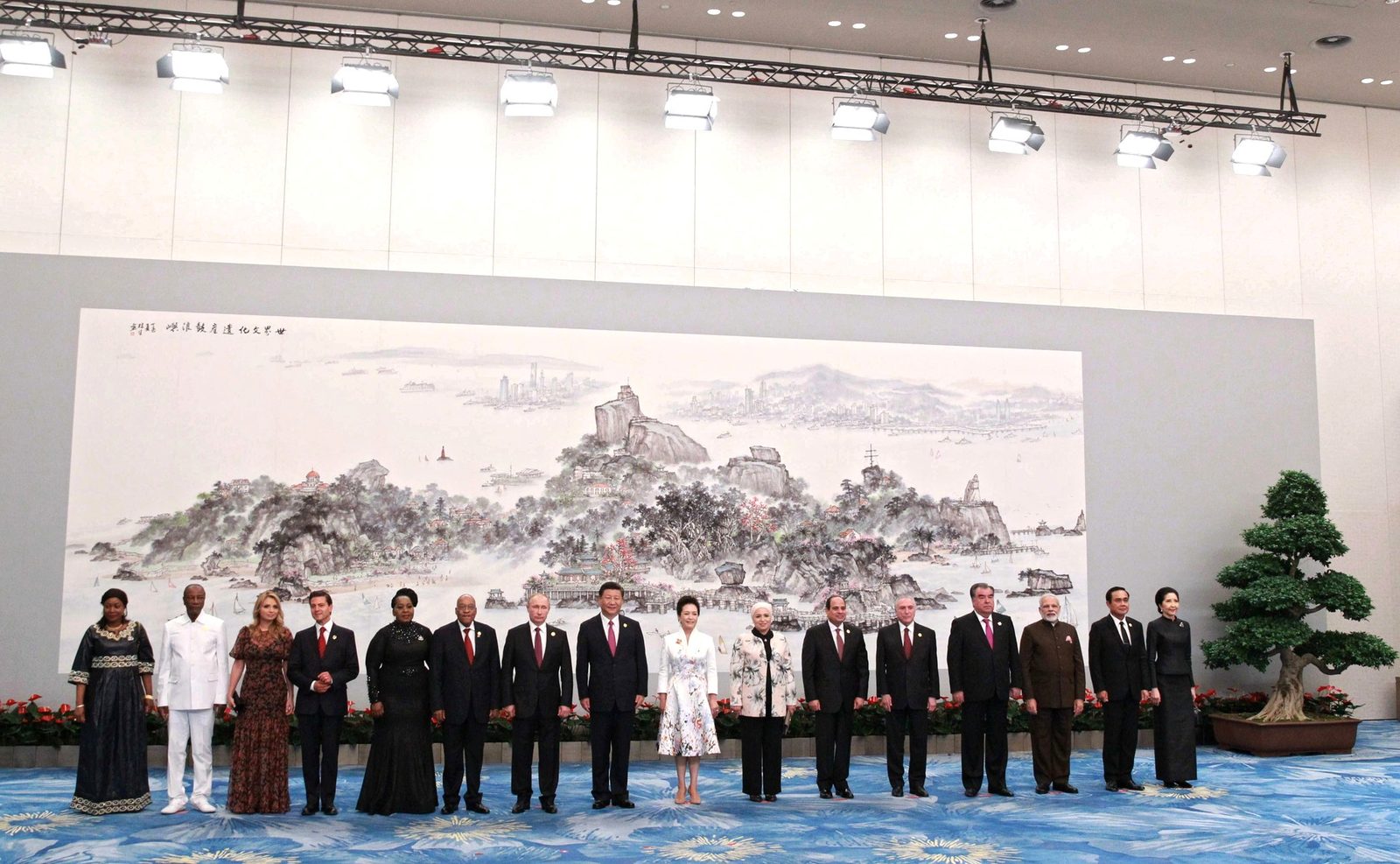
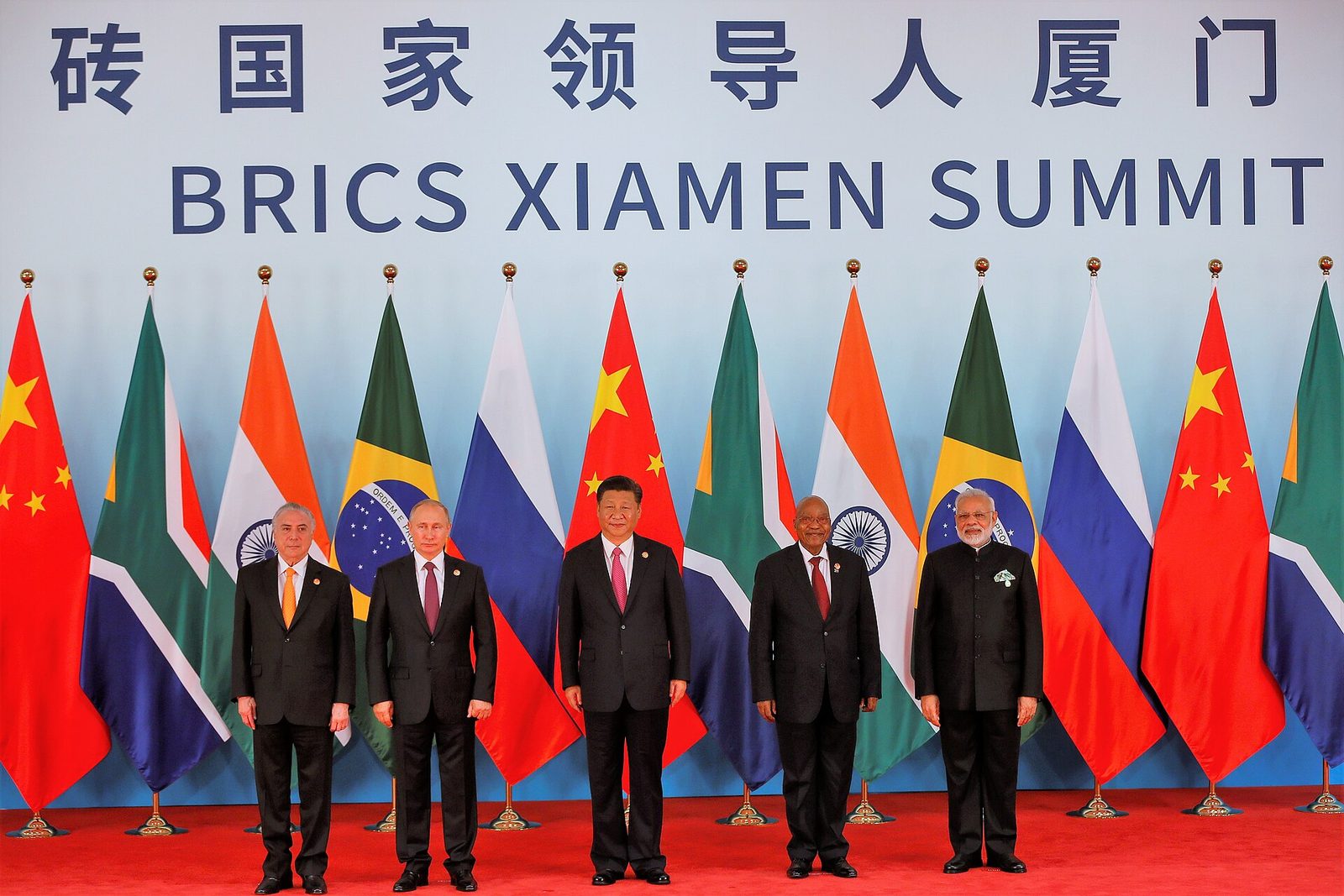
After that the leaders view the Bharat Innovates Exhibition, assemble on the outside lawns for the family photograph and take part in a joint tree-planting ceremony. The day ends with a gala dinner hosted by Modi at the venue.
On Sunday the leaders are expected back at Bharat Mandapam between 8.50am and 9.25am, for the sessions that bring in partner countries and outreach invitees.
A bloc that has changed shape
What convenes on Saturday is not the group that met in Yekaterinburg in 2009.
BRIC began as a four-country arrangement — Brazil, Russia, India and China — whose foreign ministers first met on the margins of the UN General Assembly in New York in 2006. South Africa's admission in 2011 supplied the S. The formal expansion took effect on 1 January 2024, when Egypt, Ethiopia, Iran, Saudi Arabia and the UAE joined, followed by Indonesia in January 2025.
That leaves eleven members: Brazil, China, Egypt, Ethiopia, India, Indonesia, Iran, Russia, Saudi Arabia, South Africa and the UAE. Ten partner countries sit alongside them.
This is India's fourth chairship, after 2012, 2016 and 2021, and it falls in the year the grouping turns twenty. New Delhi has used the year heavily: more than 350 meetings and high-level engagements across over 25 cities, covering the three pillars the bloc organises itself around — political and security cooperation, economic and financial cooperation, and cultural and people-to-people exchange.
Who is in the room
Russian President Vladimir Putin's attendance is confirmed; it is his second visit to India in under a year, after the annual bilateral summit in New Delhi in December 2025. Modi renewed the invitation in person when the two met at the SCO summit in Bishkek on 31 August.
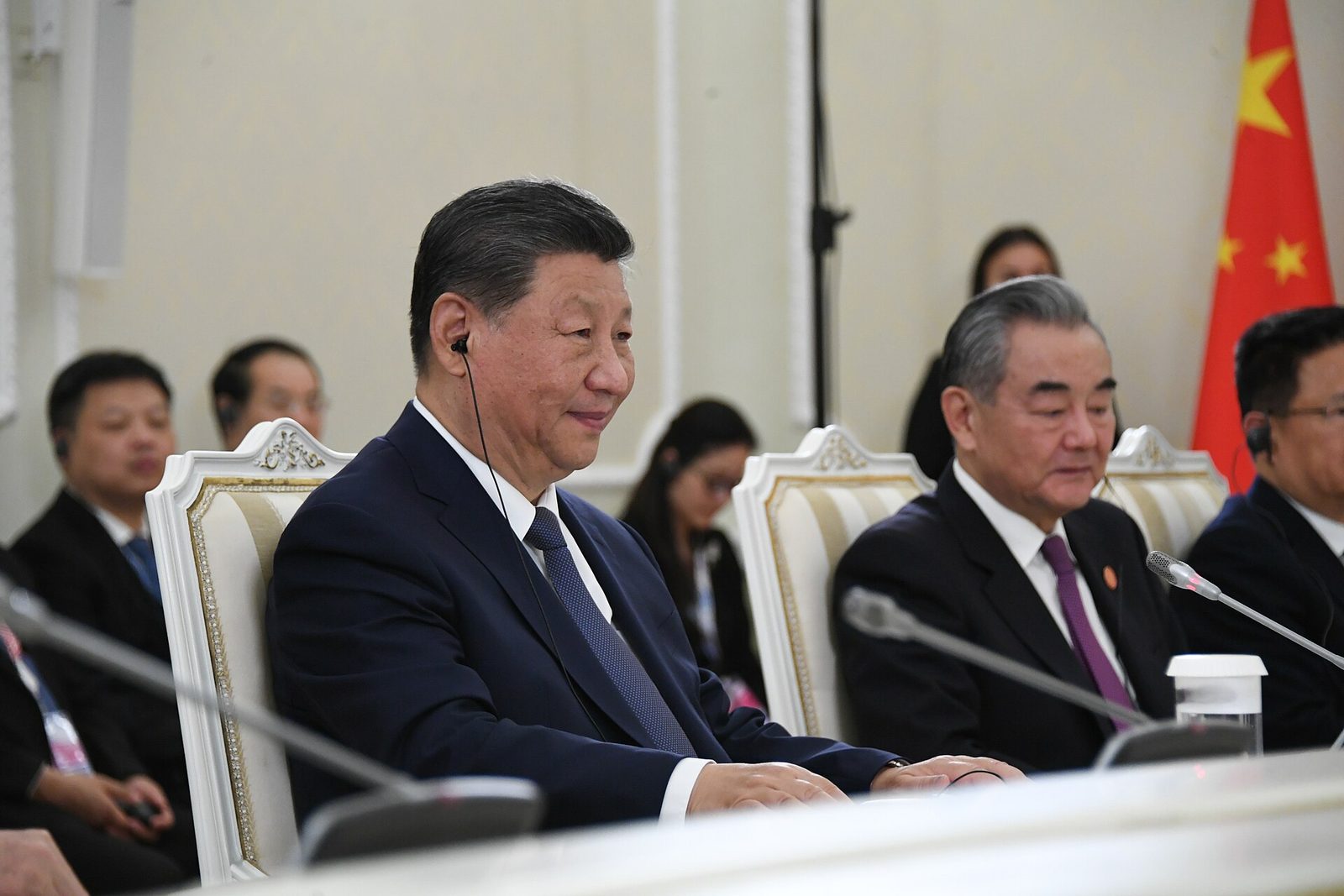
China's foreign ministry confirmed on Thursday that President Xi Jinping will attend, his first visit to India in seven years.
Also expected: South African President Cyril Ramaphosa, Egyptian President Abdel Fattah el-Sisi, Indonesian President Prabowo Subianto, Iranian President Masoud Pezeshkian, Ethiopian Prime Minister Abiy Ahmed, and Sheikh Khaled bin Mohamed bin Zayed Al Nahyan, the Crown Prince of Abu Dhabi. Brazil's President Luiz Inacio Lula da Silva is not attending — he was in New Delhi in February for the AI summit — and the country will be represented by its foreign minister, Mauro Vieira.
From the partner and outreach lists come Belarusian President Alexander Lukashenko, Kazakh President Kassym-Jomart Tokayev, Malaysian Prime Minister Anwar Ibrahim and Thai Prime Minister Anutin Charnvirakul. UN Secretary-General António Guterres is expected to take part, though a formal announcement was still pending.
Two bilateral meetings have been confirmed for Friday, the day before the summit proper: Modi with Putin, and Modi with Pezeshkian.
What the hall has to agree on
The substantive difficulty is not logistical. BRICS declarations are consensus documents, and this year the table includes Iran, the UAE and Saudi Arabia at a moment when the war that began on 28 February has put them on opposing sides.
Senior negotiators — the Sherpas of all eleven member countries — have been working through the nights in Delhi on the language covering West Asia. There is precedent for failure: when BRICS foreign ministers met in New Delhi in May, they could not produce a joint statement at all. India issued a chair's statement and an outcome document instead, recording "differing views among some members" and noting that members had set out their "respective national positions".
"We would like to have a BRICS' Delhi declaration, which is a consensus document, in all the paragraphs," a senior Indian official said, describing efforts as under way and the outcome as achievable.
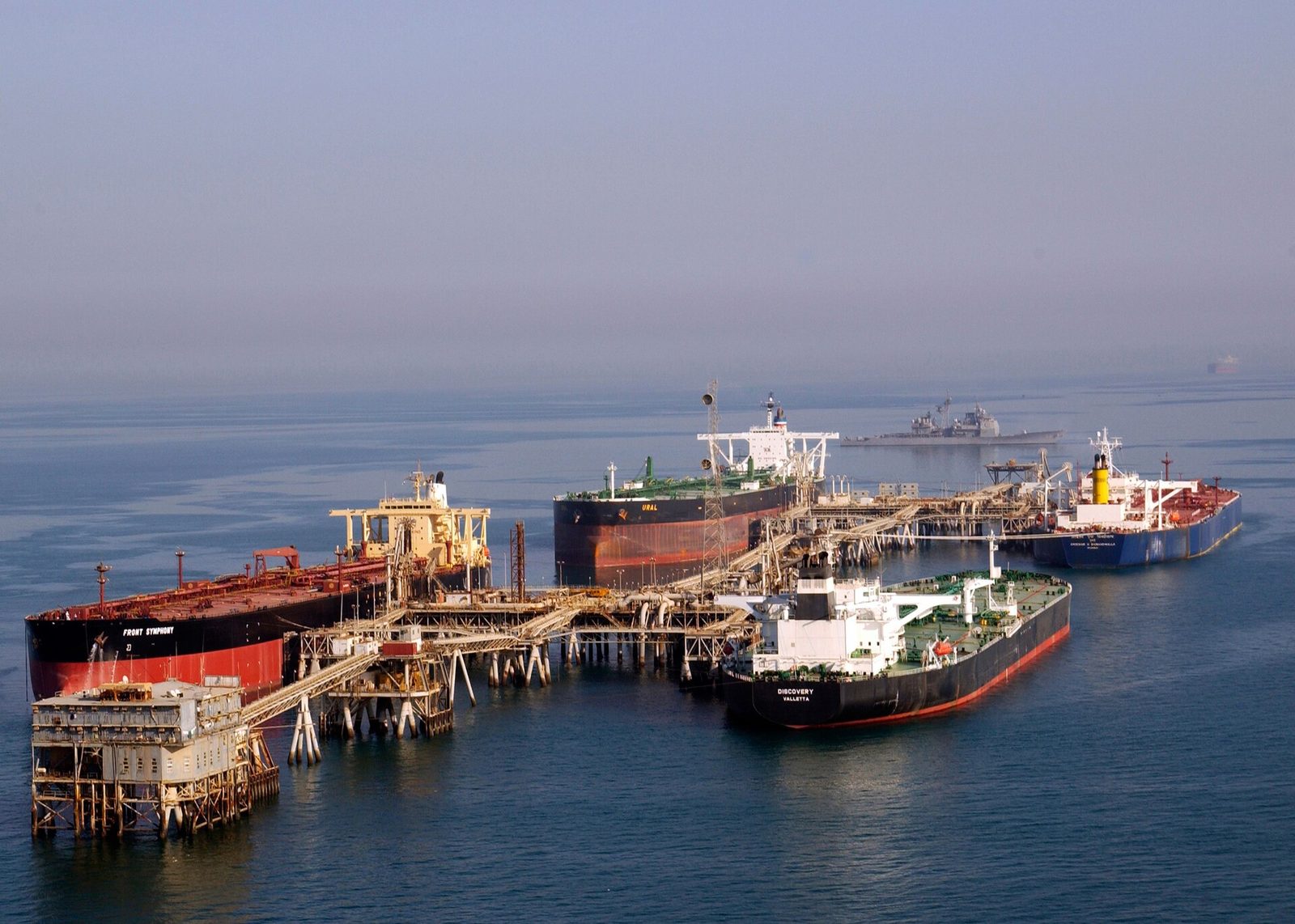
Beyond that paragraph, officials describe an agenda covering food security, climate change, energy security and the economic consequences of the conflict — the last of which has arrived early, with Brent crude passing $100 a barrel this week as the Strait of Hormuz remains effectively closed.
For India the summit is the culmination of a year's work and a test of whether a bigger BRICS can still speak with one voice. The first answer arrives on Sunday, in whatever document the eleven are willing to sign.