The US House votes a third time to end the Iran war
The resolution passed 220-204 with seven Republicans, three of them crossing for the first time. It cannot become law, and the vote is likely the last before the midterms.
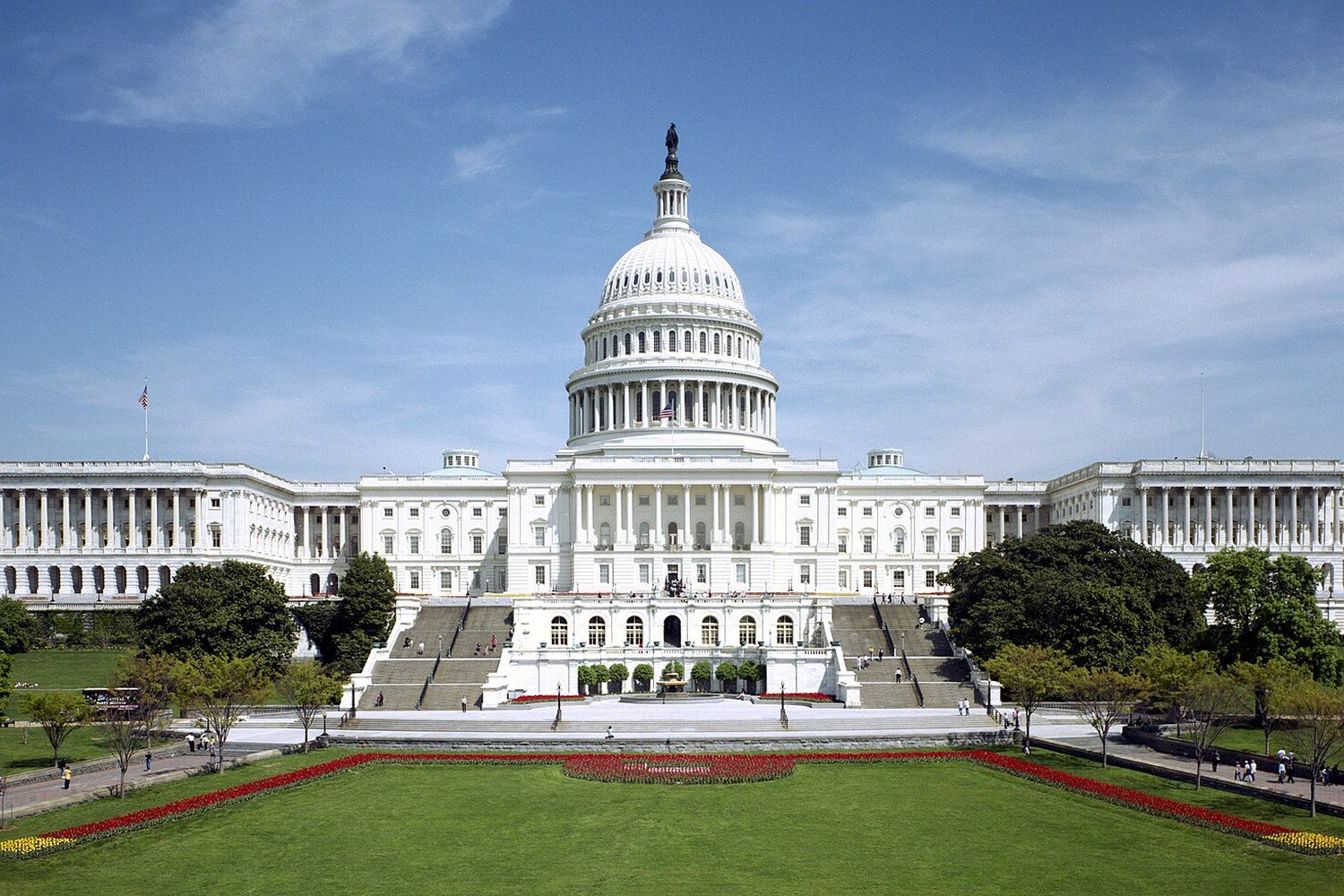
The US House of Representatives voted late on Tuesday to direct President Donald Trump to end military operations against Iran, passing a war powers resolution 220-204.
It is the third time the House has passed such a measure. None has reached the president's desk.
The arithmetic
Seven Republicans voted for the resolution alongside all Democrats present. Three of them were supporting the effort for the first time.
That is a movement of three. Republican support across the three House votes has risen from four to seven, which is the entire change the summer has produced.
The resolution directs the removal of all US armed forces from Iran, except those needed to defend the United States and its allies from imminent attack.
What the Republicans who crossed said
Zach Nunn, a Republican from Iowa, tied his vote to the collapse of negotiations rather than to opposition to the war itself.
"With the negotiating window closed, sustained combat operations now require congressional authorization," he said. He also cited his own service: "Having deployed multiple times and flown over 700 combat hours in the Middle East, I will not support another open-ended war."
That is a procedural argument rather than an objection to the war itself. The reasoning of the other six Republicans is not recorded in either account.
The case against
Brian Mast of Florida, who chairs the House Foreign Affairs Committee, argued the president is already doing what the resolution asks.
Trump is against "forever wars, and that is what he is ending", Mast said, describing Iran as "a continuous ongoing threat". He questioned which military resources the resolution's supporters would want removed from the region.
Why it changes nothing immediately
The resolution cannot become law in its current path. Trump would almost certainly veto it, and no previous version has reached him.
The Senate's record is more complicated. It approved a war powers resolution on its tenth attempt — and Republicans reversed course the following day, after Trump criticised them.
So the count in the House has moved by three votes across three attempts, and the Senate has passed and then unpassed the same idea.
The timing
This is likely the last House vote on the Iran war before the midterm elections, now fewer than fifty days away.
That gives the roll call a purpose beyond its legal effect. Every member is now on record, at the point where the record starts to matter, on a war that is playing a substantial part in the campaigns.
The vote does not end the war. It establishes who voted which way before voters are asked.
Sources
- Al Jazeera and AP — Al Jazeera Staff and AP, 16 Sep. 220-204 late Tuesday; seven Republicans, three for the first time; resolution halts military action without congressional approval; Nunn and Mast quoted; Senate approved on its tenth attempt then reversed; likely last House vote before midterms under 50 days away.
- The Jerusalem Post — Maya Zanger-Shamir, 16 Sep, own reporting with Reuters input. 220-204; third resolution after June and July; Republican support up from four to seven; resolution directs removal of forces except those defending against imminent attack; Nunn quoted on 700 combat hours.