Oman's Strait of Hormuz meeting collapses the night before it was due
Iran, Iraq and Gulf states were to meet at Salalah to discuss temporary routes through the strait. Bahrain refused to attend, Saudi Arabia objected to the wording, and the meeting was postponed with no new date.
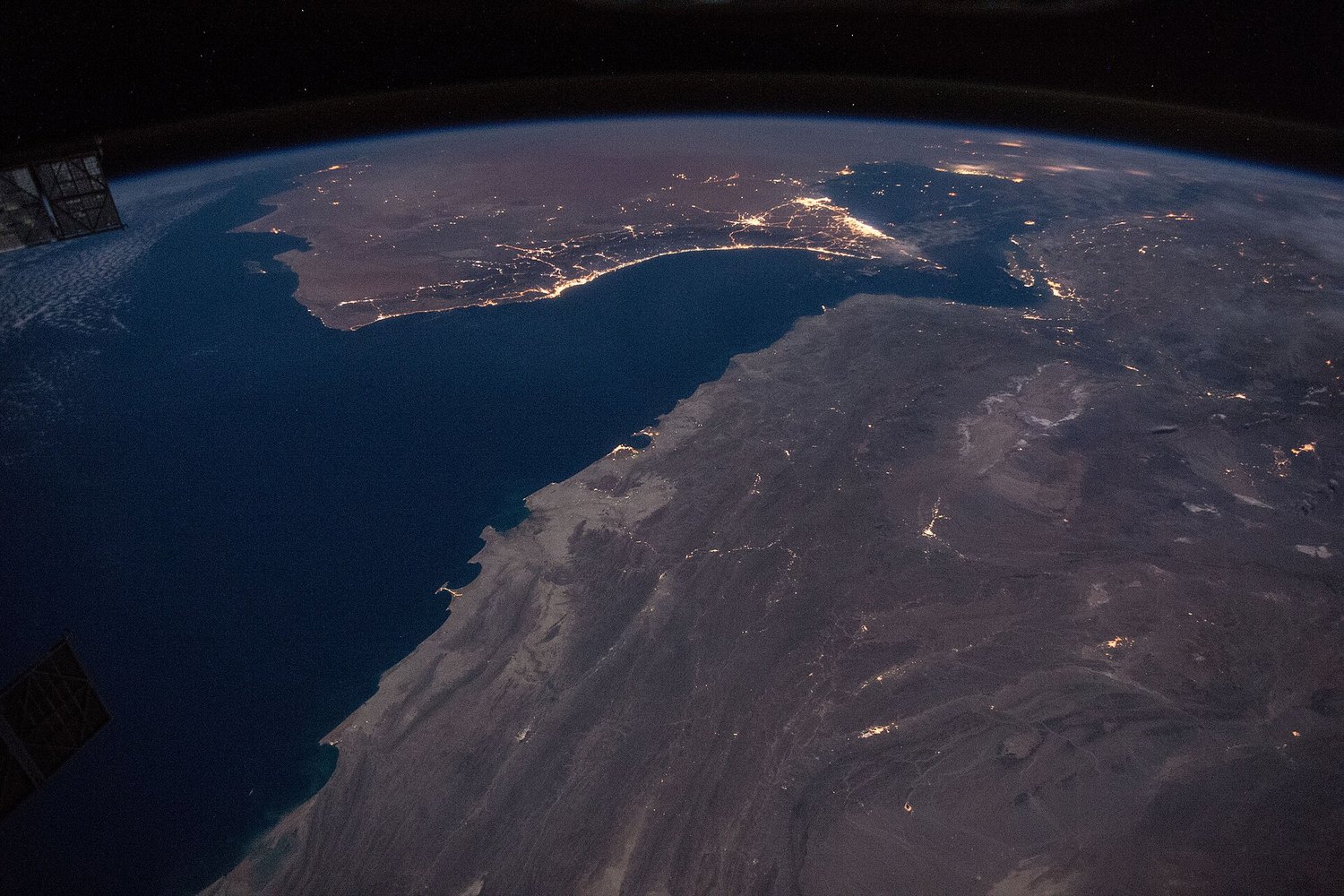
A meeting at which Iran, Iraq and Gulf states were to discuss temporary shipping routes through the Strait of Hormuz was postponed indefinitely on Sunday night, hours before it was due to open in the Omani port city of Salalah.
No new date was set.
What was on the table
Oman had proposed a framework for managing passage through the strait: a joint arrangement split evenly between the parties, with transit fees paid voluntarily, modelled on the way the Strait of Malacca is administered.
Officials from Iran, Iraq and the Gulf Cooperation Council states were expected. The United Arab Emirates had held preliminary discussions separately.
The purpose was narrow and practical. Iran has restricted passage through Hormuz since the war that began in February, requiring vessels to seek permission, and the Omani plan was an attempt to replace an ad hoc restriction with an agreed temporary regime.
Why it fell apart
Two governments account for most of the collapse.
Bahrain declined to attend at all, characterising the exercise as appeasement. It has said it will boycott until diplomatic relations with Iran are restored, and that any Hormuz arrangement must guarantee free passage for all shipping without discrimination, fees or permits — which is close to the opposite of what Oman was proposing.
Saudi Arabia submitted amendments. Its concern was that the proposal's wording would establish a new status quo that Riyadh would find unacceptable: an agreement covering temporary routes risks being read later as recognition of an Iranian right to manage the strait at all.
Iran's foreign ministry attributed the postponement to the Saudi objections.
How it was announced
Oman's foreign minister, Sayyid Badr Albusaidi, framed the decision as procedural rather than a breakdown, saying the meeting had been postponed "in the interests of consensus". The stated aim was to create conditions for constructive dialogue and durable understandings.
Iran said it would continue with the separate track it has been running with Muscat. "In consultation with Oman, in the next step, we will make a decision on how to announce or register the agreement," the foreign ministry said.
That points to a bilateral Iran-Oman arrangement proceeding whether or not the Gulf states join it — which is a materially different outcome from a regional agreement, and one that would leave Saudi Arabia and Bahrain outside a framework governing water their exports depend on.
The week the talks were held in
The meeting was scheduled during a period of escalation that would have made it difficult regardless of the drafting disputes.
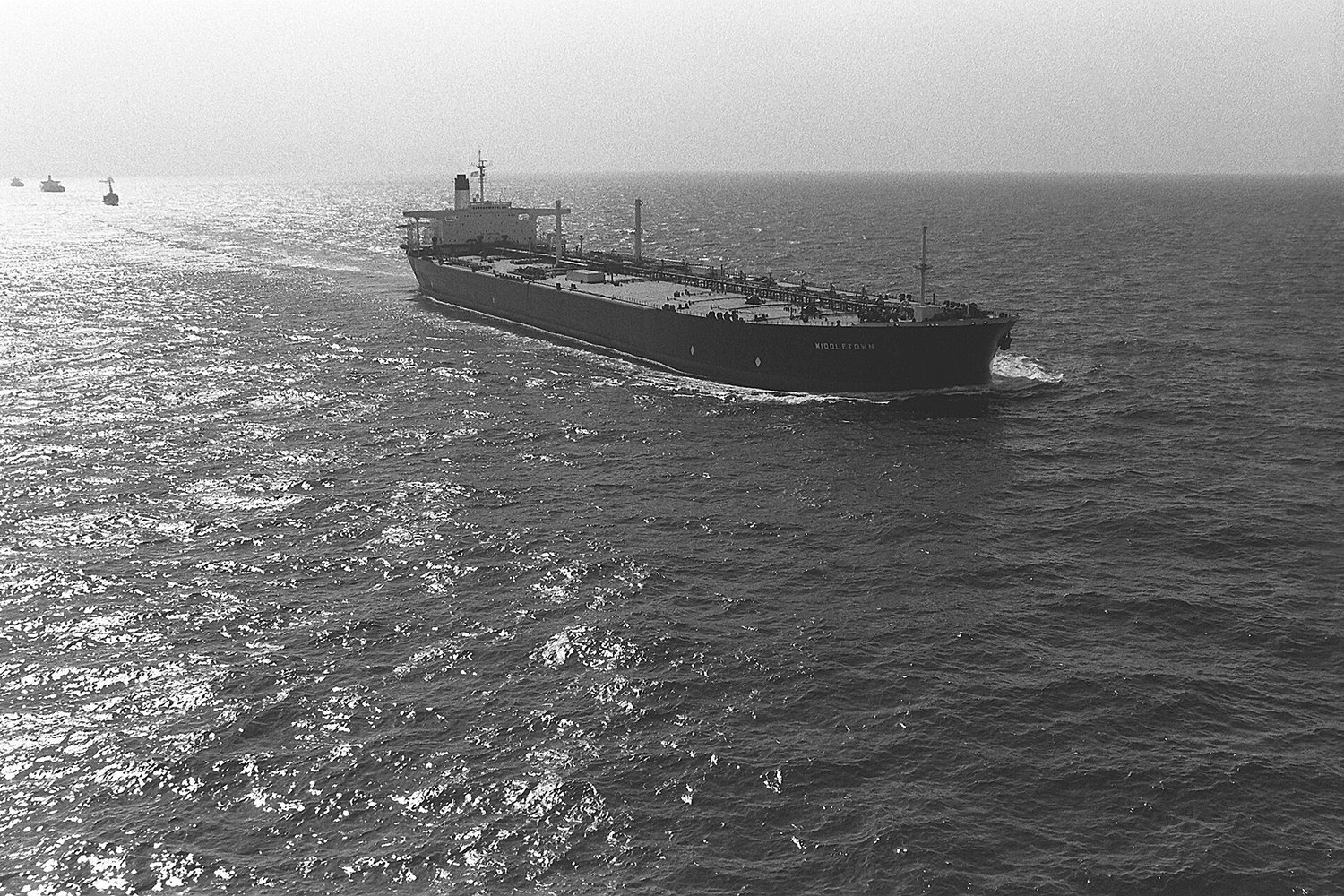
Drone strikes launched from Iraq hit Saudi Arabia's East-West crude pipeline, the kingdom's route for moving oil to the Red Sea without using Hormuz, forcing it offline. An Iranian cargo vessel was attacked near Qeshm Island, killing one person. Another vessel caught fire nearby. A supertanker is burning in the strait, with Iran and US Central Command giving incompatible accounts of the cause.
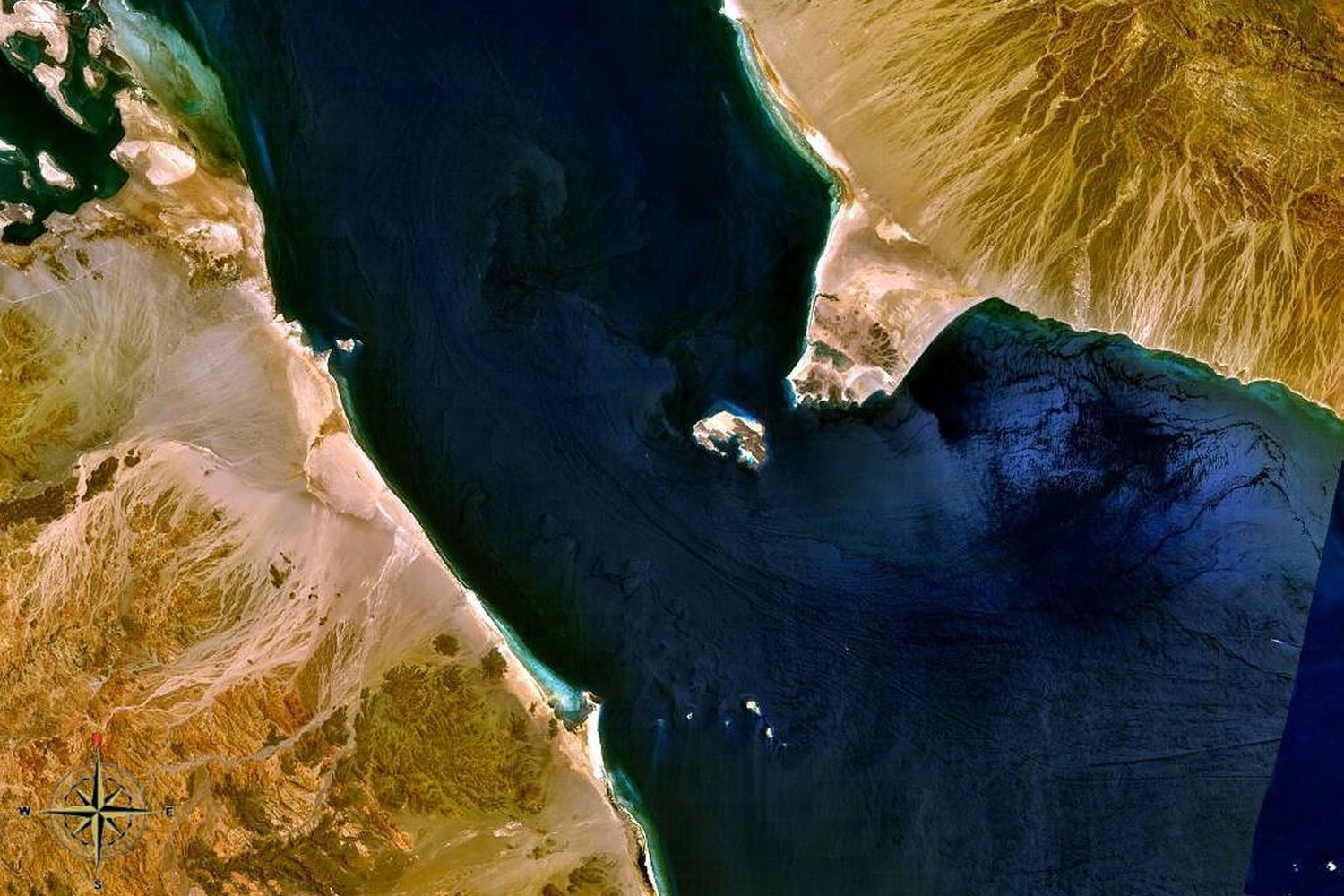
Houthi forces completed their takeover of the Bab el-Mandeb strait at the far end of the Red Sea, closing the other maritime route out of the region.
The gap that remains
Beyond the drafting, the parties want different things from any deal.
Iran has pressed for transit fees to be mandatory rather than voluntary, and for sanctions relief to form part of the package. The Gulf states are divided on whether to engage with Tehran at all. A unified Gulf position did not emerge before the meeting, and the meeting was the mechanism by which one might have.
What the postponement leaves
The strait remains under Iranian restriction. Shipping continues to require permission. Insurance costs stay where the war has put them, and Brent crude has traded above $107 a barrel.
Oman's plan is not dead — its foreign minister was careful to present the delay as a search for consensus rather than a failure to reach it. But the meeting that was to produce the agreement did not happen, the two governments that blocked it have not changed their positions, and Iran is now talking about registering an agreement with Oman alone.
Sources
- The Week — Salalah meeting of Iran, Iraq, Saudi Arabia and Qatar; Oman 50-50 framework with voluntary fees on the Malacca model; Albusaidi on consensus; Iranian demands for mandatory fees and sanctions relief; regional escalation.
- Al Jazeera — Maziar Motamedi. GCC minus Bahrain; postponed Sunday night with no new date; Bahrain calls it appeasement; Saudi amendments over a new status quo; Iran to pursue the bilateral track with Oman.