South Korea rules out sending troops to the Strait of Hormuz
President Lee Jae Myung said there would be no deployment that draws the country into the war, while leaving in place the naval unit that escorts Korean merchant ships.
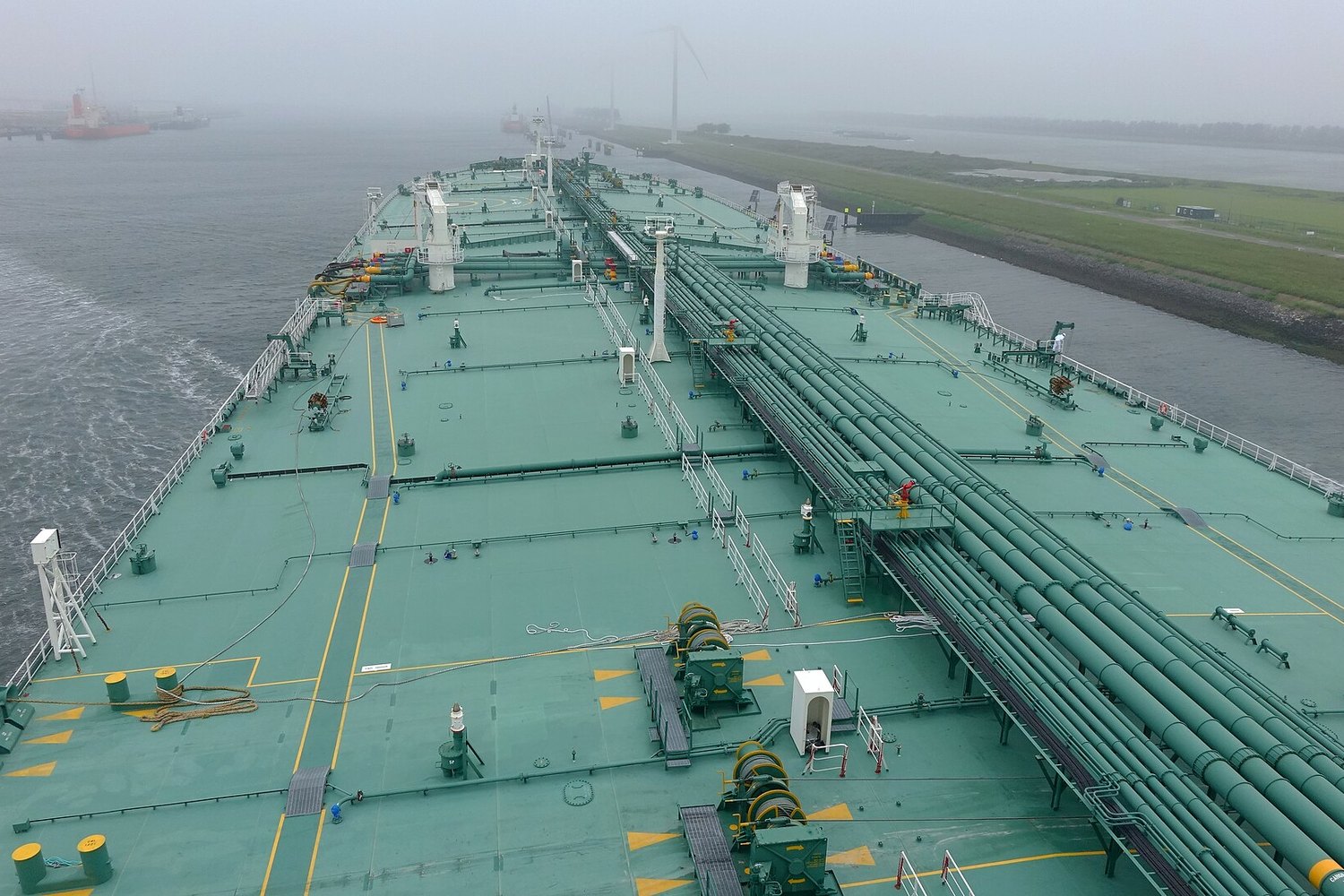
President Lee Jae Myung said on Friday that South Korea will not send troops or military assets to the Strait of Hormuz in any role that would involve it in the war there.
He drew the line at a press conference at the Blue House guesthouse, and drew it twice. "There will be no dispatch of troops that will lead to involvement in a conflict," he said. Separately: "There will be no deployment of troops or military assets that involves us in or draws us into wars."
What Seoul will still do
The refusal is not a withdrawal. Lee distinguished between fighting and protecting, and said the second continues.
South Korea keeps the Cheonghae Unit, a naval deployment whose task is guarding Korean merchant vessels and the shipping lanes they use. "It is clear that, like other countries, we must at least take the minimum steps necessary to protect our merchant vessels," Lee said, adding that the same applies to oil shipping routes and to the lives and safety of Korean citizens.
The government is weighing how to strengthen that protection. What it has ruled out is the category, not the presence.
The pressure he was answering
Lee was speaking against the expectation that Washington would ask for a Korean contribution to securing navigation through the strait.
He set out two things that would follow from agreeing. One is that Korea would end up taking part in, intervening in or supporting the war. The other is that Korean personnel could be placed under foreign command in dangerous circumstances.
"Korea will continue to uphold the principle of neither participating in nor intervening in the war," he said. The principle, on his account, is not new: it has been upheld so far and will remain unchanged.
North Korea, on the same day
Lee used the same press conference to say that President Trump wants to talk to North Korea, while treating the prospect as uncertain.
His assessment was that restarting talks between Pyongyang and Washington would be easier than restarting them between the two Koreas. Seoul will continue the preliminary coordination work that would make American-North Korean discussions possible. Trump has said he plans to meet Kim Jong Un later this year.
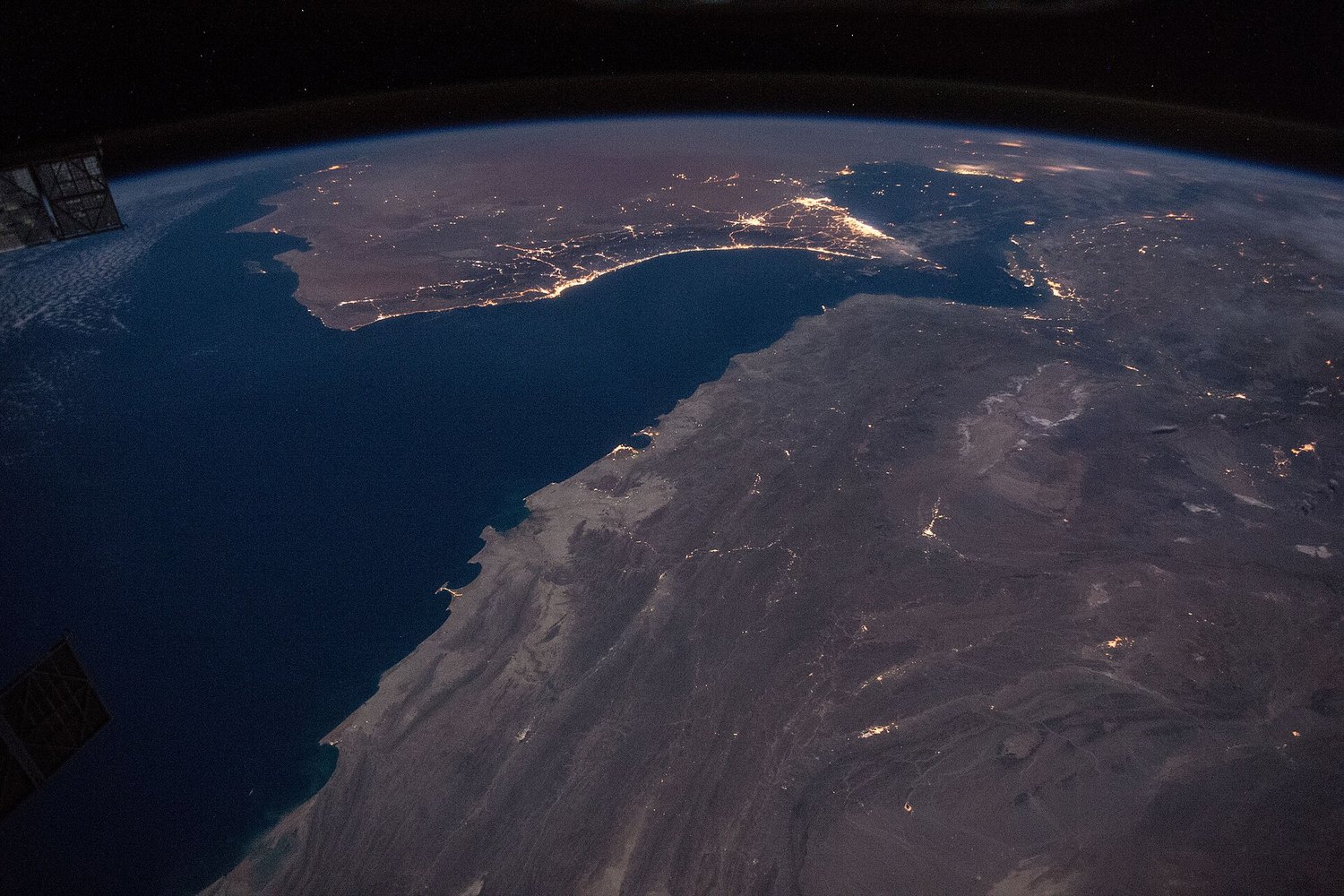
The strait in question
What Lee set out is a position with two halves that pull against each other. Korean ships and the oil routes they use matter enough that he named them as the reason for keeping a naval unit in the region, and said the minimum steps to protect them are not optional.
They do not matter enough to put Korean sailors into the war, or under another country's command. Seoul is still working out how much protection it can add without crossing from the first half into the second.
Sources
- Al Jazeera — 18 Sep 2026, credited to AFP and Reuters. Lee ruling out a dispatch of troops that leads to involvement in a conflict; South Korea limiting itself to protecting its own merchant vessels and shipping routes despite international pressure; Lee on US-North Korea dialogue being easier to resume than inter-Korean dialogue, Seoul continuing preliminary coordination, and Trump planning to meet Kim Jong Un later this year.
- Korea JoongAng Daily — 18 Sep 2026 12.45pm. The press conference at the Blue House guesthouse; the no-deployment quotation and the principle remaining unchanged; the concerns about taking part in, intervening in or supporting the war and about Korean personnel under foreign command; the Cheonghae Unit escorting merchant vessels; the minimum-steps quotation covering merchant vessels, oil shipping routes and citizens.