Houthis take Perim island and complete their hold on Bab el-Mandeb
Government forces withdrew from the volcanic island that splits the strait into two shipping lanes. With Hormuz already restricted, about a third of global seaborne trade now passes contested water.
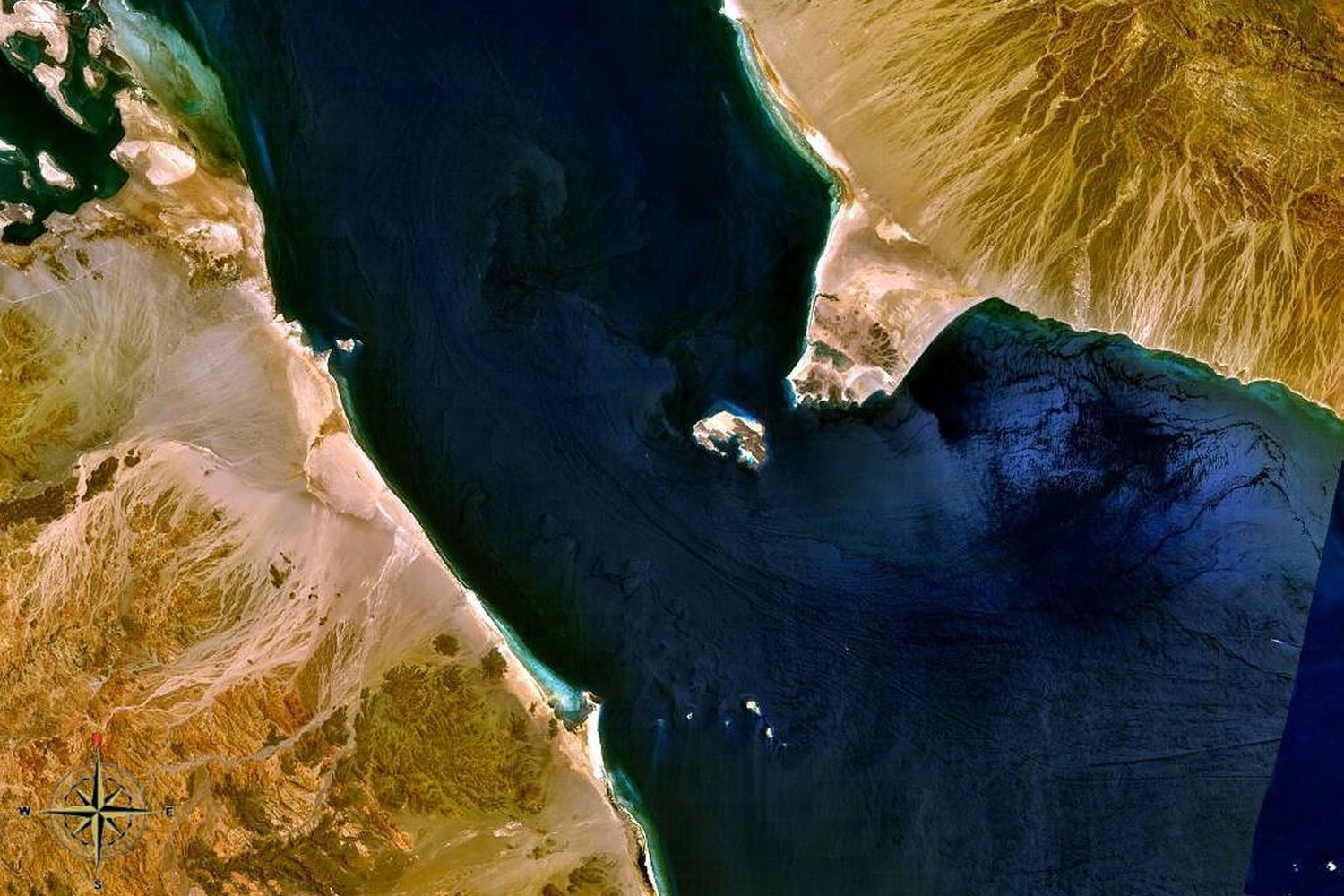
Houthi forces took Perim island on Friday after Yemeni government troops withdrew, completing their control of the Bab el-Mandeb strait at the southern end of the Red Sea.
The island, also called Mayyun, is a rocky volcanic outcrop that divides the narrowest section of the strait into two shipping lanes. Whoever holds it can observe, and in principle interdict, what passes.
An eighteen-hour advance
Perim fell at the end of a rapid sequence. The Houthis took the port city of Mokha on Thursday, then Dhubab and Murad, then the island — an advance of roughly eighteen hours along the Red Sea coast and out into the water.
More than 2,000 government soldiers were left besieged on the Hanish Islands. Sources described Houthi demands for their surrender. The soldiers appealed for rescue, for food and water, and for air support to lift the siege.
What the Houthis say about shipping
The group has been explicit that the closure is selective rather than general.
Yahya Saree, the Houthi military spokesman, said: "Maritime navigation is safe for all companies except Saudi ships, which have already been banned."
Hazem al-Assad of the Houthi politburo made a broader claim, saying freedom of navigation and international trade in the Red Sea and Bab al-Mandab are "safe and orderly".
Together those statements describe a policy of targeted exclusion — Saudi vessels barred, everyone else nominally unaffected. Whether shipping companies price it that way is a separate question.
The arithmetic of two chokepoints
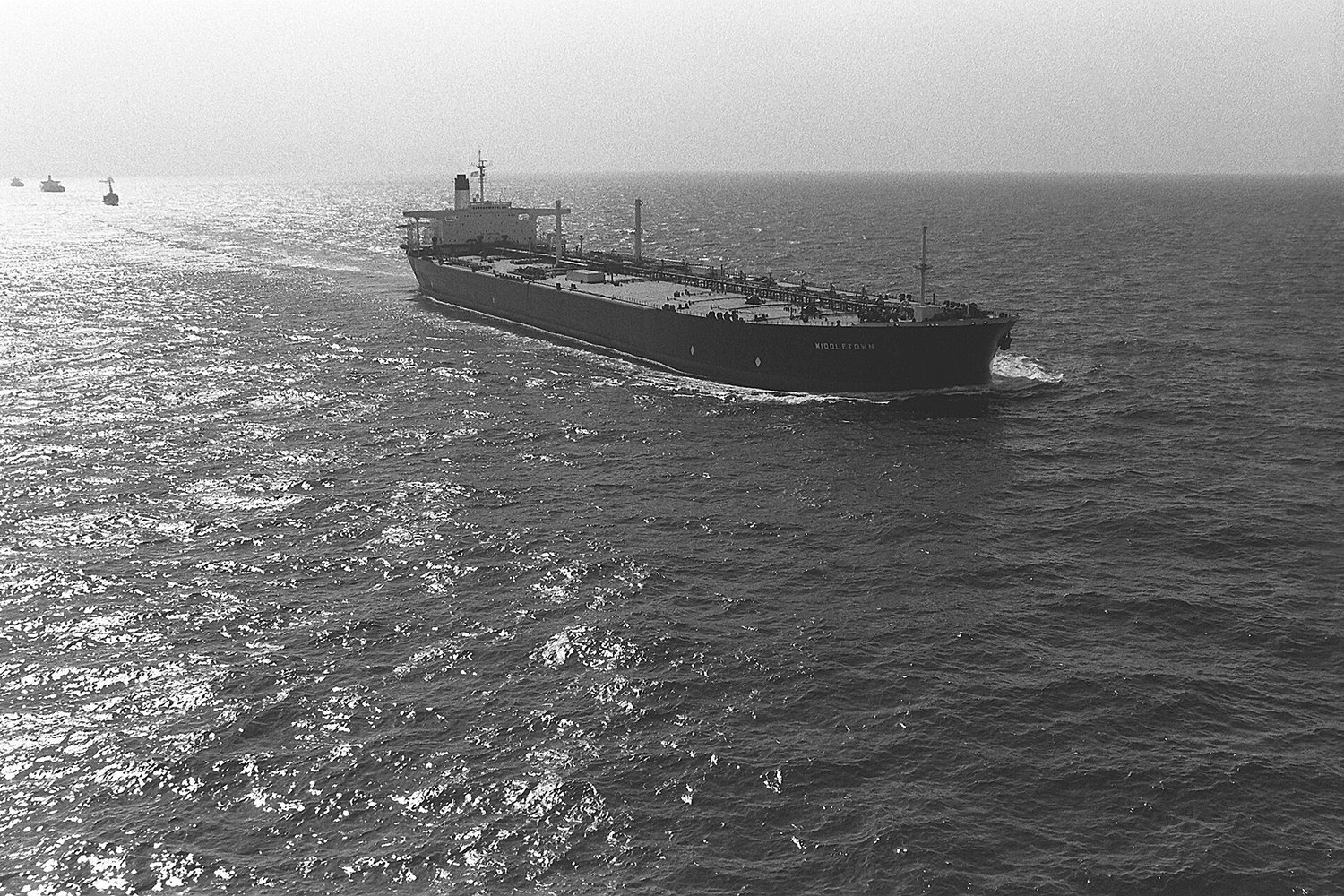
Bab el-Mandeb matters because of what runs through it. Close to a third of the world's container traffic passes through the Red Sea, and the Bab el-Mandeb and Hormuz chokepoints together account for more than a quarter of seaborne crude oil and petroleum products.
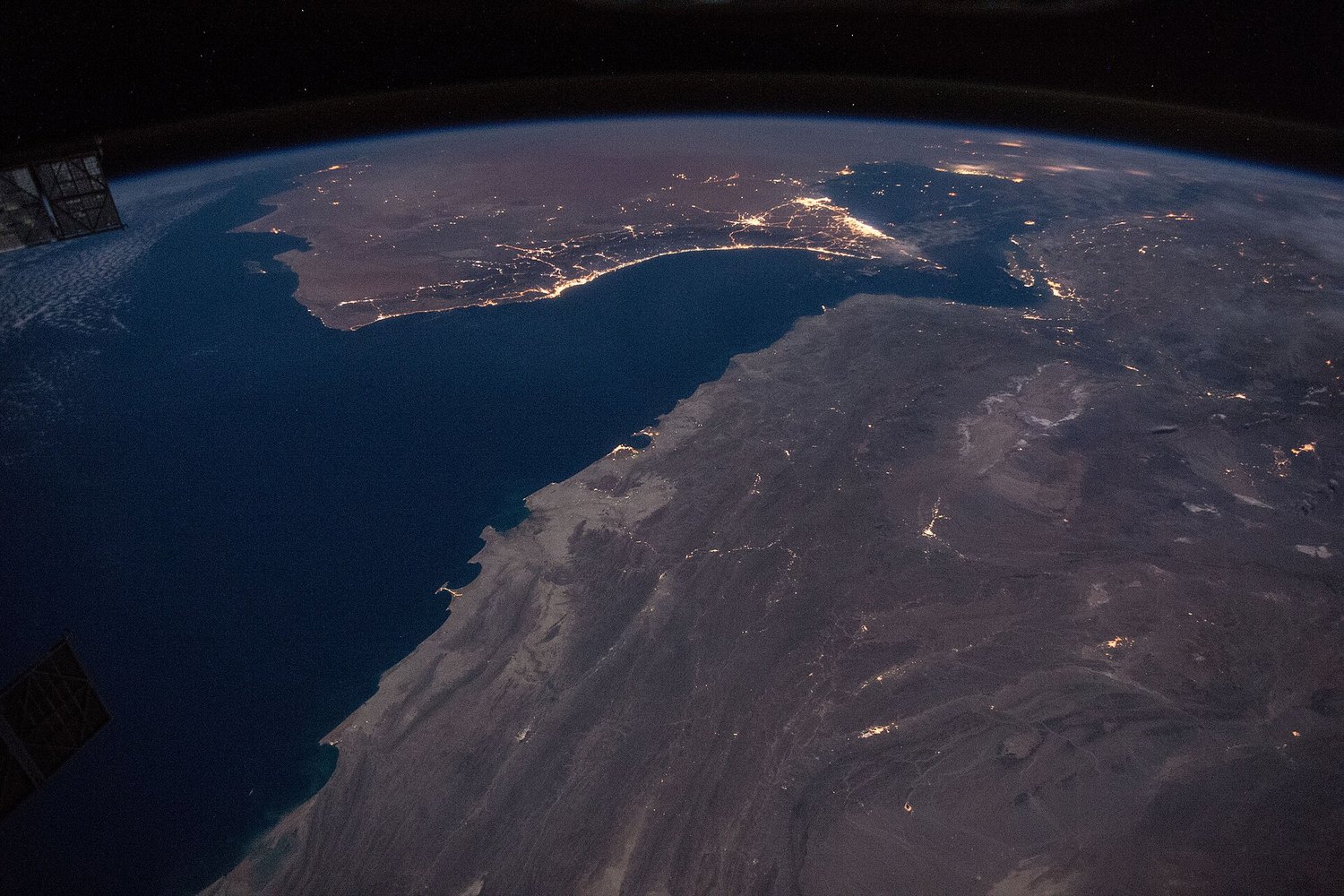
Iran has restricted Hormuz since the war that began in February. With the Houthis now holding Bab el-Mandeb, about a third of global seaborne trade moves past territory held by parties hostile to at least some of the traffic.
Caroline Rose of the Soufan Center set out the consequence for operators. Shipping that avoids the Red Sea has to route around the Cape of Good Hope instead, adding weeks to voyages and raising prices.
Rose describes that as the alternative now facing operators, rather than one already adopted across the industry.
Saudi Arabia, already short of options
The timing compounds a problem Riyadh already had.
Saudi Arabia shut its East-West crude pipeline on Friday after drone strikes launched from Iraq, with a smoke plume reported along some sixty miles of its route. That pipeline is the kingdom's way of moving crude to the Red Sea coast at Yanbu without using Hormuz. With it offline and Saudi vessels excluded from Bab el-Mandeb, both alternatives to Hormuz are constrained at once.
Oil prices moved above levels not seen since mid-May.
The response, so far
President Donald Trump declined to order military strikes but agreed to provide targeting assistance and intelligence sharing. Saudi Arabia asked Iraq for restraint over the drone launches while reserving its right to protect its sovereignty.
Andreas Krieg of King's College London described the position facing the parties, saying the "room for restraint is narrowing".
Amr al-Bidh of the Southern Transitional Council, the separatist authority in southern Yemen, framed the view of local forces simply: "we have to defend the south".
What has actually changed
The territory taken this week is not large. What has changed is position. Holding Mokha, the coastline and Perim gives the group physical control of one side of a chokepoint the world economy uses, at a moment when the other major chokepoint in the region is already restricted and Saudi Arabia's overland workaround is shut.
The Houthis say navigation is safe for everyone but Saudi ships. The test of that will not be the statement. It will be insurance rates, and whether carriers keep sending vessels through a strait whose island is now held by a party to a war.
Sources
- Euronews — Aleksandar Brezar. Perim/Mayyun taken Friday after withdrawal; 18-hour advance via Mokha, Dhubab, Murad; 2,000+ troops besieged on the Hanish Islands; Saree and al-Assad quoted; Caroline Rose on Cape routing.
- NBC News — Da Silva, Williams, Lubold and Alba. Sequence Mocha-Dhubab-Perim; East-West pipeline shut with a 60-mile plume; oil near $100; Trump on targeting support; Krieg and al-Bidh quoted.