The US-Iran war follows BRICS into the summit hall
Brent above $100, the Strait of Hormuz shut, and three member states on opposing sides. Whether eleven countries can write one paragraph is the real test.
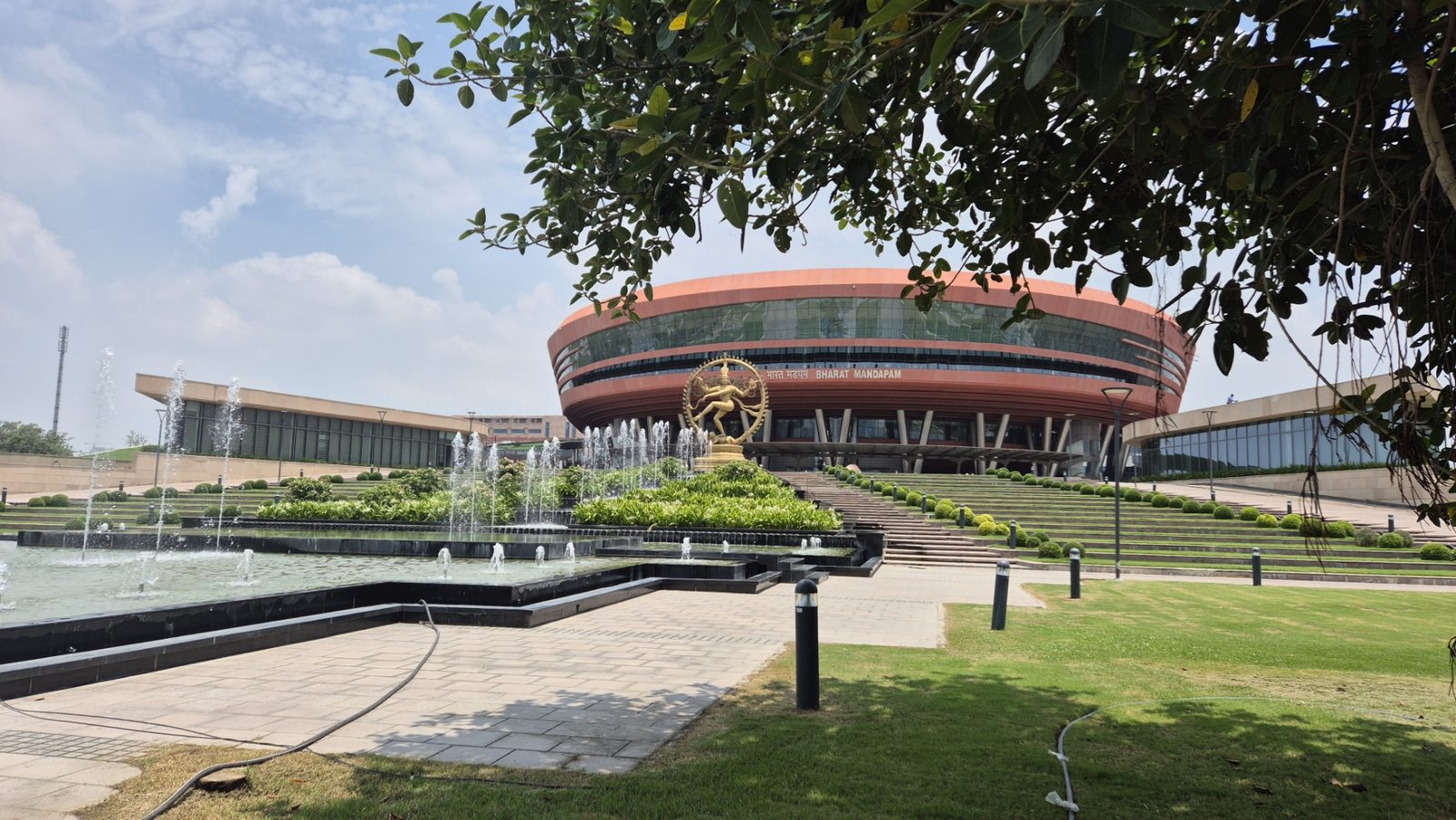
The war between the United States and Iran will sit at the BRICS table in New Delhi this weekend in the most literal sense: Iran's president, the Crown Prince of Abu Dhabi and Saudi Arabia's finance minister are all on the guest list, and their governments are on opposite sides of it.
That is the immediate test for India as chair. The expanded bloc it inherited in 2024 brought in the energy weight of the Gulf and, with it, the Gulf's quarrels — and BRICS decides everything by consensus.
The bind India is in
New Delhi's difficulty is not only that its members disagree. It is that India itself has commitments on both sides of the argument.
India maintains substantial strategic and economic relationships with the United States and with the Gulf states, while chairing a grouping that includes Iran and presents itself as a counterweight to Western-led institutions. Holding those positions simultaneously is the ordinary condition of Indian foreign policy; doing it as the host of a summit that has to produce a signed document is harder.
Harsh V. Pant, vice-president of studies and foreign policy at the Observer Research Foundation, described the moment as a serious diplomatic test, and the wider setting as unforgiving.
"Fragmentation is growing, and great powers are at loggerheads with each other," Pant told the news agency ANI. "Wars are raging across the world from the Middle East to Europe, with no end in sight."
His argument is that this is precisely why India has a role: to steer the platform towards practical outcomes for the Global South at a point when deep divisions, wars in Europe and West Asia, and a faltering multilateral system have left developing countries exposed.
Why the economics are not separable
The war reached India's economy before it reached its diplomacy.
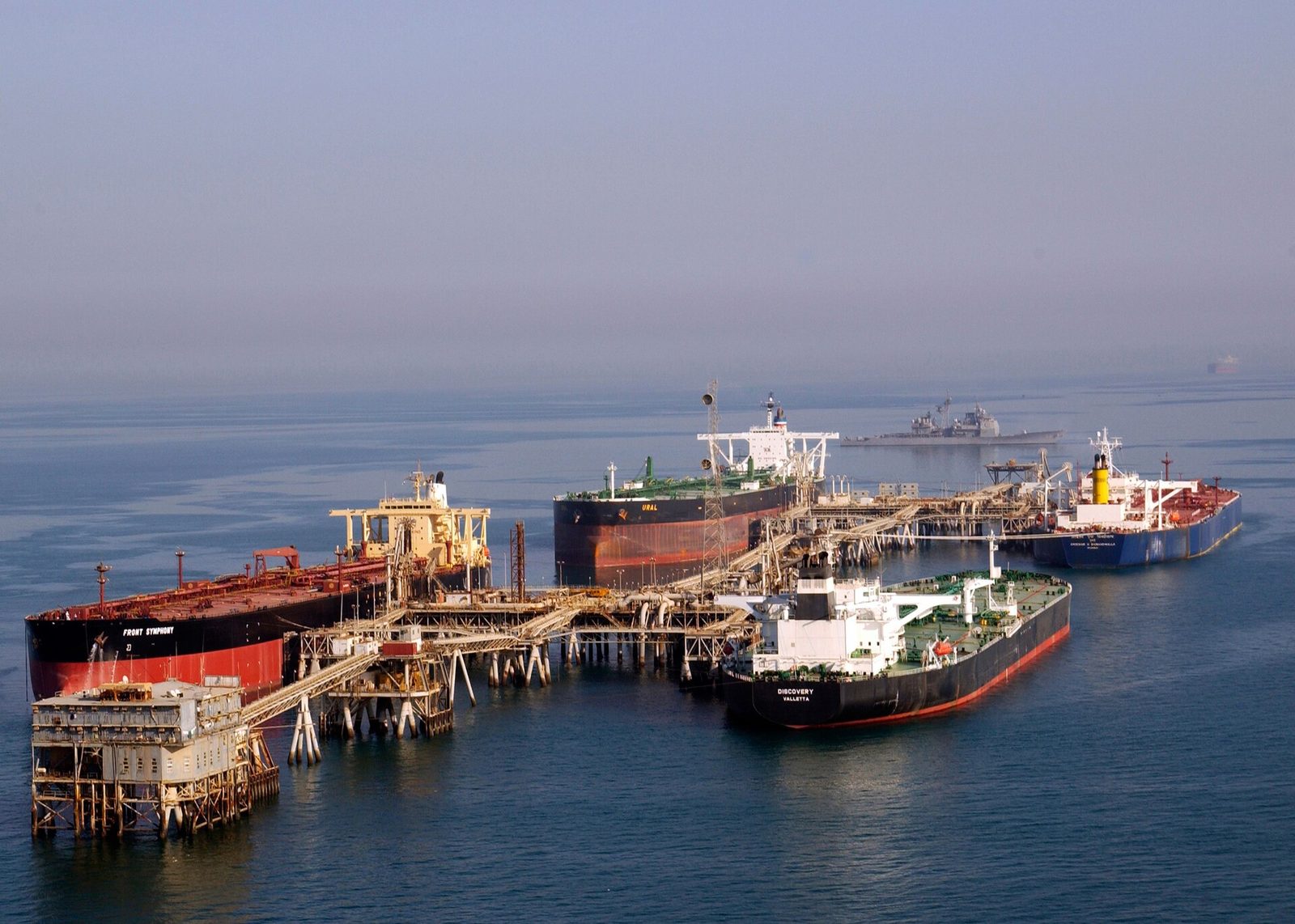
The Strait of Hormuz has become the central vulnerability of the conflict, and its disruption has consequences for energy security, shipping and global oil markets that fall hardest on energy importers. Brent crude passed $100 a barrel this week.
For India the exposure runs through three channels at once: energy supplies, trade links, and a large diaspora across the region. A prolonged disruption raises the import bill, adds to inflationary pressure and complicates the growth outlook — which is why Delhi wants the joint declaration to address the Hormuz crisis and its economic impact rather than treat the war as a political matter to be handled in general terms.
The drafting problem
Getting that into a document is the work the Sherpas of all eleven member countries have been doing through the nights in Delhi.
The war began on 28 February, when the United States and Israel attacked Iran. Tehran has since targeted US bases in the Gulf region, including in the UAE, and the six months since have left the Emiratis and Iranians at odds. Iran has launched attacks against both the UAE and Saudi Arabia, the latter a close US ally.
The bloc has already failed this test once at ministerial level. When BRICS foreign ministers met in New Delhi in May, they produced no joint statement. India issued a chair's statement and an outcome document instead, recording "differing views among some members" and noting that members had stated their "respective national positions". At that meeting Russia's Sergey Lavrov told the Emirati and Iranian ministers to hold direct talks.
Indian officials are now holding separate meetings with UAE and Iranian counterparts to bring them onto common language, with Russian, Brazilian and Egyptian officials working the same problem.
"We would like to have a BRICS' Delhi declaration, which is a consensus document, in all the paragraphs," a senior Indian official said, describing India as optimistic of getting there.
The meetings that come first
Modi's bilateral meetings with Vladimir Putin and with Iranian President Masoud Pezeshkian are both confirmed for Friday, the day before the summit opens — putting India in a room with Tehran before any multilateral session begins. Chinese President Xi Jinping, whose attendance Beijing confirmed on Thursday, is expected to meet Modi on Saturday.
The formal proceedings start with a closed-door session restricted to member countries, titled Inclusive Global Governance and Strengthening Multilateralism. Whatever the drafters have not settled will be settled there, or not at all.
What is actually at stake
A failure to agree language on West Asia would not collapse the summit. India would issue a chair's statement, as it did in May, and the rest of the agenda — food security, climate, energy, supply chains — would proceed.
But it would say something about the expansion. Adding Iran, Saudi Arabia and the UAE in 2024 gave BRICS a claim to represent the Global South that a five-member bloc could not make. It also meant importing into a consensus body a set of rivalries that have no obvious resolution.
Whether eleven countries can write one paragraph about a war three of them are involved in is a narrow question. It is also the clearest available measure of whether the bigger BRICS can still function as a bloc.