Beijing confirms Xi Jinping will attend the Delhi BRICS summit
His first visit to India in seven years, with a delegation roughly double the size of the one he brought to Mamallapuram. A meeting with Modi is expected on Saturday.
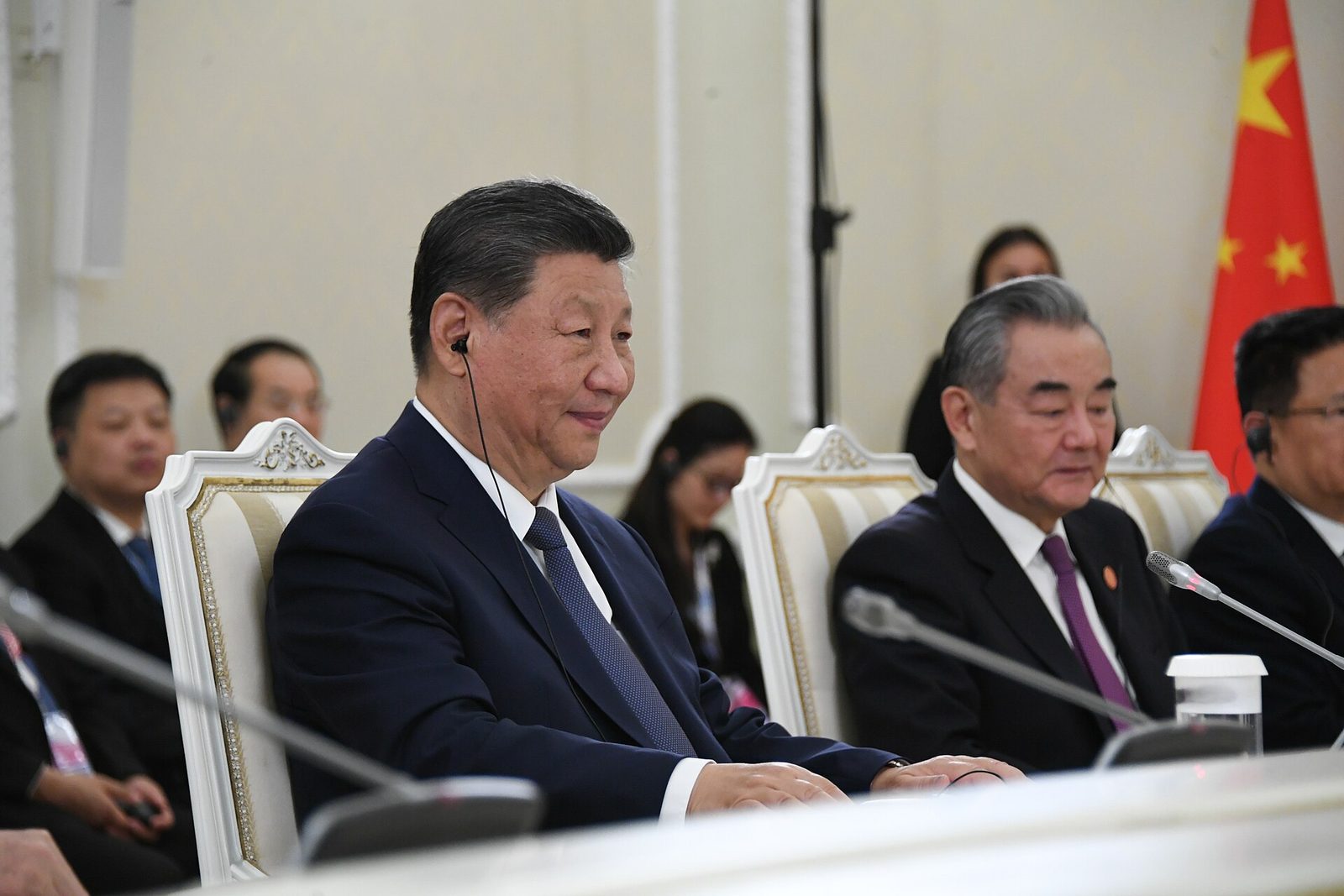
China confirmed on Thursday that President Xi Jinping will travel to New Delhi for the BRICS summit, ending weeks in which his attendance was treated as expected but never stated. It will be his first visit to India in seven years.
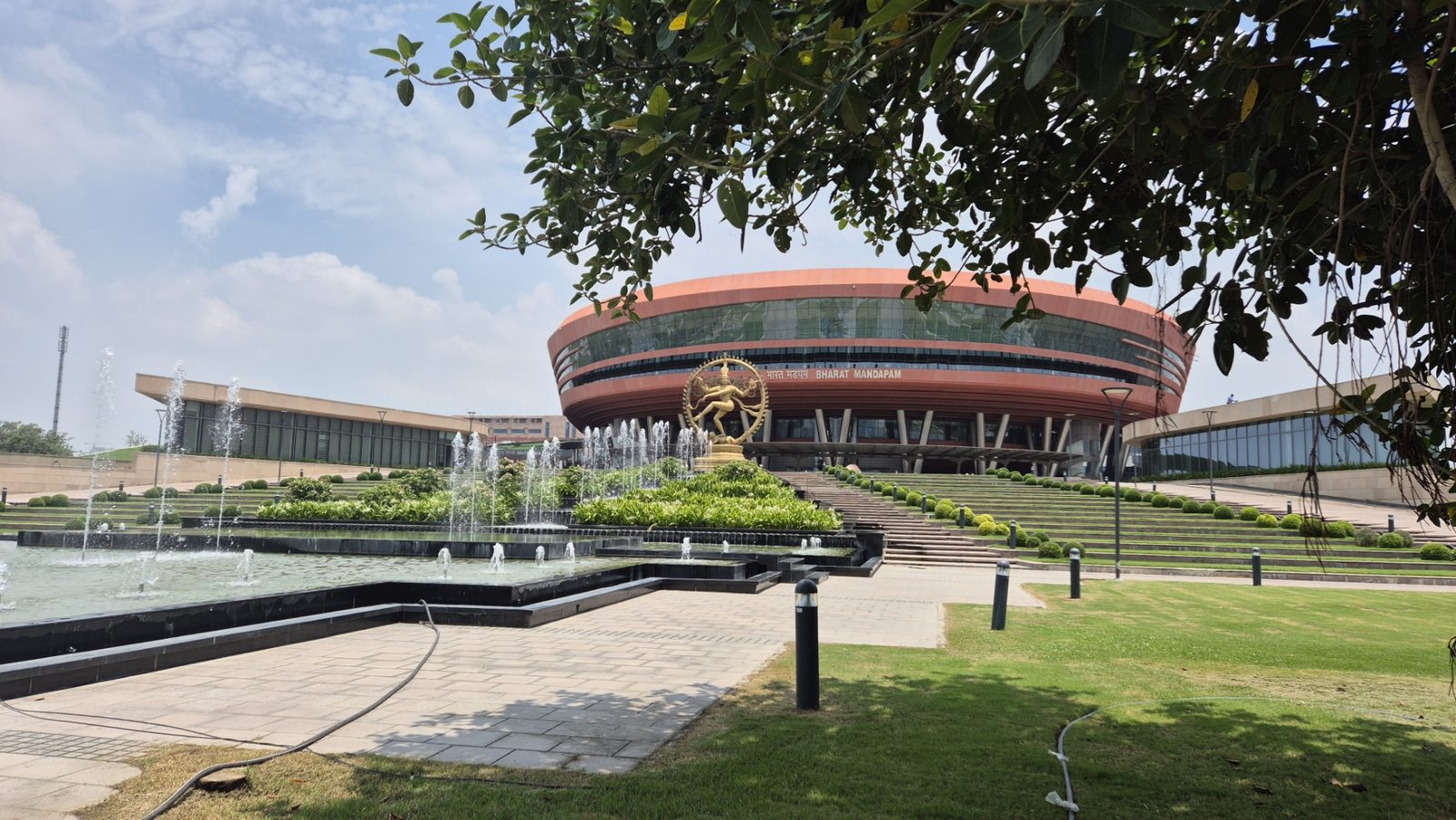
At Modi's invitation, China's foreign ministry said, "President Xi Jinping will attend the 18th BRICS Summit in New Delhi from September 12 to 13". A bilateral meeting between Xi and Modi on the sidelines is widely expected on Saturday — the encounter that will draw more attention in both capitals than anything the eleven-member bloc agrees in the hall.
Seven years, and what happened in them
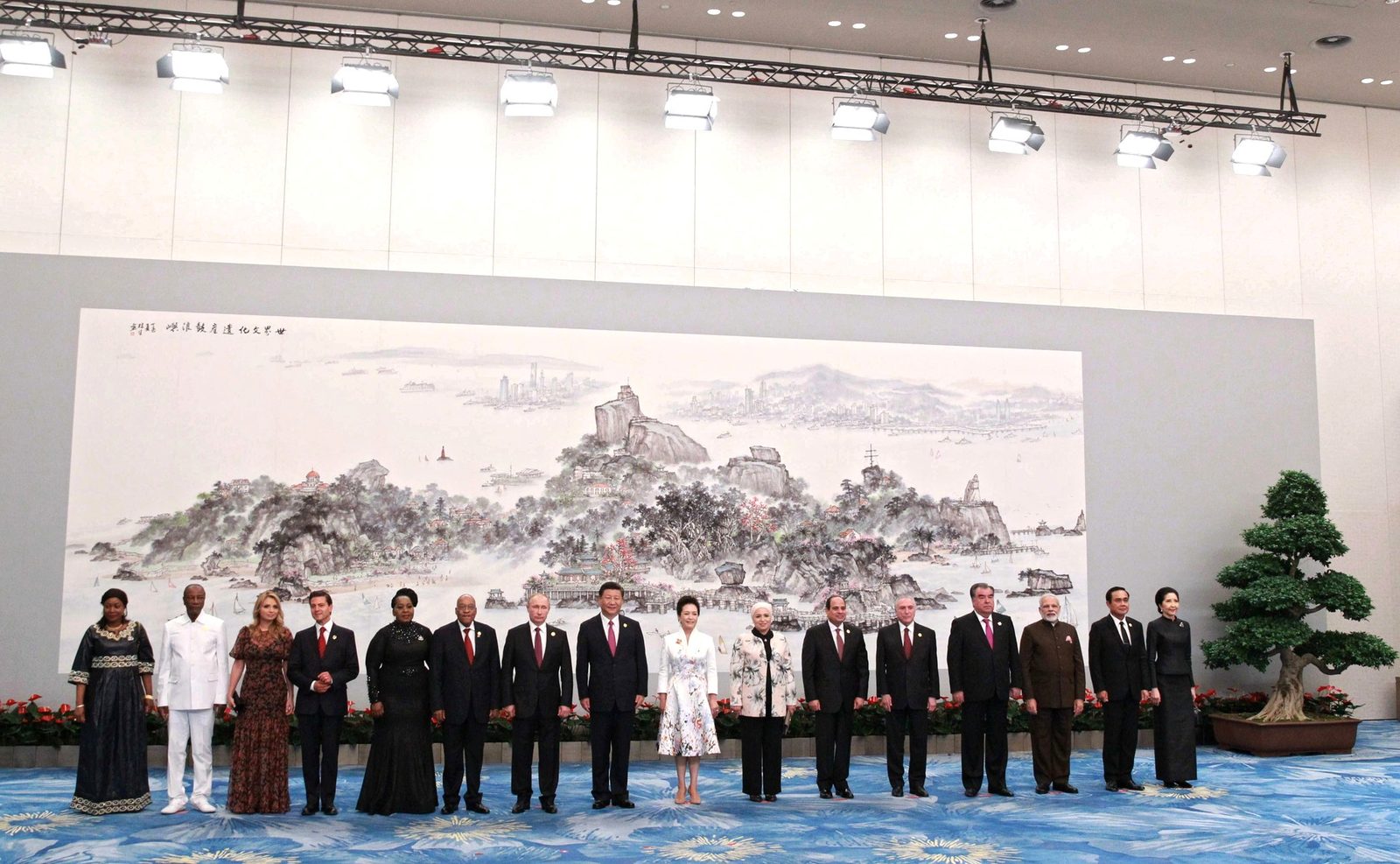
Xi's last visit was the informal summit with Modi at Mamallapuram in 2019. What came after is the reason a routine multilateral trip is being read as a bilateral event.
The relationship has been rebuilt in stages since, through official channels rather than leaders' meetings. The most recent was the 25th round of Special Representative talks, held in Beijing on 28 August between India's National Security Adviser, Ajit Doval, and China's Foreign Minister, Wang Yi — the mechanism the two countries use for the boundary question and, increasingly, for everything adjacent to it.
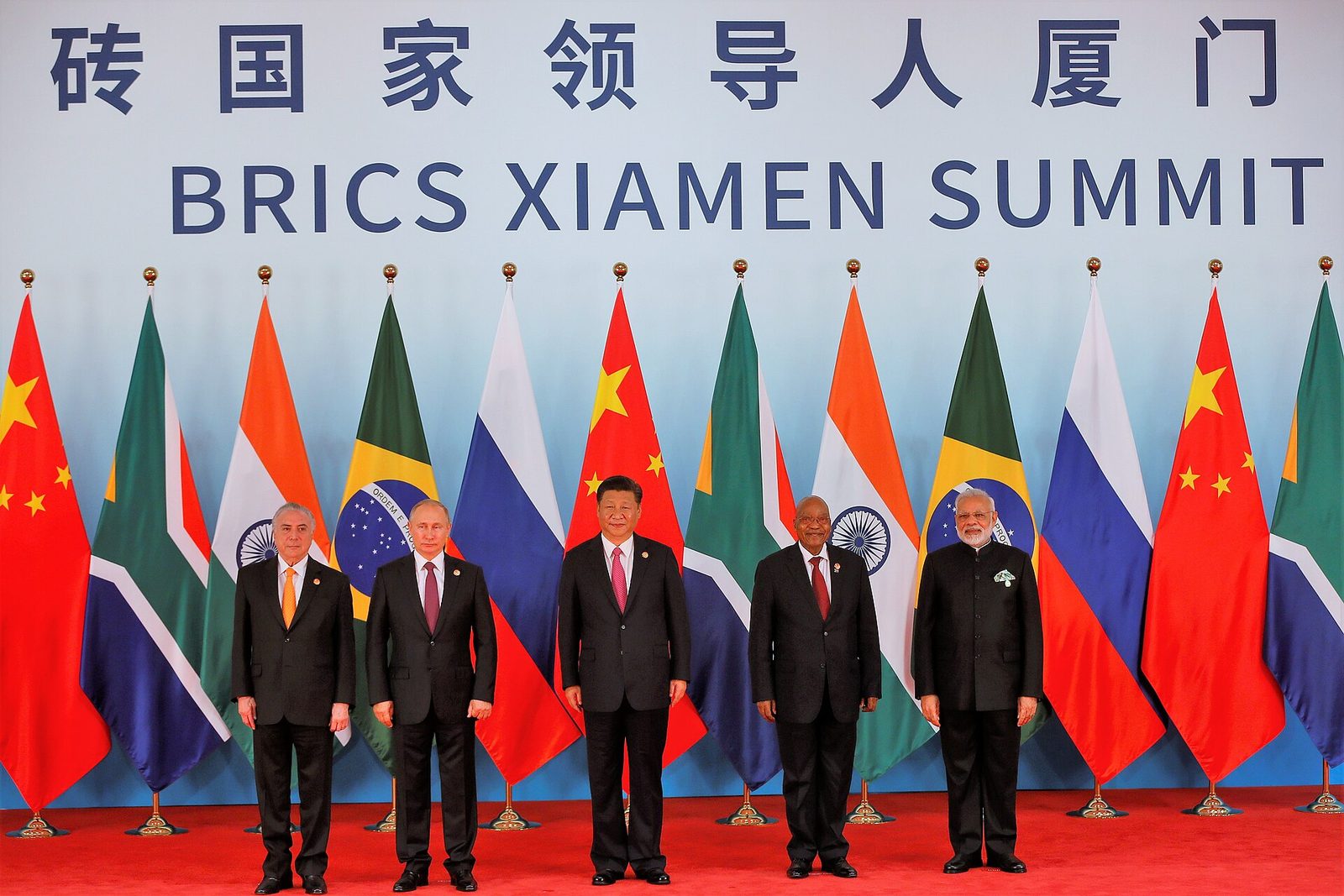
Xi also skipped the previous BRICS summit in Rio de Janeiro, where Putin took part remotely. That both will now be physically present in New Delhi is the detail Indian officials keep returning to.
"Participation of leaders like Xi, Putin and others in the forthcoming summit in New Delhi is itself a sign of big success," said Dammu Ravi, India's former BRICS Sherpa and a former secretary for economic relations at the Ministry of External Affairs — more so, he added, "than concrete outcomes or deliverables".
That is a candid statement of what a chair country measures. Attendance is the deliverable; the communiqué is negotiated afterwards.
The size of the delegation
One number gives a sense of the scale of the visit. Xi's delegation is expected to run to around 400 officials, roughly double the contingent that travelled with him in 2019.
Delhi's arrangements have been built around it. The Chinese and Russian presidents will land at the Air Force Station at Palam before moving to hotels in Chanakyapuri. Security teams from both countries are already at those hotels, carrying their own weapons and equipment, with personnel positioned from the floors the leaders will occupy through to the rooftops and ground floors. The Delhi Police Special Cell has been given charge of the Chinese president's security. Officials expect Russia and China to bring the largest motorcades of any visiting delegation, with some of their own vehicles flown in.
Xi and Belarusian President Alexander Lukashenko will stay at the same hotel. Putin is booked into a hotel alongside VIP dignitaries from Bangladesh. Iranian President Masoud Pezeshkian has a hotel to himself.
What a bilateral could cover
Neither government has published an agenda, and Indian officials have been careful not to raise expectations beyond the meeting itself. But the commercial questions between the two countries are not abstract.
The sidelines are being described in New Delhi as an opportunity to take up Chinese restrictions on technology imports and investment — an issue that has already bitten. Technology-transfer restrictions imposed by Beijing recently forced the JSW Group to pause a 50 GWh lithium-ion cell factory in India, and Indian manufacturers across several sectors are exposed to similar curbs.
There is a broader frame around it. India and China are, at the same time, the two largest economies in a bloc that presents itself as a multipolar alternative to Western-led institutions, and each other's most direct economic competitor within it. China alone accounts for a little over 60% of the expanded bloc's GDP. Any BRICS consensus therefore runs through a relationship that has spent the past seven years being repaired rather than deepened.
The summit around the meeting
The bilateral will happen inside a summit with its own problems. The Sherpas of all eleven member countries are still working on the joint declaration, where the sticking point is the language on the war in West Asia — Iran, the UAE and Saudi Arabia will all be at the table, and the last ministerial meeting in May ended without a joint statement.
Modi's other confirmed bilateral meetings are with Putin and Pezeshkian, both on Friday, the day before the summit opens. Putin's attendance was confirmed earlier; it is his second visit to India in under a year, after the December 2025 annual bilateral summit.
For Beijing, sending Xi to New Delhi is a signal about where it wants the grouping — and its relationship with India — to sit at a moment when Washington has threatened tariffs over BRICS' currency ambitions. For Delhi, having him in the room is the point. Whether anything is agreed between the two leaders beyond the fact of meeting is a question for Saturday afternoon.