John Lewis Partnership half-year loss widens to £124m
Waitrose grew sales 4% while the department stores fell 2%. The chair wants business rates reformed in the chancellor’s October budget.
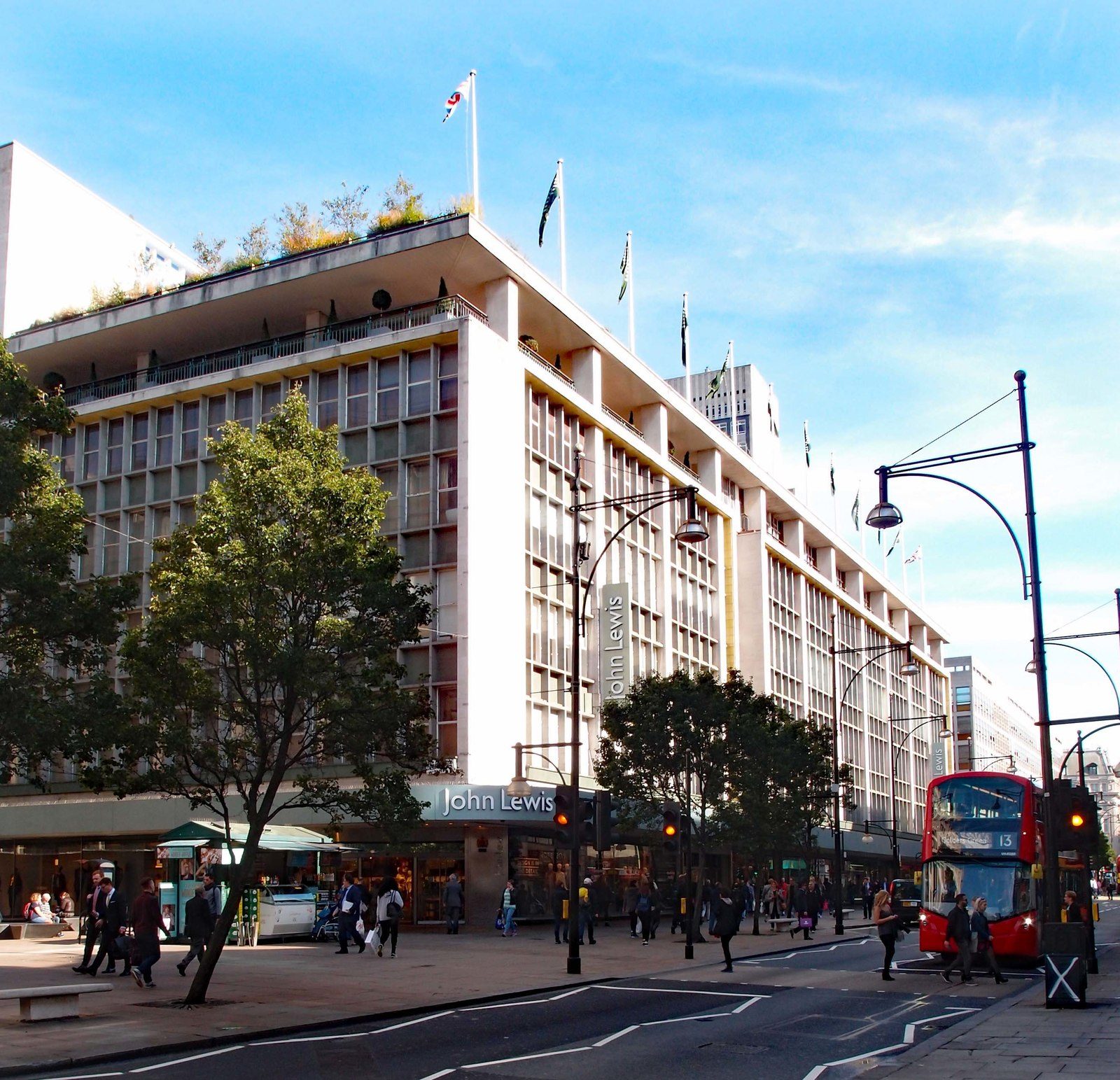
The John Lewis Partnership lost £124m before tax in the six months to 1 August, against £88m over the same stretch of 2025 — a deterioration of more than 40%, driven by households declining to buy precisely the things a department store sells.
Sales were not the problem. Group revenue rose 2% to £6.3bn, and Waitrose grew sales 4%. The department store chain fell 2% — and it is the second of those numbers that explains the loss, because sofas, beds and washing machines are the things people postpone when they feel uncertain about money.
A tougher market than planned for
Jason Tarry, the chair of the partnership, said the first half had been a "tougher market than we had planned for".
"Customers have been more cautious about spending, particularly when they replace the bigger-ticket things in their homes," he said. He put that down to the cost of borrowing, the cost of living and the unsettling effect of wars abroad.
Costs moved against the business at the same time. Higher employer national insurance contributions raised the bill for a workforce of around 69,000. So did the summer's heatwaves — Tom Denyard, who runs Waitrose, said the heat had brought "some challenges with refrigeration and freezing", and the chain is now investing in more resilient equipment. Keeping food cold is a fixed cost that rises with the temperature, and it rose across a supermarket estate of more than 300 shops.
The group runs 36 department stores and more than 300 supermarkets today. That is a smaller estate than it had in 2020: 16 department stores have gone since the pandemic, along with at least 20 Waitrose branches, and thousands of jobs are being removed.
Where the strain is concentrated
The composition of John Lewis's range is what makes this cycle awkward for it specifically.
John Lewis is "particularly exposed to big-ticket, deferrable categories like home, furniture and electricals", said Robyn Duffy, an analyst at the consultancy RSM UK — "exactly where these consumers are choosing to cut back or delay spending". She judged the business vulnerable heading into the second half.
Deferrable is the operative word. A shopper who decides not to replace a sofa this year has not stopped being a customer; the sale is simply moved into a future the retailer cannot bank. Waitrose, selling food, does not have that problem, which is why the supermarket arm is growing while the department stores shrink.
One overdue piece of housekeeping is under way. The two chains still run separate loyalty cards, each offering free treats and tailored rewards, and the partnership says work has begun on a single scheme covering both — a duplication that has persisted for years in a group whose customers routinely shop in each.
A turnaround with a change of management
The results land during a change at the top of the department store arm. Peter Ruis, who ran it, said last month that he would step down after less than three years. Will Kernan, who used to run the fashion chain River Island, has taken the role.
That follows a more encouraging year. In March the partnership paid its staff — whom it calls partners, because they own the business — a bonus of 2% of salary, the first in four years, after underlying profit rose 6%. The pot came to £35m, worth roughly an extra week's pay each.
Whether that repeats is open. The company said it was too early to say, though Tarry said he was "confident we will be able to make a profit" over the full year. That is a plausible claim rather than an optimistic one, because retailers of this kind make most of their money in the half that contains Christmas.
The bill the chair wants cut
Tarry used the results to press the chancellor, John Healey, ahead of his first budget in October, and he was specific about which tax he means.
"We want the government to deliver against their manifesto, which is to reform business rates," he said. "It is the biggest business tax that we face, and in some locations it is bigger than our rent bill."
That last detail is the argument in miniature. A property tax which can exceed the rent on the same property is a heavy fixed charge on any business whose model requires large shops on high streets — precisely the model John Lewis is trying to defend.
The field it is defending has emptied out. Debenhams and Beales are gone, leaving John Lewis among the last national department store chains in Britain, and Harvey Nichols came out of administration this summer under Mike Ashley, the Sports Direct owner, who had said the Knightsbridge store was in a "death spiral".
Surviving as the last chain standing has commercial value, if the survivor reaches the other side in reasonable health. A £124m half-year loss, an employee-owned balance sheet and a Christmas trading period conducted against high interest rates make that a narrower proposition than it was in March.