Supreme Court says only it can order FIRs over the July protests
The five-member inquiry panel may examine allegations and recommend, but not direct criminal investigations. The court made an exception for a case involving a 14-year-old.
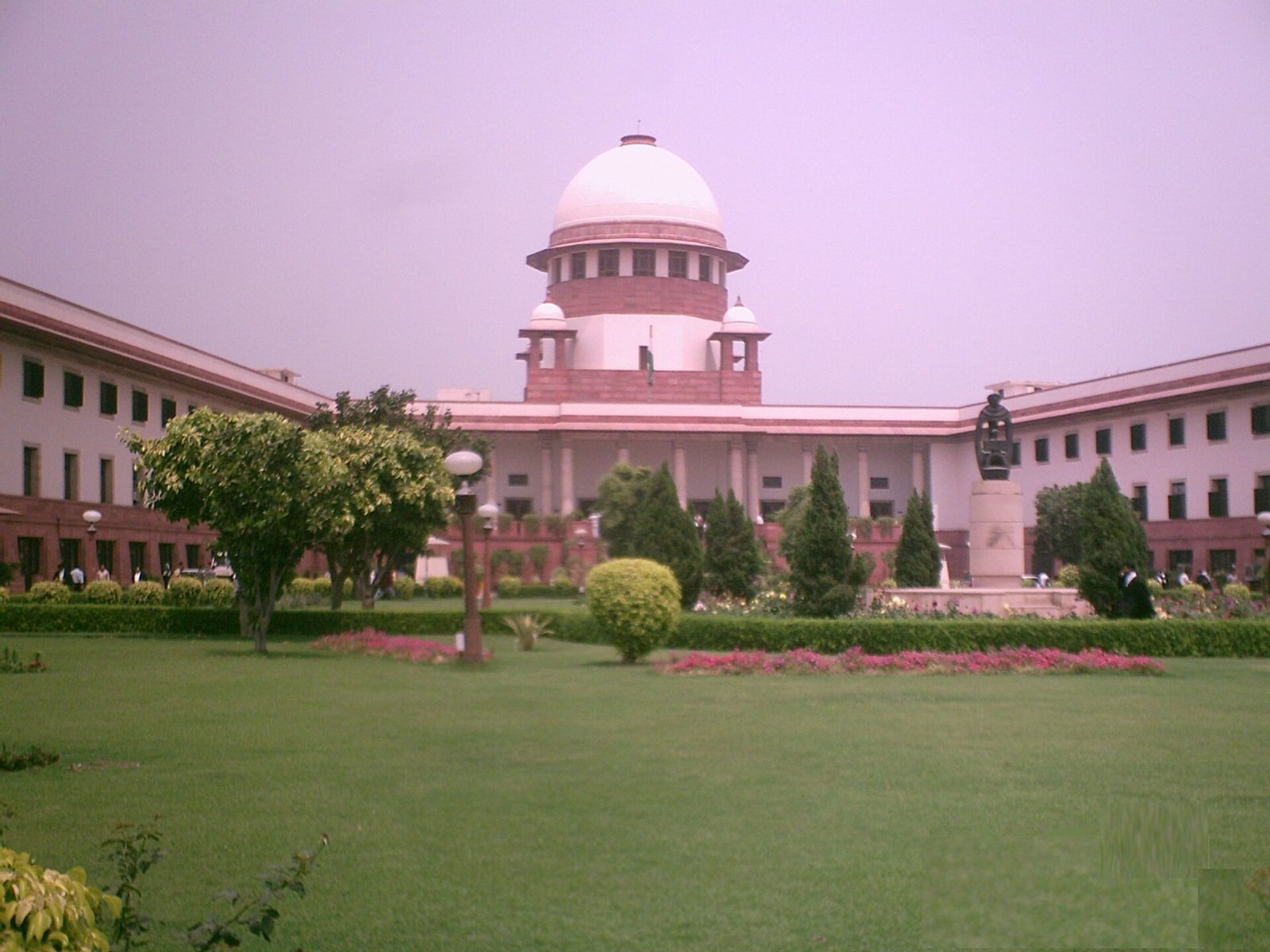
The Supreme Court ruled on Thursday that the five-member high-powered enquiry committee examining the July protests cannot order the registration of FIRs, holding that the power to direct a criminal investigation rests with the court alone.
Chief Justice Surya Kant, sitting with Justices Joymalya Bagchi and V Mohana, said the panel may look into what is alleged, work out who the victims are and recommend what should follow — but any decision to open a criminal investigation must come from the Supreme Court. "The committee has to work under the direct supervision of this court", the bench said.
Why the boundary matters
The clarification is significant because of what the court did on 1 September. Invoking Article 142, which lets it pass whatever order is needed to do complete justice, the court closed off the criminal proceedings arising from the protests: FIRs registered between 20 and 25 July were not to be pursued or investigated and were to be treated as closed, and no fresh FIRs were to be registered over those incidents.
Justice R Subhash Reddy, who retired from the Supreme Court, chairs the committee. It was created to weigh two irreconcilable accounts of the student protest of 20 July: that police used excessive force, and that officers were attacked and public property destroyed.
Having shut the ordinary criminal route, the court has now confirmed that the panel it created cannot reopen it either. Only the court can.
How the panel will work
The bench agreed to speed the proceedings up and said it would "iron out" whatever creases emerge along the way. The panel may brief its own amicus or lawyer to appear for it when it comes before the court.
It may also advertise its work, take suggestions and objections from the public, and run a helpline and similar channels for witnesses too vulnerable to come to it directly. It can receive documentary evidence, representations and anonymous complaints, a provision aimed at protecting people who come forward.
Solicitor General Tushar Mehta, appearing for the Centre and Delhi Police, told the court the committee's first meeting was scheduled for 15 September.
The court rejected suggestions that the panel's composition be changed. "We cannot reconstitute a committee like this", the bench said, noting that it had constituted the panel and would not remake it before it had begun work, though concerns about its functioning could be raised before the court.
The exception the court carved out
One set of cases was treated differently. The bench was pointed about criminal cases already registered over alleged intimidation, assault and violence against minors and other victims, and it refused to let those wait for the inquiry to finish.
It directed Delhi Police to act urgently on an FIR at Parliament Street police station concerning allegations that a 14-year-old girl was threatened, harassed and intimidated in connection with the protests. The girl now lives in Uttar Pradesh, and the court directed that she and her family be given police protection and safeguards by the Uttar Pradesh police.
"We would like immediate action to be taken on that FIR and a report to be filed", the bench said. Allegations that a child had been intimidated could not be made to await the outcome of the inquiry while those accused remained free. People trying "to browbeat a child and their family so that they do not pursue criminal proceedings" had to be acted upon, the court said, adding: "a child is a child".
The court said the account of a 14-year-old required independent verification, and that if it was found to be correct the allegations had to be investigated and taken to their logical conclusion.
The intervention came against the background of a criminal case against a right-wing influencer, Swatantra Bhardwaj, arrested after allegedly boasting in an interview of having cracked the skull of a student activist's father.
Two tracks, running at different speeds
What the court has built is deliberately lopsided. The general run of protest cases is frozen: no investigation, no new FIRs, everything routed through a panel that can recommend but not compel. The cases involving children are not frozen at all — there the court wants an FIR acted on now, a report filed, and protection extended across a state boundary to a family that has moved away.
The reasoning is that an inquiry takes months, and a witness of fourteen who is being leaned on in the meantime may simply stop cooperating. The court said the girl's account needed independent verification, and that if it stood up the allegations had to be pursued to a conclusion. It declined to let that wait behind a process it had itself designed to be slow and deliberate.
Sources
- Hindustan Times — Bench composition, ruling on FIR powers, Article 142 order, directions on the minor's case