Centre defers clearance for limestone mine near bustard habitat
An expert panel has held back approval for a 256-hectare mine in Jaisalmer, 1.77km from a priority area for a bird with about 130 left in the wild.
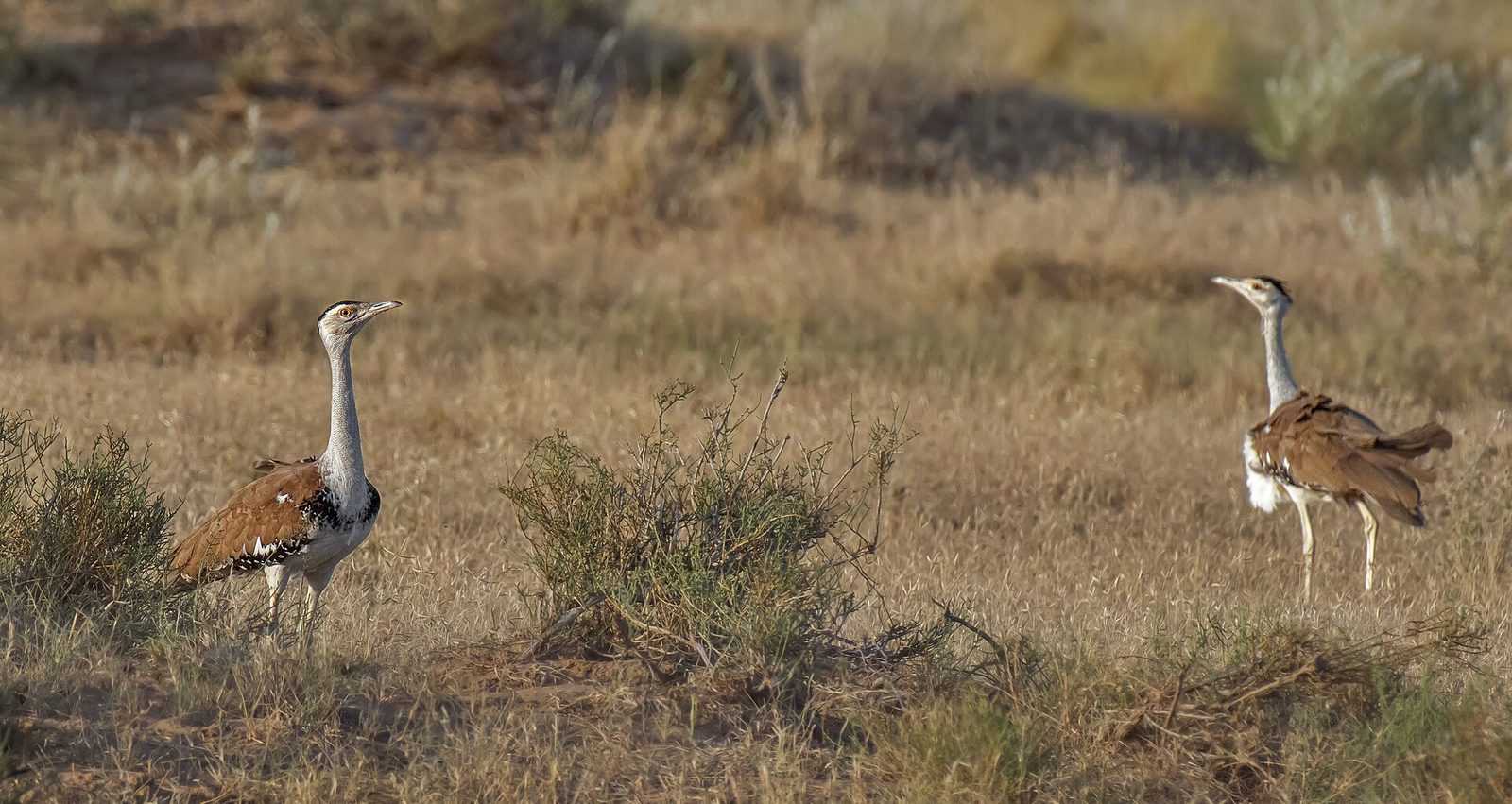
The Centre has deferred environmental clearance for a limestone mine proposed near a Great Indian Bustard habitat at Ramgarh in Rajasthan's Jaisalmer district — a decision that matters because roughly 130 of the birds survive in the wild in India, and the species is classified as critically endangered.
The clearance for a Dalmia Bharat Green Vision Limited limestone mine has been held back by an expert panel of the Ministry of Environment, Forest and Climate Change, which wants the mining plan rewritten to match the production capacity that was actually approved.
A gap in the paperwork
The discrepancy the panel found is not a small one. The project proposes to extract 5.4 million tonnes of limestone a year from a 256-hectare mine. But the Indian Bureau of Mines had approved a mining plan for only 2.99 million tonnes a year, and it was on that basis that the Environment Ministry issued its Terms of Reference — the preliminary approval that allows an application to proceed.
The panel noted that the approved mining plan was not in "consonance with the Terms of Reference" and directed that the information be revised. In effect the company applied to dig at nearly twice the rate its own approved plan allowed.
Minutes of the panel's 24 August meeting add two further conditions: a detailed plan demonstrating that blasting will not put the area's gas and water pipelines at risk, and compliance with what the Wildlife Institute of India has recommended.
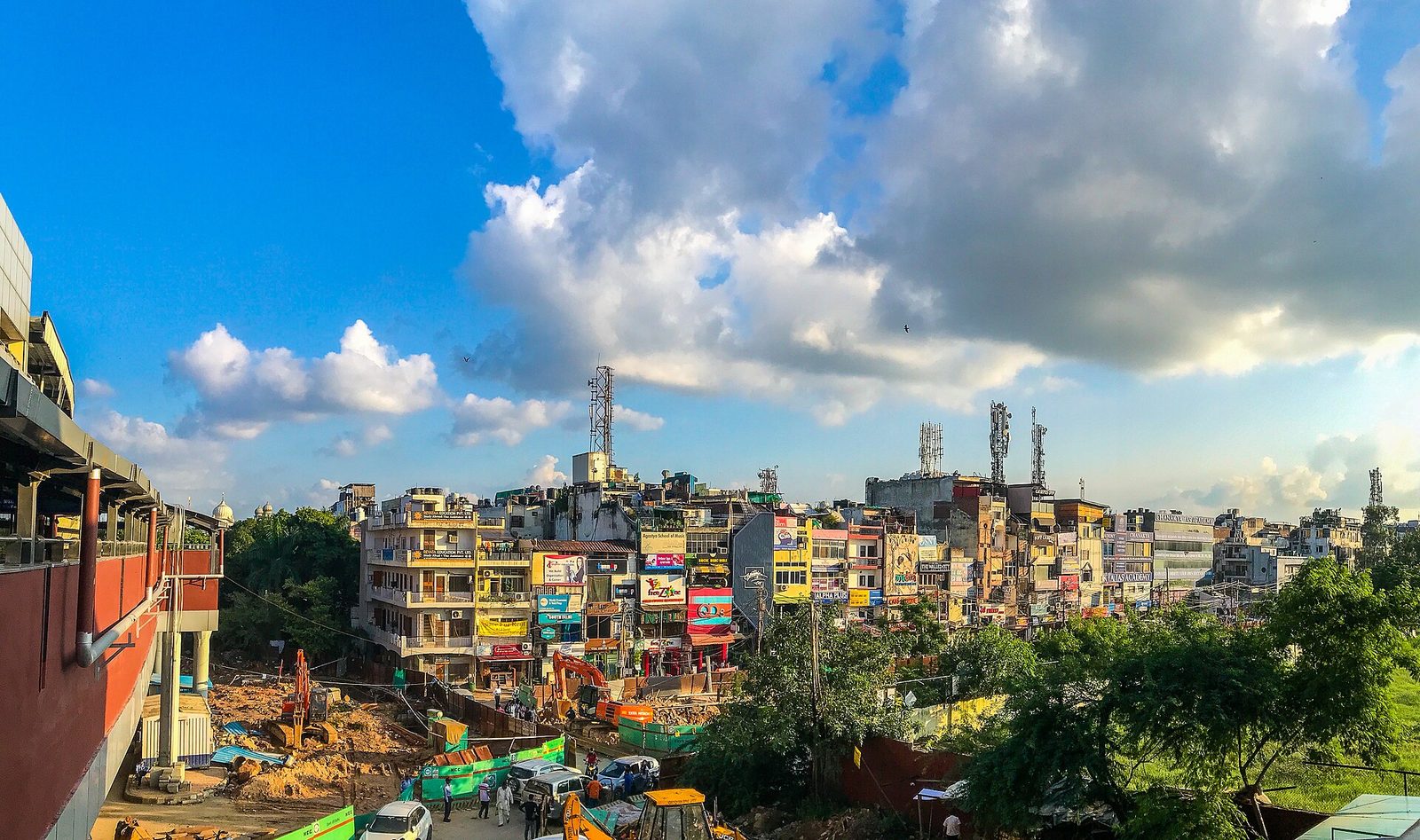
A cement plant is proposed beside the mining block to consume what is dug out. Limestone of Steel Melting Shop grade would go to the steel industry, travelling at times by road along National Highway-68 to the railway station at Sanu.
How close is close
The distances are the heart of the dispute. According to official and company-supplied information, the priority conservation area for the Great Indian Bustard lies about 1.77km from the proposed mine.
The Wildlife Institute of India was commissioned by the company itself to study what the mine would do, directly and indirectly, to the ecology around it, bustard habitat included. The institute concluded that the Ramgarh mine and its direct impact zone "lie outside the priority GIB area… and does not constitute critical GIB habitat", and that "mining operations and GIB conservation can coexist in this area".
That assessment was commissioned by the company whose project it evaluates, which does not make it wrong, but is a fact a reader should have.
What is at stake
The Great Indian Bustard is among the most endangered birds in the world, with about 130 left in the wild. A separate report has found the population stable but surviving in only 16 per cent of its Thar habitat — a bird that has already lost most of the range it once held.
It is a large, ground-nesting bird of open desert grassland, which is precisely the terrain that suits mining, cement production and the power lines that follow industry into the Thar. Its vulnerability is not to a single project but to the accumulation of them. No one mine ends a species; a landscape converted piece by piece can.
Deferred, not refused
Nothing has been rejected. The panel has held the clearance back and asked for a revised plan, a blasting study and adherence to the wildlife institute's recommendations. A company that resubmits at the approved 2.99 million tonnes, with the pipeline safeguards documented, has met what has been asked of it.
There is also a sequencing point here that applies well beyond this mine. Terms of Reference are granted early, on the strength of a stated plan; the environmental appraisal comes later. If the plan presented at the second stage is larger than the one that earned the first, the appraisal is being asked to assess a project that was never scoped. The panel has declined to do that.
What the deferral does is force the numbers to agree before the excavators arrive. The mine will be assessed on a plan the Bureau of Mines has actually approved, rather than one nearly twice its size — and the distance between a cement operation and the last stronghold of a bird with 130 survivors will be measured against that.
Sources
- The Indian Express — Expert panel decision, mining plan discrepancy, WII findings, distances