Four plains districts account for 85% of Uttarakhand voter deletions
Udham Singh Nagar alone filed 43,878 of the state's 1,30,382 deletion requests. The BJP points to migration; the Congress points to who lives there.
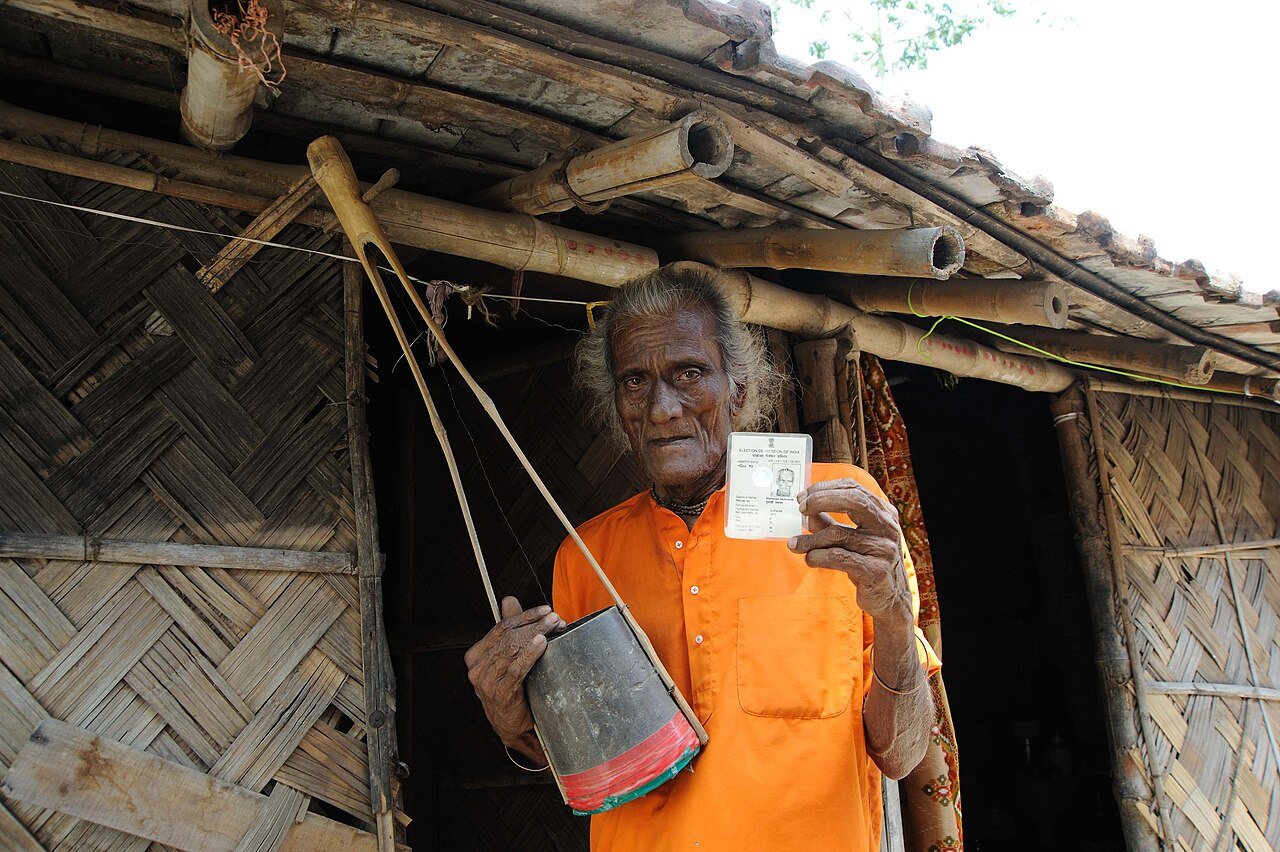
Four districts in Uttarakhand's plains - Udham Singh Nagar, Haridwar, Dehradun and Nainital - have between them produced more than 85 per cent of every request to strike a name off the state's electoral rolls. The hills, which make up most of Uttarakhand, account for the remainder.
In all, 1,30,382 Form-7 applications were filed during the claims-and-objections period of the SIR, the roll revision now under way. Udham Singh Nagar alone filed 43,878 of them. Haridwar produced 29,369, Dehradun 19,402 and Nainital 18,301.
The contrast with the hills
It is the comparison that gives the figure its force. Move up into the hill districts and the numbers fall away to a fraction of what the plains recorded.
In Pauri Garhwal the figure is 5,424. Pithoragarh returned 3,044 and Almora 2,999; Uttarkashi 2,109; Champawat 1,723; Chamoli 1,702; Tehri Garhwal 1,431. The smallest counts are in Bageshwar, at 618, and Rudraprayag, at 382 — a whole district producing fewer applications than a large plains town might file in an afternoon.
Two explanations
The BJP's account is demographic movement. Khajan Dass, Uttarakhand's Minister for Minority Affairs and the party's MLA from Dehradun, attributed the pattern principally to migration and to people crossing the state's borders.
"These are the big cities of our state", Dass said of Dehradun, Haridwar, Udham Singh Nagar and Nainital. "There has been a lot of movement of people here." People move, he argued, while their names stay behind on a roll somewhere else - a function of migration and of where Uttarakhand's borders run. "The biggest problem here is people coming and going", he said.
He rejected the suggestion that the concentration had anything to do with the state's minority population. "It is not that any minority is being targeted", he said.
The Congress reads the same map differently. Suryakant Dhasama, senior vice-president of the Uttarakhand Pradesh Congress Committee, said the party had no objection to the revision as such, but did object to the way the deletions were being handled.
"Our biggest objection is the intention of the Election Commission", Dhasama said, alleging the poll panel was acting in the BJP's interests. Those four districts, he argued, contain most of the seats with substantial Muslim, minority, poor, Scheduled Caste and Scheduled Tribe populations, and that is why they are the ones being worked over.
What the numbers can and cannot settle
Both explanations fit the same data, which is the difficulty. These are the state's largest and busiest districts, lying on the plains and along the frontier with Uttar Pradesh, so they would generate more of everything an electoral roll records, churn included.
They are also the districts with the largest minority populations, for the same geographic reasons.
A Form-7 is an application to remove a name from the roll, not the removal itself. It can be filed because a voter has died, moved, or is registered twice — or because someone has objected to their presence on the roll. The distribution of the applications, on its own, does not tell you which of those reasons is driving them.
What would distinguish them is the outcome: how many of the 1,30,382 applications are accepted, on what grounds, and where the accepted ones cluster. Until the Election Commission publishes that, the argument between Dass and Dhasama rests on the same set of district totals, read in opposite directions.
Why a deletion form carries weight
The stakes are higher than the paperwork suggests. A name removed from an electoral roll is a vote that cannot be cast, and the burden of noticing and contesting a deletion falls on the individual voter - who may not learn of it until polling day.
That asymmetry is why the geography of these applications is being argued over rather than filed away. In a state where the hill districts have produced a few hundred applications each and one plains district has produced nearly forty-four thousand, the pattern itself becomes the political question, ahead of any finding about whether the deletions were justified.
Neither party disputes the totals. What they dispute is what produced them: a mobile population in the state's largest towns, or a revision falling hardest on particular voters. The Commission holds the only evidence that would settle it, and has not yet published it.
Sources
- The Indian Express — District-wise Form-7 totals, BJP and Congress responses