Modi and Xi say differences should not become disputes
The two leaders committed to a fair, reasonable and mutually acceptable resolution of the boundary question. Modi set out three mutuals; Xi said the countries are partners rather than rivals.
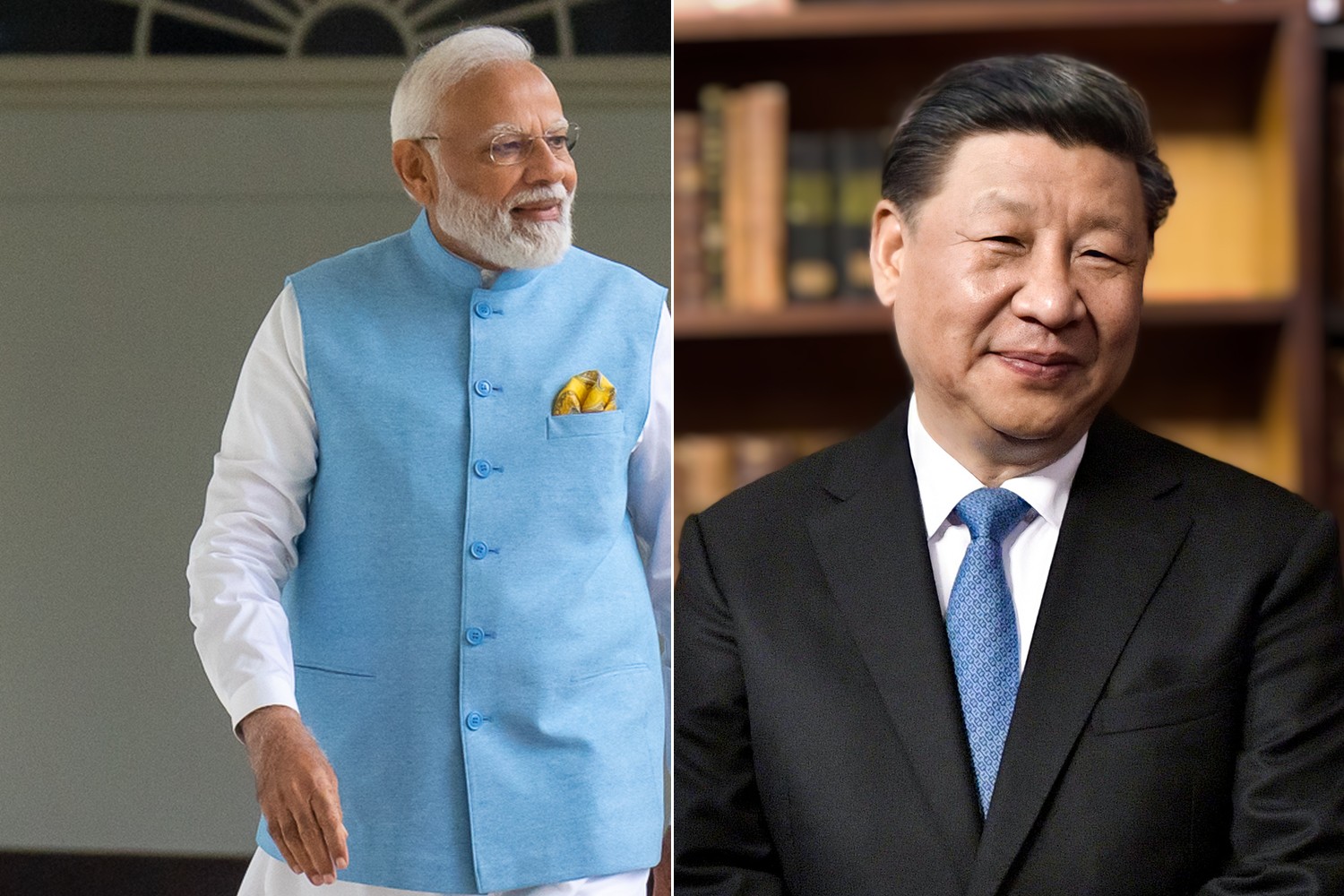
Prime Minister Narendra Modi and Chinese President Xi Jinping said on Saturday that "differences should not become disputes", and committed themselves to "a fair, reasonable, and mutually acceptable resolution of the boundary question".
They were holding bilateral talks in New Delhi on the sidelines of the BRICS summit — their first meeting in India in seven years, and two years after their meeting in Kazan led to the disengagement of troops along the Line of Actual Control in eastern Ladakh.
What each side put on the record
The two readouts emphasise different things, which is itself informative.
According to the Ministry of External Affairs, Modi said that "both sides must be guided by three mutuals: mutual respect, mutual sensitivity and mutual interest". Those three have been part of Delhi's stated redlines over the past five years.
On the border he was direct. "Peace and tranquility in the border areas remains an essential basis for the continued development of bilateral relations," the MEA quoted him as saying, and he underlined the need for both sides to observe existing agreements and understandings on border-related issues.
The Chinese foreign ministry statement quoted Xi telling Modi that "China and India are partners rather than rivals", providing "development opportunities rather than threats to each other".
Xi said the two sides should "address each other's economic and trade concerns in a balanced way", and promote steady development of the economic relationship.
The joint formulation
The MEA said the two leaders "expressed commitment to a fair, reasonable, and mutually acceptable resolution of the boundary question", proceeding from the political perspective of the overall relationship and the long-term interests of the two peoples.
Both also said the countries should take a strategic and long-term view of the relationship.
That phrasing does not resolve anything. What it does is restate a framework both governments can sign, which is what a first leaders' meeting on Indian soil in seven years is for.
The machinery behind it
The talks rest on work done last month, when National Security Adviser Ajit Doval and Chinese Foreign Minister Wang Yi — the Special Representatives for the boundary talks — met in Beijing.
That meeting produced eight outcomes, including a decision to advance discussions on an early and substantial harvest of boundary delimitation and border management.
The Special Representatives also agreed on two new border military hotlines, in the eastern and middle sectors; two new meeting points for military commander-level meetings; and on holding the trans-border river meeting.
Hotlines and meeting points are the unglamorous part of the agreement, and the part that operates between the commanders on the ground rather than between capitals.
Xi on what has been rebuilt
Xi set out his reading of the recovery. Institutional exchanges have gradually resumed, he said, the cooperation list has continued to lengthen, and bilateral trade has hit a new high.
"This situation has not come easily and needs to be cherished," he said, according to the Chinese foreign ministry.
He also placed the relationship in a wider frame: the two countries have different national realities and should draw on each other's strengths, and as the world's two most populous countries and important members of the Global South they carry responsibilities in a turbulent international landscape.
People and trade
The MEA said the leaders took note of progress in people-to-people ties and underscored the need to promote cultural exchanges, business linkages and greater mobility.
On economic and trade relations, they underlined the need to address each other's concerns — the same formulation Xi used, which suggests it was negotiated rather than volunteered.
The two also took part in a joint tree plantation at Bharat Mandapam during the summit.
Where this leaves it
Six years after the incursions that sent the relationship to its lowest point in decades, the two governments have agreed a form of words about the boundary and a set of mechanisms for managing it. The boundary itself is not settled, and neither readout claims it is.