Iraq confirms the Saudi pipeline drones came from its territory
Baghdad has closed three border crossings with Iran while it investigates, and has approved an Iranian request for a joint inquiry. Launch platforms were found in Maysan province.

Iraq has closed three of its border crossings with Iran while investigating the drone attacks on Saudi Arabia's East-West oil pipeline, which it confirms were launched from Iraqi territory.
The temporary closures followed the discovery of drone launch sites in the country, an Iraqi security source told Al Jazeera on Saturday.
Which crossings, and why
Al Jazeera's Jack Hewson, reporting from Baghdad, listed the closed crossings as Shalamcheh in Basra province, al-Shib in Maysan province and Mandali in Diyala province.
He said Iraq had primarily ordered the closures over fears that those responsible for the attacks could flee to Iran.
That is the operational logic: the launch sites are in southern Iraq, the border with Iran is close, and closing the crossings is the fastest way to narrow the routes out.
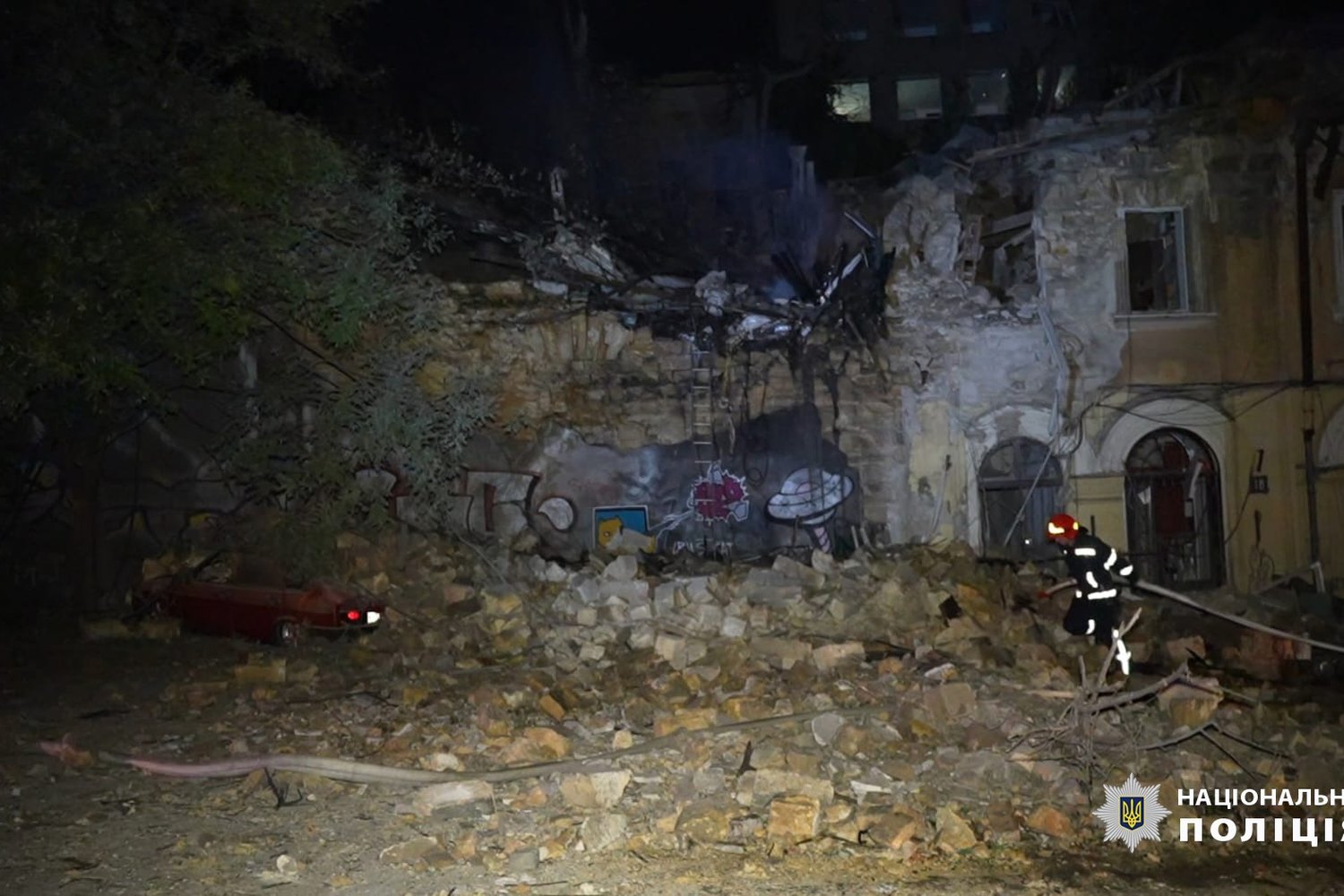
The al-Tayyib border area of Maysan province has also been shut after drone launchers were discovered there, and a search operation is under way.
The joint investigation
Iraqi Prime Minister Ali al-Zaidi approved a request from Iran to conduct a joint investigation into the discovery of drone launch platforms near the border, according to a statement from Sabah al-Numan, spokesman for the commander-in-chief of the Iraqi armed forces.
The statement did not say where the drones were found or how many there were.
An Iranian role in investigating launches that Saudi Arabia says targeted its territory is an unusual arrangement, and it follows Baghdad's earlier decision to dismiss the commander who led operations in Maysan.
What preceded this
Saudi Arabia said on Friday that its East-West pipeline had been struck by several drones originating from Iraq, in the Riyadh and Medina areas, causing injuries and material damage. It shut the pipeline as a precaution.
Riyadh chose not to retaliate at the request of the Iraqi prime minister, while reserving the right to take measures to protect its sovereignty and critical facilities.
The prime minister's office had already said the attack was launched from Maysan province, and al-Zaidi dismissed the commander there after investigations confirmed it.
Where responsibility sits
Iraq has confirmed the launches came from its soil. It has not said who carried them out.
That is the open question, and it is the one the closures, the search operation and the joint investigation are all directed at. A confirmed launch site establishes the geography; it does not identify the operator.
Al Jazeera notes that US President Donald Trump has said Iran was probably behind the attack. Neither the Iraqi nor the Saudi statements reported here make that attribution.
The regional setting
The attacks come during a conflict that has already disrupted shipping through the Strait of Hormuz and pushed oil above $100 a barrel, and as Houthi forces consolidate along Yemen's Red Sea coast.
Saudi Arabia's restraint has bought Baghdad the opportunity to act. The crossings, the dismissal and the search operation are what it has done with it so far.