DR Congo's Ebola outbreak passes 7,000 cases and 3,398 deaths
The country’s 17th and worst epidemic has now reached a seventh province. Cases have been detected in schools in Ituri since classes resumed.
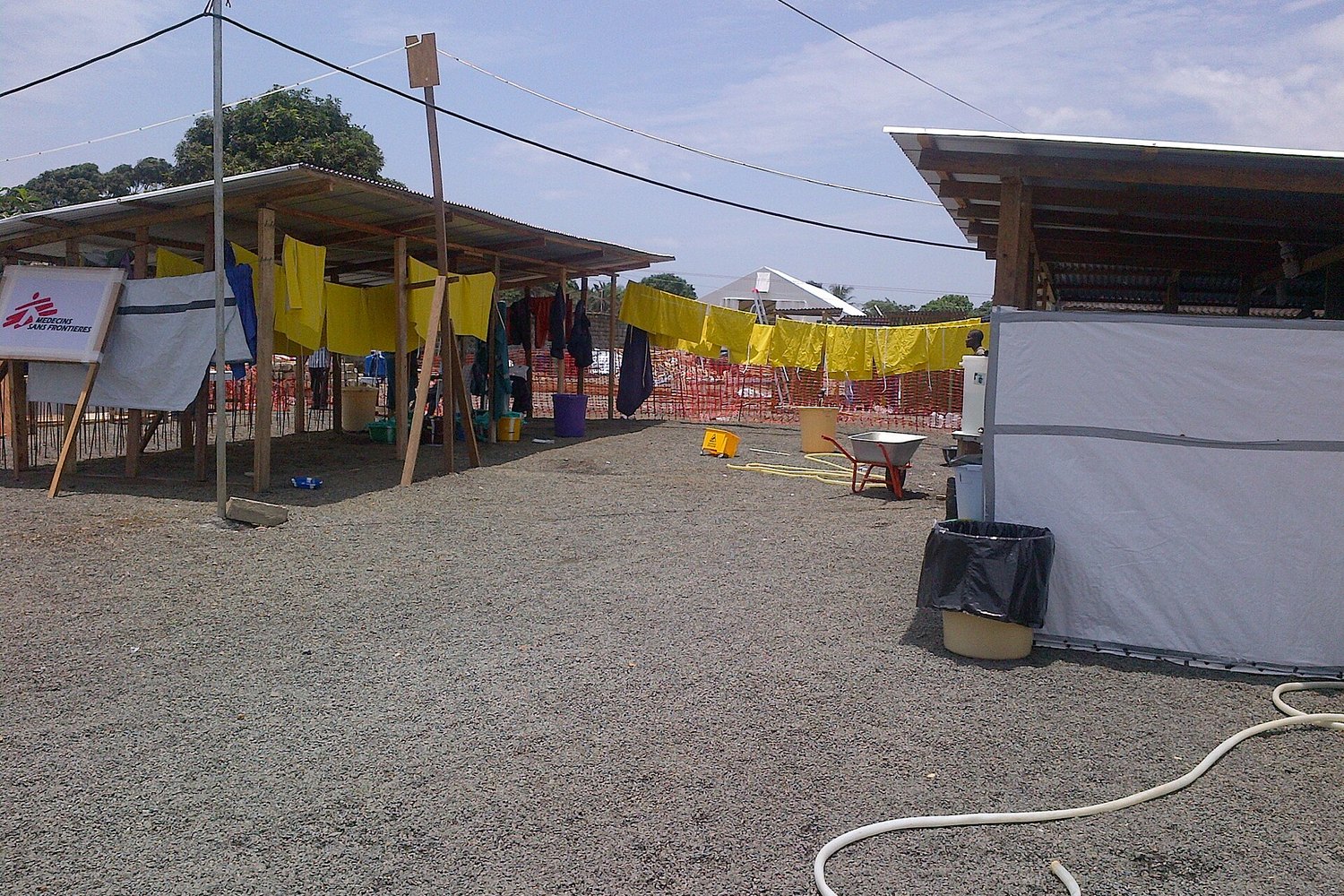
More than 7,000 Ebola cases have been recorded in the Democratic Republic of the Congo's worst outbreak of the disease, according to figures from Congolese authorities.
Of 7,022 registered cases, 3,398 people have died. A further 837 are in isolation or receiving treatment.
The virus and the timeline
The outbreak involves the rare Bundibugyo virus and is the country's 17th Ebola epidemic. It began in the north-eastern province of Ituri.
The DRC officially detected it in mid-May, though experts suspect it had been spreading undetected for weeks before that.
A case fatality approaching half of those infected, across more than 7,000 cases, is what makes this the country's worst outbreak by both measures.
Where it has spread
The epidemic has moved across conflict-affected, remote eastern and northern regions — areas where armed groups have operated for decades, the presence of the state is weak, and health infrastructure is largely lacking.
Earlier this week a case was confirmed in a seventh province, South-Ubangi, in the north-west, bordering the Central African Republic and Congo-Brazzaville.
That geography is the central difficulty, and Al Jazeera identifies it as such: remote regions, weak state presence, armed groups and little health infrastructure.
The schools
Most recorded cases remain in Ituri, where Ebola has been detected in schools in the days since the post-holiday return to classes. That has caused alarm among parents and health workers.
Angele Magani, the mother of a schoolboy in Bunia, Ituri's provincial capital, described the problem to AFP: "We are very worried because we don't know which child comes from which family."
Nor, she said, do parents know the health status of the members of those families.
"We are so scared, even though the school authorities reassure us about the health measures that have been put in place," she added.
Roger Mungimbo, a school official in Bunia, said there is mandatory hand-washing at the school.
Why schools matter in an outbreak
A school gathers children from households across a wide area and returns them each evening. In an epidemic spread by contact with bodily fluids, that pattern connects families that would otherwise not meet.
The measures Mungimbo describes — hand-washing at entry — are the standard first line, and they are also what a school can do on its own resources.
The response
The DRC has begun vaccinating against the outbreak, according to Al Jazeera's earlier reporting.
What the figures cover
The 7,022 cases and 3,398 deaths are those registered by Congolese authorities. In an outbreak that experts believe circulated undetected for weeks, and which is spreading through areas with limited health infrastructure, registered cases are a floor rather than a total.