DGCA orders one-time drug tests for every pilot in India
The order follows an Air India flight that lost all three hydraulic systems at 36,000 feet, and whose pilot-in-command later tested non-negative for a psychoactive substance.
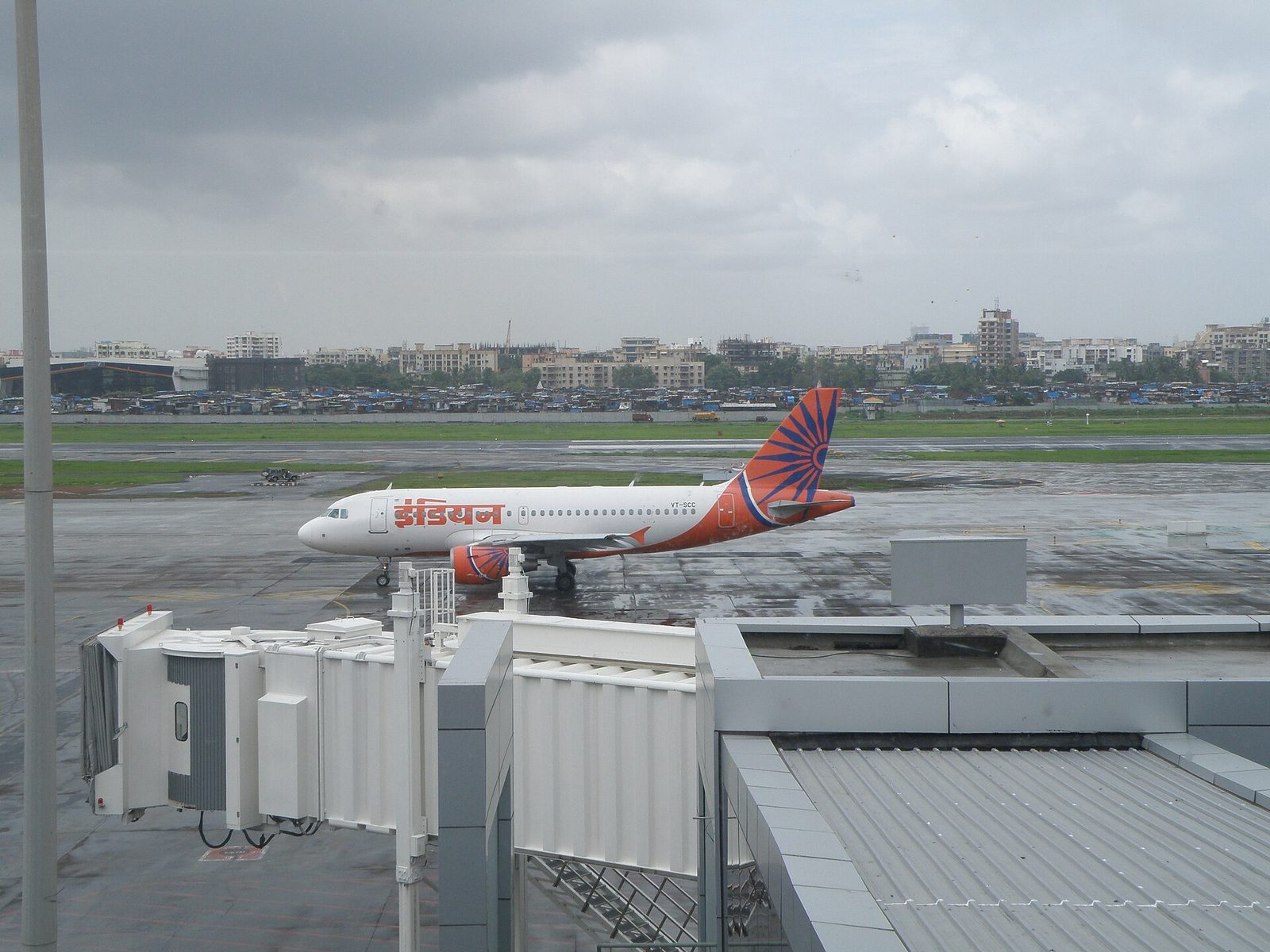
India's aviation regulator has ordered airlines to carry out one-time psychoactive substance tests on every pilot they employ, with the current cycle running to 31 July next year. The order follows the 4 August Phuket-Delhi Air India flight whose pilot-in-command tested non-negative for such a substance.
Testing across all airline operators is already under way. "An order has been issued", an official said; a second official said the tests began last month.
The distinction between a non-negative and a positive result matters here. A non-negative screening result is not a finding of drug use; it sends the sample for a confirmatory test, and the pilot is grounded while that runs. In this case the confirmatory test came back positive, which is what moved the airline and then the regulator.
The change is a substantial widening of the existing regime, under which 10 per cent of flight crew and air traffic controllers are randomly tested for psychoactive substances each year. Under the new mandate, no pilot is left to chance.
The flight that prompted it
The Phuket-Delhi service lost all three of its hydraulic systems within seconds while cruising at 36,000 feet on 4 August. The failure triggered what investigators termed an altitude upset, and 24 people on board were injured.
A preliminary report from the Aircraft Accident Investigation Bureau published last week found that the pilot-in-command had been the pilot monitoring — the crew member in a two-pilot aircraft who is not handling the primary controls at the time — and that the co-pilot tested negative.
Air India did not wait for the regulator. It began testing 100 per cent of its own pilots from 13 August, after the pilot-in-command tested positive in a confirmatory drug test.
A rule being rewritten
The one-time testing order is an interim measure. The government is separately amending the drug testing rule itself, and the civil aviation minister, Ram Mohan Naidu, said on Thursday that the change is expected by the end of the month.
The Directorate General of Civil Aviation "is still holding discussions with stakeholders", he said, "but hopefully before the end of this month, we will be able to finalise what the new guideline will be on pilot testing".
The proposals are expected to produce a more stringent framework, applied more comprehensively across the industry. In August, Naidu said the ministry was weighing the operational impact of expanding testing against the safety case, and was considering annual random drug tests for every pilot.
On what happens to the pilot at the centre of the case, the minister deferred to the regulator and to the rule now being drafted. The DGCA would have to act, he said, and the decision would follow the Civil Aviation Requirements. Once those are published, he said, "what the CAR says, accordingly we will see what kind of action needs to be taken".
What was already being considered
The direction of travel was set before the August flight. Hindustan Times reported last month that the government was examining a wider random-testing regime, with the possibility of every pilot being tested at least once a year, and that the drug testing rule was being redrafted to allow it.
The scale of the change
Moving from a 10 per cent annual sample to testing every pilot once, with a view to testing every pilot every year, is a different proposition operationally. Indian carriers have expanded quickly, crew rosters are tight, and a pilot who tests non-negative is grounded pending a confirmatory result.
The regulator's calculation is evidently that the alternative is worse. In the case that prompted the order, an aircraft at cruising altitude lost every hydraulic system it had, two dozen people were hurt, and the subsequent testing of the commander returned a result that a 10 per cent sample would most likely never have caught.
Two things are worth separating, because the preliminary report does not join them. The hydraulic failure and the test result are, so far, two findings about the same flight rather than a demonstrated cause and effect. The AAIB has said the commander was monitoring rather than flying, and that the co-pilot tested negative. What the regulator has responded to is not a proven link but an unacceptable uncertainty — and the fix it has reached for is to stop sampling and start testing everyone.
Sources
- Hindustan Times — Testing order and cycle, minister's comments, AAIB preliminary findings, Air India testing