China and Russia back India for a greater UN Security Council role
The New Delhi Declaration repeats the two permanent members’ support for India and Brazil. The Council has had the same five permanent members since 1945.
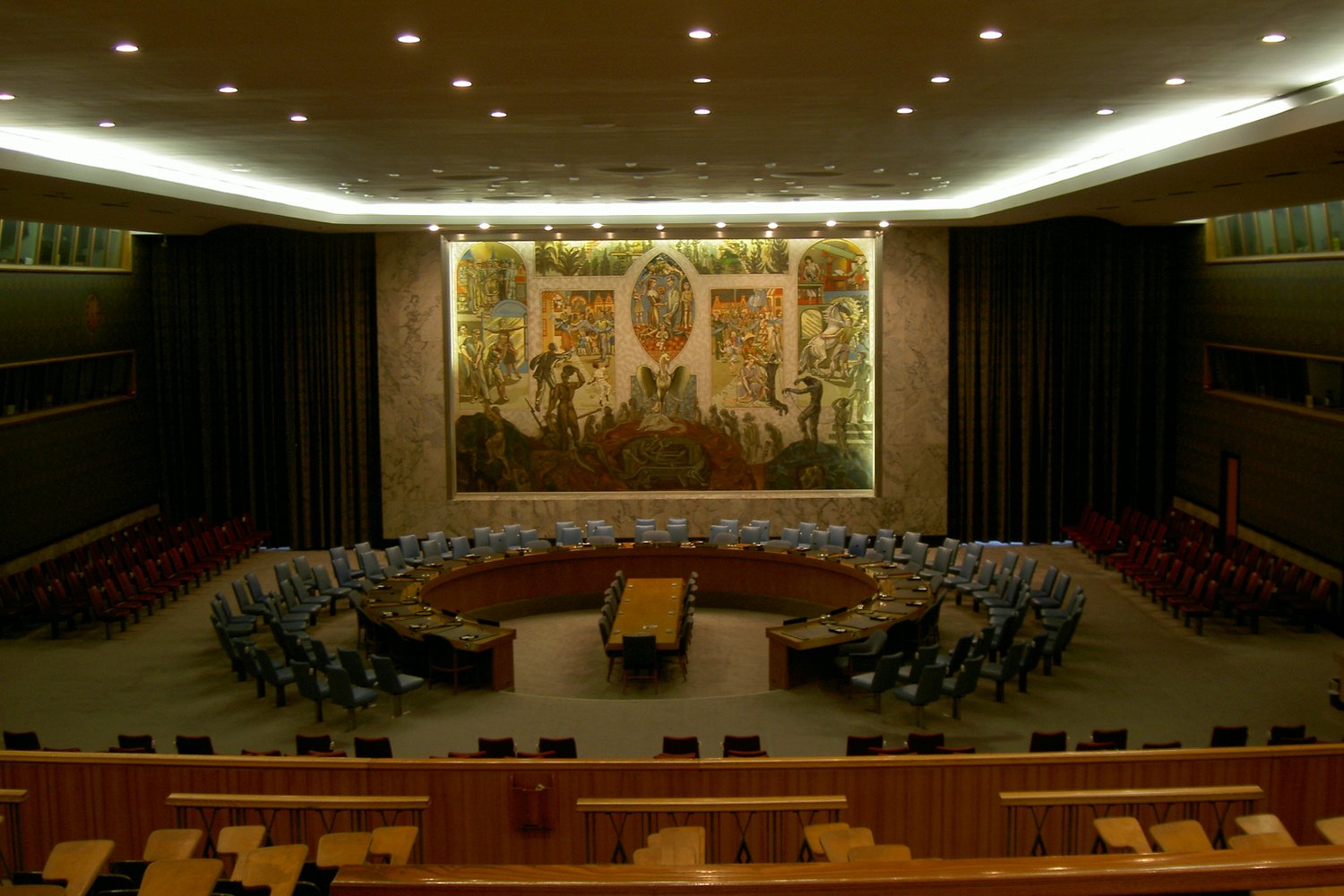
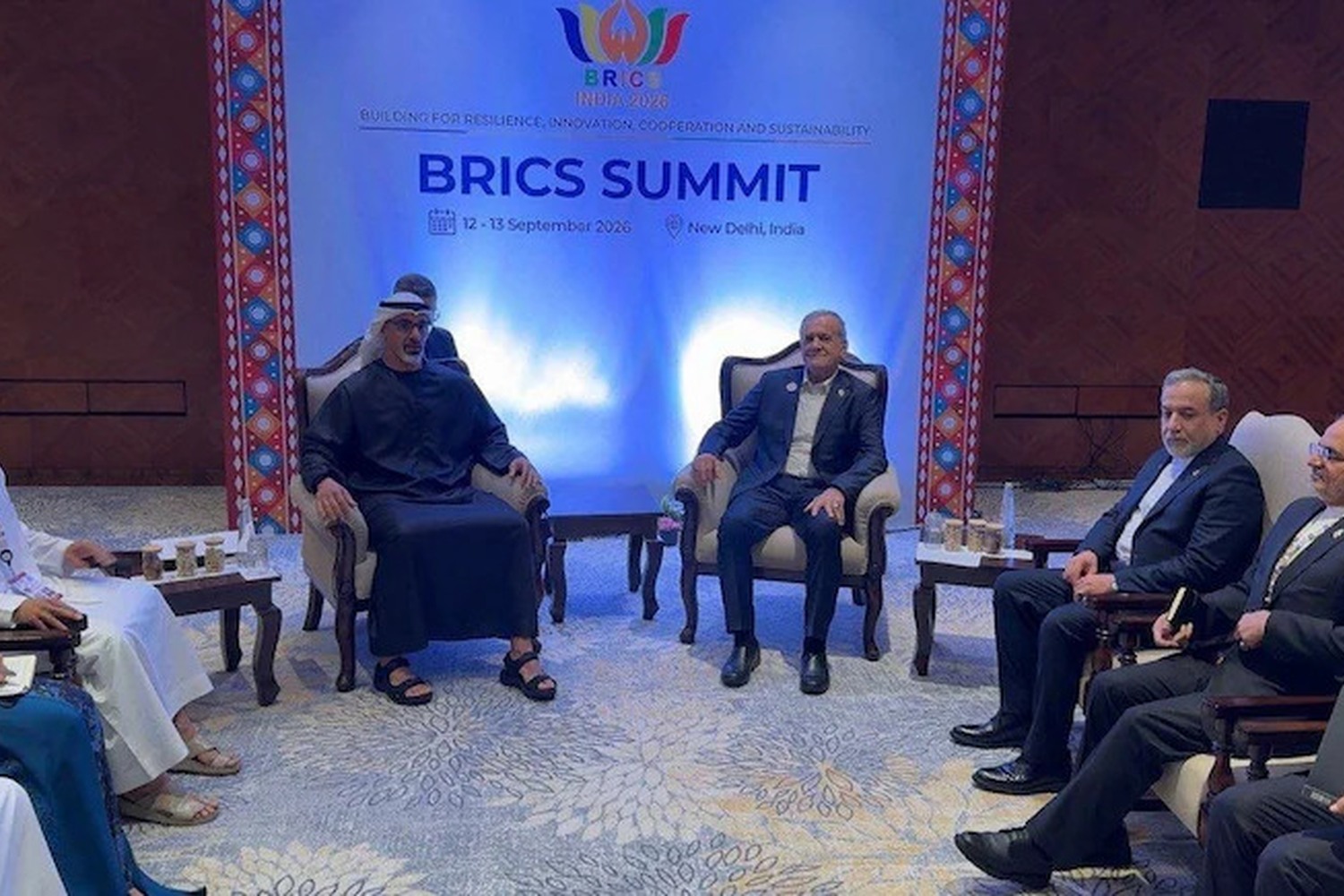
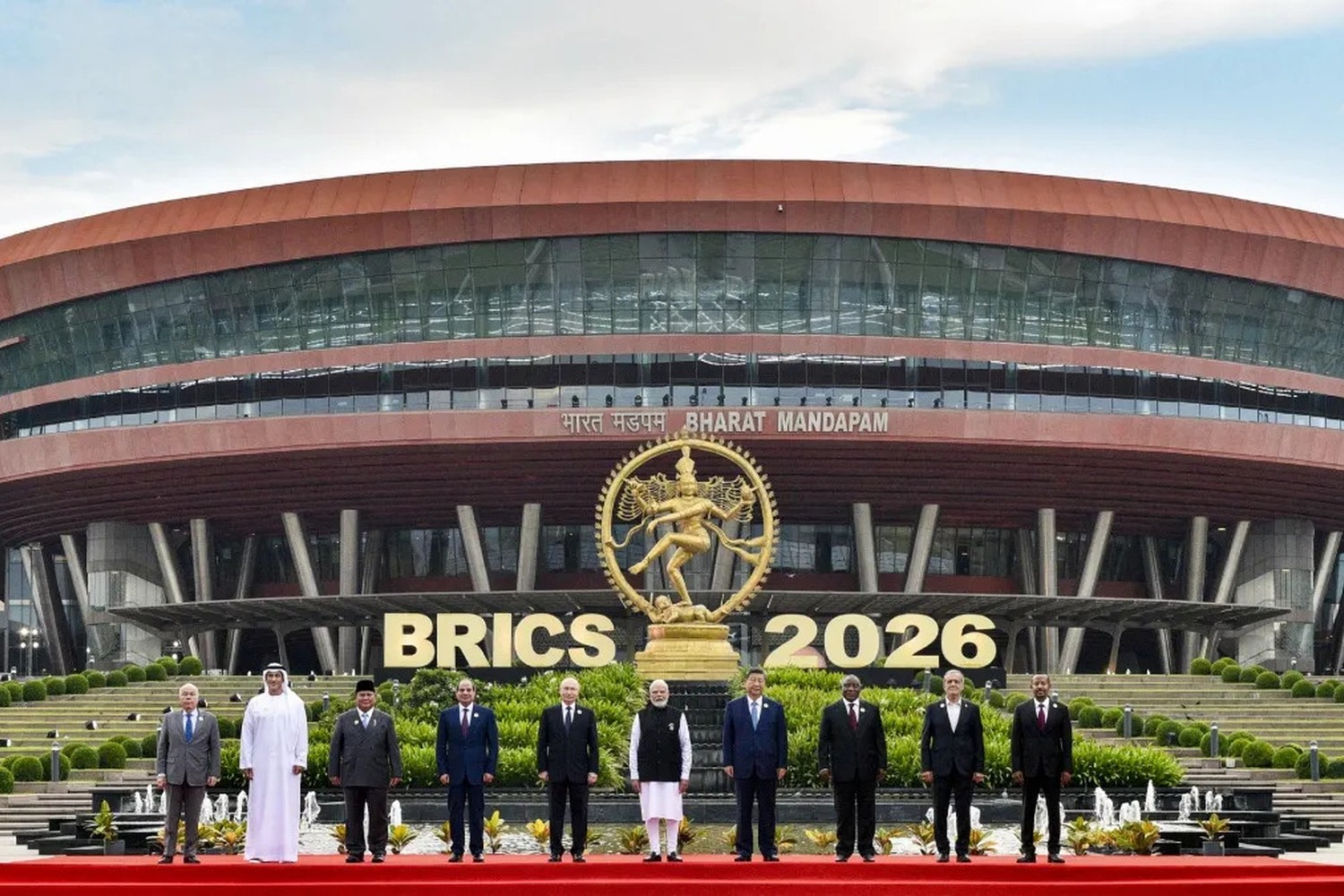
China and Russia have reiterated their support for India and Brazil to play a greater role at the United Nations, including its Security Council, in the New Delhi Declaration adopted at the BRICS summit.
The declaration records the leaders' support for a "comprehensive reform of the UN, including its Security Council".
What the text asks for
The document presses for the Council to be made "more democratic, representative, effective and efficient", and for greater representation of developing countries in its membership, so that it can respond to prevailing global challenges.
It supports the aspirations of emerging and developing countries from Africa, Asia and Latin America — including BRICS countries — to play a greater role in international affairs, and in the Council in particular.
On the purpose of that change the declaration is explicit: "We stress that the UN Security Council reform is to lead to the amplified voice of the Global South."
The named endorsement
The specific backing is recorded in the declaration's own words, recalling the 2022 Beijing and 2023 Johannesburg-II Leaders' Declarations. China and Russia, as permanent members, "reiterate their support to the aspirations of Brazil and India" to play a greater role in the UN, including its Security Council.
The word doing the work there is "reiterate". This is a restatement of language agreed at two previous summits rather than a new position, and it stops at aspirations rather than at permanent membership.
Why the Council is the target
The Security Council has five permanent members — China, France, Russia, the United Kingdom and the United States. Each holds a veto over resolutions.
That number has not changed since the Council was created in 1945.
Major emerging nations have called for expansion for years, and India has been at the forefront of that demand.
Modi's framing
Prime Minister Narendra Modi pressed the same case at the summit, arguing for a greater role for developing countries in global decision-making and saying the Global South should move from being a "rule-taker" to a "rule-shaper".
Addressing the opening session, he described the current architecture as a "pyramid" — those with power at the top making the decisions, those at the bottom affected by them without leverage.
He said that "pyramid of privilege" should be transformed into a "platform of partnership".
What it amounts to
Two of the five countries holding a veto have again put their names to a document supporting a larger role for India. Neither has committed to a permanent seat with a veto, and the declaration does not ask them to.
For India, the value is cumulative: the declaration records that the same support was given in the 2022 Beijing and 2023 Johannesburg-II declarations. That is a record of consistency rather than a change in the Council's composition.
The declaration does not set out how the reform would be achieved.