Centre offers Ladakh a new constitutional body, but not statehood
The chief secretary says the model will be written into Article 371 and needs a two-thirds majority in Parliament. Sonam Wangchuk has given the government a week.
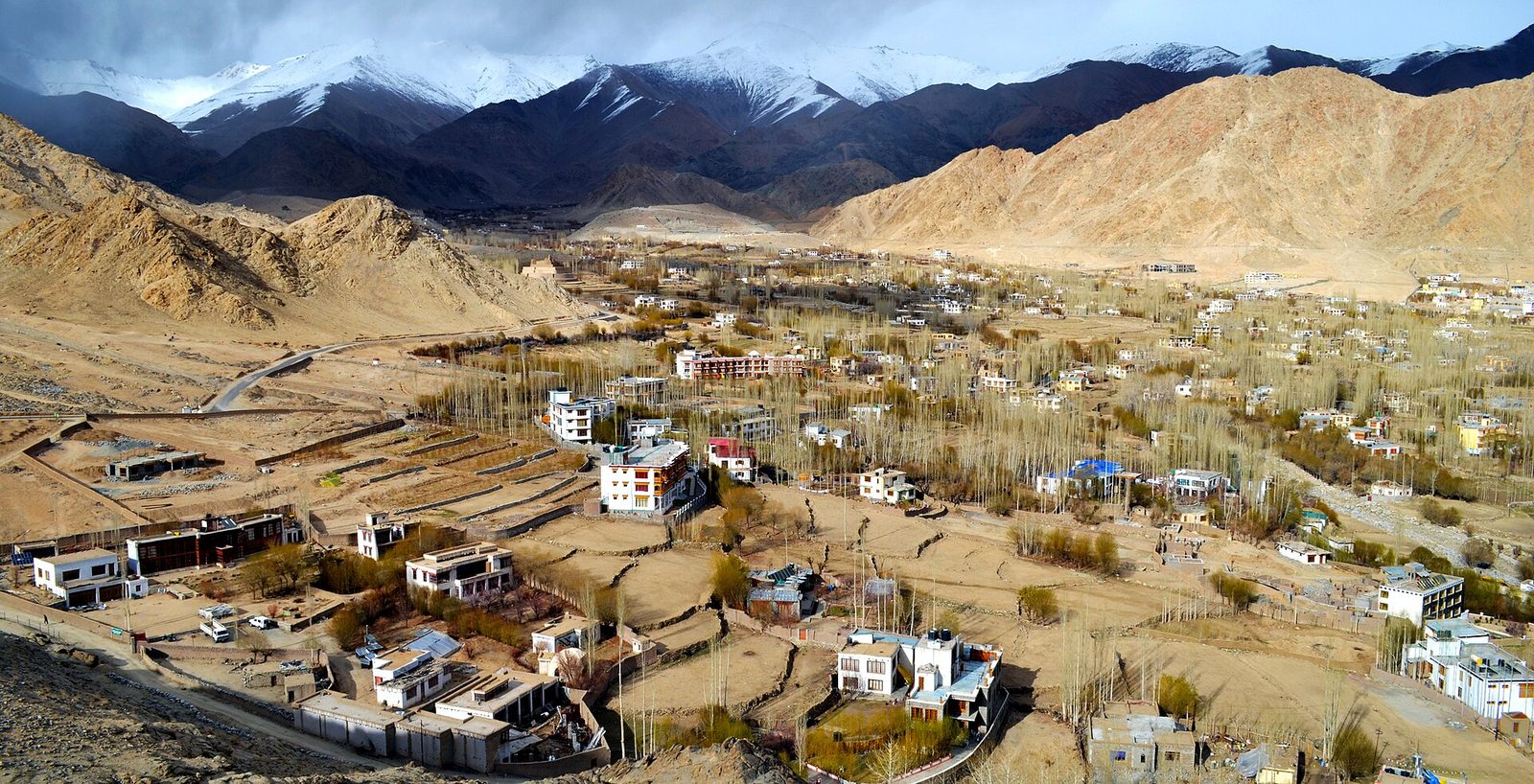
The government has told Ladakh's leadership that its new governance arrangement will be neither statehood nor a union territory with a legislature, but something without precedent in India: a special constitutional amendment, requiring the approval of Parliament, that creates a legislative body for the territory.
The Ladakh administration set out the offer on Thursday, a day after representatives from the region met officials of the Ministry of Home Affairs in New Delhi. Within hours the activist Sonam Wangchuk had rejected the pace of the talks and threatened a fresh agitation from 19 to 24 September unless the government gives assurances within a week.
A model that does not exist anywhere
Ashish Kundra, Ladakh's chief secretary, said the agreement reached with the region's leadership was that "a sui generis model, which does not exist anywhere in the country, will be crafted for Ladakh, where a legislative body will be created".
He was blunt about what it is not. "It is not going to be a state, for sure. It is not a UT with legislature", he said, "but it is some other body which will have these (executive, legislative, financial) powers." The name for it has not been settled, which is part of what the discussions are still about.
The central demand since Ladakh was carved out of the former state of Jammu and Kashmir has been inclusion under the Sixth Schedule, which governs tribal areas in Assam, Meghalaya, Tripura and Mizoram under Article 244(2). Kundra told the sub-committee that route has limits. The Sixth Schedule, he said, is a construct built for the north-east, where particular districts within a state hold minority tribes who need protection from the majority, and a separate district council is created for them.
The Centre, he said, is willing to offer more than that, and it would come through Article 371. "Once these constitutional safeguards are embedded in Article 371, then it is cast in stone."
The parliamentary arithmetic
The distinction Kundra drew matters. What is proposed is a constitutional amendment, not an ordinary law, and that requires a two-thirds majority — which, as he put it, "requires political consensus across parties". A detailed regulation would then be needed to implement it.
The legal drafting cannot begin until both sides agree on basic principles, and the administration has sent the leadership a set of questions intended to build consensus on how to proceed.
Wangchuk gives the government a week
The reaction from Leh was not warm. Wangchuk said he was disappointed by how the talks between Ladakh's leaders and the MHA sub-committee had gone, and marked the occasion by posting an old clip from the comedian Jaspal Bhatti's show, his point being that little new had happened.
He said leaders of the Apex Body of Leh and the Kargil Democratic Alliance, who were "rather disappointed" by the 9 September meeting, would hold a press conference at Ladakh Bhavan in New Delhi.
The Leh Apex Body is observing September as a Martyrs' Month for those killed, injured and jailed last year, and had planned a march from Kargil to Leh on 10 September. It was postponed once the MHA talks were called. "We have collectively decided to postpone the padyatra for the time being", Wangchuk was quoted as saying by PTI, adding that the march could be revived if the talks produced nothing, and would be organised around five days before 24 September.
Why that date carries weight
Wangchuk spent six months in Jodhpur jail after being booked under the National Security Act in September last year, following violence in Ladakh. He was held on 26 September, two days after protests demanding greater autonomy turned violent, leaving four people dead and dozens injured. The government blamed him, a Magsaysay Award winner in 2018 and a leading figure in the statehood movement, for provoking the clashes.
After his release in March this year he backed students protesting over irregularities in the NEET examination, and sat on an indefinite hunger strike for 26 days from 28 June.
That history is the context for the deadline he has now set. The government is offering a constitutional settlement that would be, on Kundra's account, permanent once written into Article 371 — but one whose shape, name and powers remain undefined, and which depends on a parliamentary majority no single party can deliver alone.
Sources
- The Indian Express — Chief secretary's account of the proposed model and Article 371 route
- Hindustan Times — Wangchuk's ultimatum, postponed padyatra, NSA detention background