BRICS declaration backs fossil fuels and opposes the EU carbon border tax
The New Delhi text says fossil fuels will still play an important role for developing economies, and calls the EU import levy unilateral and protectionist. Four of the world’s five largest coal consumers are BRICS members.
The New Delhi Declaration adopted at the 18th BRICS Summit states that fossil fuels will still play an important role in the world's energy mix, particularly for developing economies, and opposes the European Union's carbon border tax.
It comes against disruption to global supply chains and energy security caused by the West Asia conflict, which has pushed oil prices above $100 a barrel.
The energy paragraph
The declaration frames energy security as a foundation for social and economic development, national security and the welfare of nations.
On fuels it is explicit. "We acknowledge fossil fuels will still play an important role in the world's energy mix, particularly for emerging markets and developing economies," the text states.
It pairs that with a commitment to reduce greenhouse gas emissions in line with climate goals, invoking the principles of technological neutrality and of common but differentiated responsibilities and respective capabilities, taking national circumstances into account.
Who is signing it
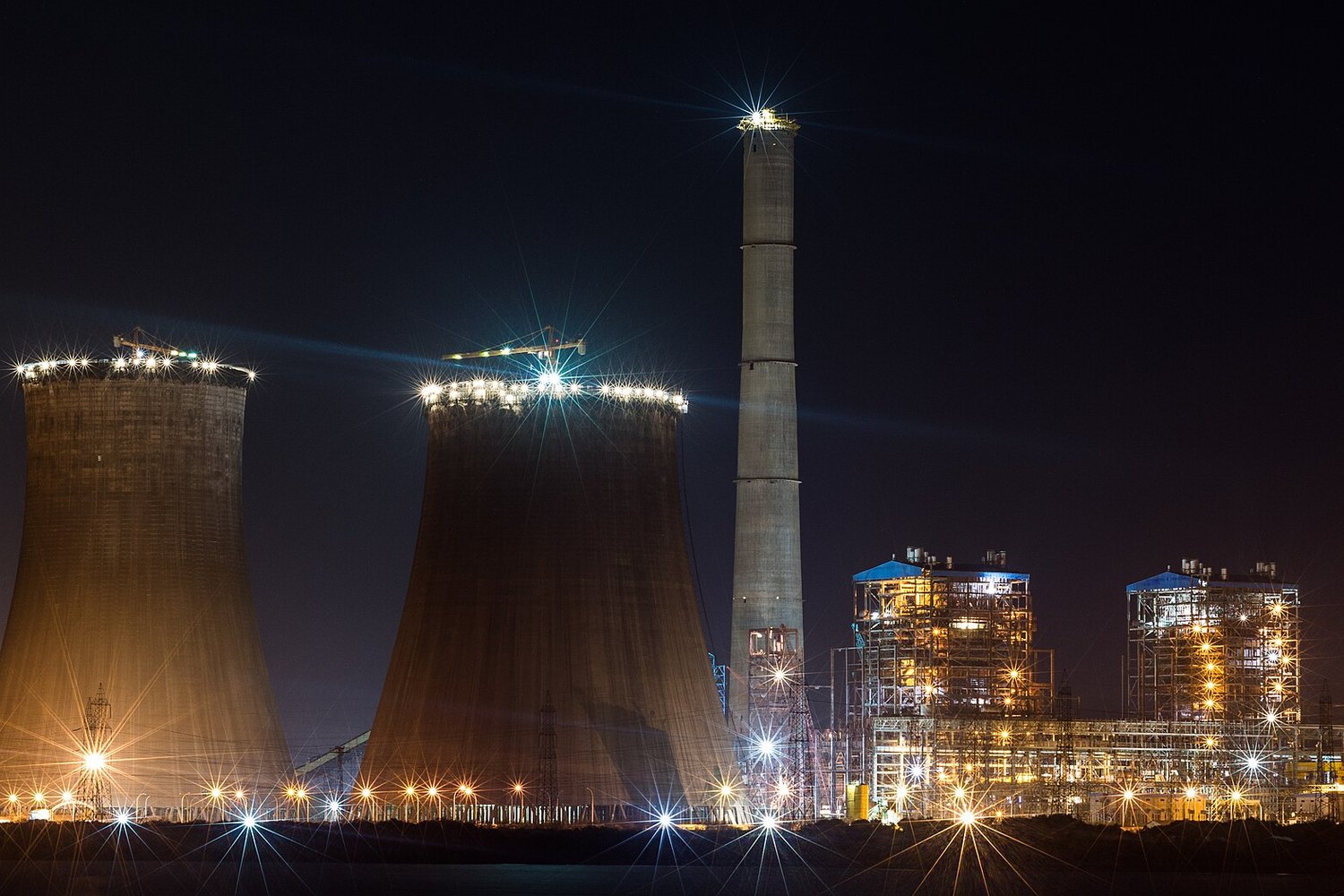
The membership gives the paragraph its weight. China, India, Indonesia and Russia are among the world's five largest coal consumers; the United States is the only non-BRICS country in that group.
Those members have also expanded renewable energy rapidly. Coal nonetheless remains one of the largest sources of electricity production and energy use across the bloc.
So the declaration is not a statement of intent about the future so much as a description of the present, written by the countries it describes.
The carbon border tax
The European Union's carbon border adjustment mechanism imposes an import levy on carbon-intensive goods entering the bloc. The declaration opposes it directly.
It objects to "unilateral, punitive, discriminatory and protectionist measures that are not in line with international law".
The stated reason is developmental: "Such measures undermine efforts by countries, specifically developing countries, aimed at addressing the adverse impacts of climate change, increasing adaptive capacity and resilience."
The argument is that a levy on carbon-intensive exports falls hardest on economies whose industry is still carbon-intensive, and takes revenue out of the countries that need it for adaptation.
What it commits to
The declaration reaffirms the grouping's commitment to tackling climate change, and calls on all countries to uphold their existing commitments under the Paris agreement — including provisions on mitigation, adaptation, loss and damage, and the principles of equity.
It underscores nationally determined just transitions: a shift to cleaner fuels for electricity generation and energy use, decided nationally rather than imposed.
And it calls on developed countries to provide additional, adequate, predictable and accessible financial resources, along with technology transfer, to help developing countries adapt.
Taken together, those paragraphs accept the transition while placing the timetable and the financing with national governments and with developed countries respectively.
Critical minerals
The text recognises the role of critical minerals in developing zero- and low-emission energy technologies, in energy security, and in supply chain resilience.
That paragraph sits alongside Prime Minister Narendra Modi's warning at the summit against the weaponisation of critical minerals.
Disasters and conservation
Against the background of last month's flash flood in Nepal, the declaration acknowledges the growing complexity of disaster risks, including those related to climate change, and particularly for the Global South. It welcomes guidelines for Disaster Management Early Warning Data Integration.
It also takes note of India's International Big Cat Alliance and encourages BRICS countries to work together on big cat conservation. India initiated the alliance in 2023 and it is headquartered in New Delhi.
The read
A declaration signed by eleven countries, four of them among the largest coal consumers on earth, was never going to commit to leaving fossil fuels behind on a fixed timetable. What it does is set out the terms on which those countries say they will move: nationally determined, financed by developed countries, and without border levies applied from outside.