Houthis take the Red Sea port of Mocha and close on Bab el-Mandeb
Yemeni government military sources say the rebels seized the city on Thursday. With Hormuz already choked, a second shipping chokepoint is now in play.
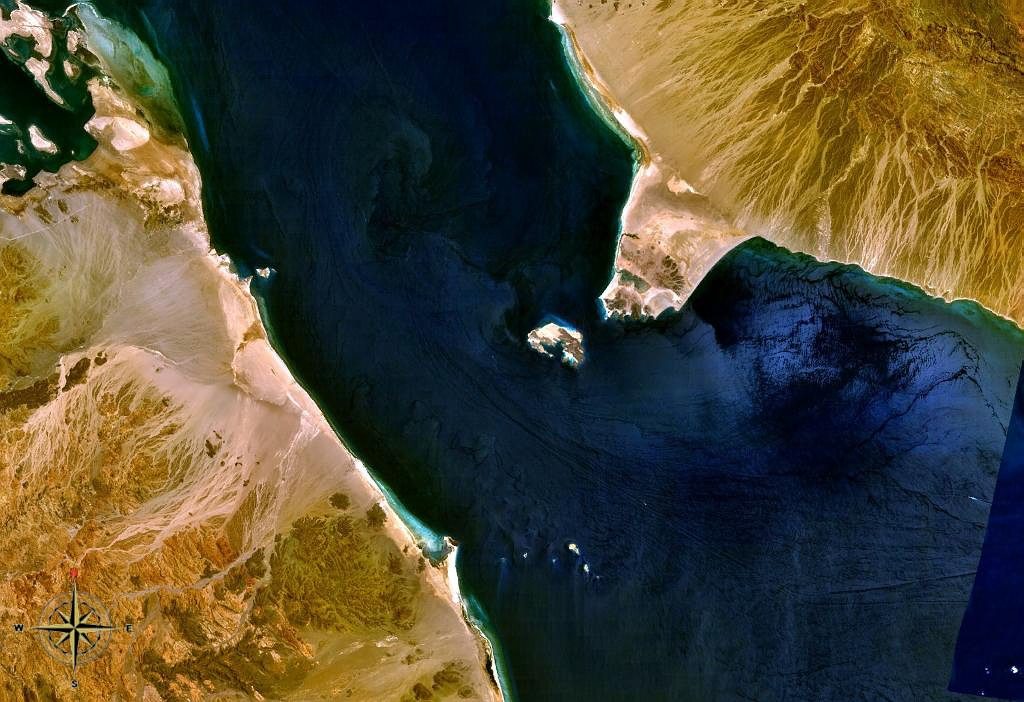
Yemen's Iran-aligned Houthis seized the Red Sea port city of Mocha on Thursday, four Yemeni government military sources told Reuters, taking the rebels a step closer to controlling the Bab el-Mandeb Strait — one of the busiest shipping lanes in the world, and the alternative the industry has been relying on while Iran throttles the Strait of Hormuz.
That is the significance beyond Yemen. With Hormuz already largely closed by Iran's campaign against shipping, Bab el-Mandeb is the corridor through which Gulf oil producers, Saudi Arabia above all, have been trying to move crude to market. A Red Sea route that normally carries around $1 trillion of goods a year is now contested at both ends.
Residents said the rebels entered the port during the day. Mocha had been held by the internationally recognised government, and its loss closes another of the entry points through which food and aid reach the country.
The fight for the strait
The rebels were also attacking the strategic Red Sea islands of Hanish, the government sources said, while government forces and their allies pulled south to Dhubab, a town sitting directly on the strait opposite the island of Perim. Holding Dhubab and the island, those sources said, is the key to controlling Bab el-Mandeb — the Gate of Tears, named for the danger of its navigation.
"They now control a much larger stretch of the coastline, bringing them closer to the areas around Bab al-Mandeb", said Ahmed Nagi, a senior Yemen analyst at the International Crisis Group, noting that the rebels are no longer confined to the northern part of the western coast.
How the truce came apart
A UN-brokered truce in 2022 largely stopped years of fighting between the Houthis and the internationally recognised government and its Saudi-backed coalition, without ever producing a settlement. It held until a few weeks ago, when the Houthis tested a Saudi-led blockade of rebel-held areas.
Saudi forces struck the international airport in Sanaa, the rebel-held capital. The Houthis said the strike was meant to stop a plane carrying their leaders returning home from the funeral of Iran's late supreme leader, Ayatollah Ali Khamenei. The rebels then attacked oil facilities and utilities inside Saudi Arabia, wounding dozens, and say Saudi-backed government forces have answered with dozens of air strikes this week.
What the Houthis now have is a lever they did not have before. With Hormuz constricted, declaring a blockade of Saudi Arabia and threatening its Red Sea route lets them hurt their neighbour directly. Tehran, their backer, has no objection to squeezing the US-allied Saudis while it works to limit Gulf oil exports.
The attack that preceded it
The fighting had already reached Saudi soil. On Tuesday the Houthis fired what their military spokesman, Brig Gen Yahya Saree, described as dozens of ballistic missiles and drones at oil and economic targets and an air base in the south of the kingdom. Saudi authorities said 73 people were wounded, women and children among them, and that fires broke out at oil facilities and utilities in the southern region, where operations were suspended for a time.
Maj Gen Turki al-Malki, spokesman for the Saudi-led coalition, said civilian and economic facilities had been struck in Abha, Jazan, Najran and Khamis Mushait, called it a serious escalation and promised retaliation. Saree said the targets included an industrial and logistics hub on the south-western Red Sea coast, Aramco facilities at Najran and Abha, and King Khalid Air Base at Khamis Mushait. The southern region is not incidental: it holds a 400,000-barrel-a-day refinery at Jazan, among the kingdom's largest.
Those attacks came hours after the rebels blamed Saudi Arabia for an air strike on a prison in the northern Yemeni province of Jawf, in which they said at least seven people including a child were killed and seven more wounded.
A country that cannot afford another war
More than 40 million people live in Yemen, where the last civil war killed 150,000 and left much of the population hungry and beyond the reach of aid. Mocha is one of the entry points that aid passes through.
The Houthis have come through the recent regional war comparatively unscathed. Lower-profile than Hezbollah in Lebanon or Hamas in Gaza, and further away, they largely escaped Israeli attack in the nearly three years since the Gaza war began, though American air strikes hit them when they began targeting what they called Israeli-linked shipping off Yemen's west coast — attacks that later faded.
For oil buyers already watching Hormuz, a threat to a second lane is an unwelcome signal, with crude again trading above $100 a barrel. The United States has shown signs of wanting to close out the Iran war and get tankers moving rather than widen the fight.
Sources
- Reuters (via South China Morning Post) — Seizure of Mocha, Hanish islands, Dhubab and Perim
- Associated Press — Truce collapse, Sanaa airport strike, Crisis Group quote, Red Sea trade value
- Al Jazeera — Front-by-front detail