US bans Canadian dairy, alcohol and motorcycles as trade war deepens
The bans start on 29 September, hours after Canada's retaliatory tariffs on $20bn of American goods took effect. One economist calls it pain rather than revenue.
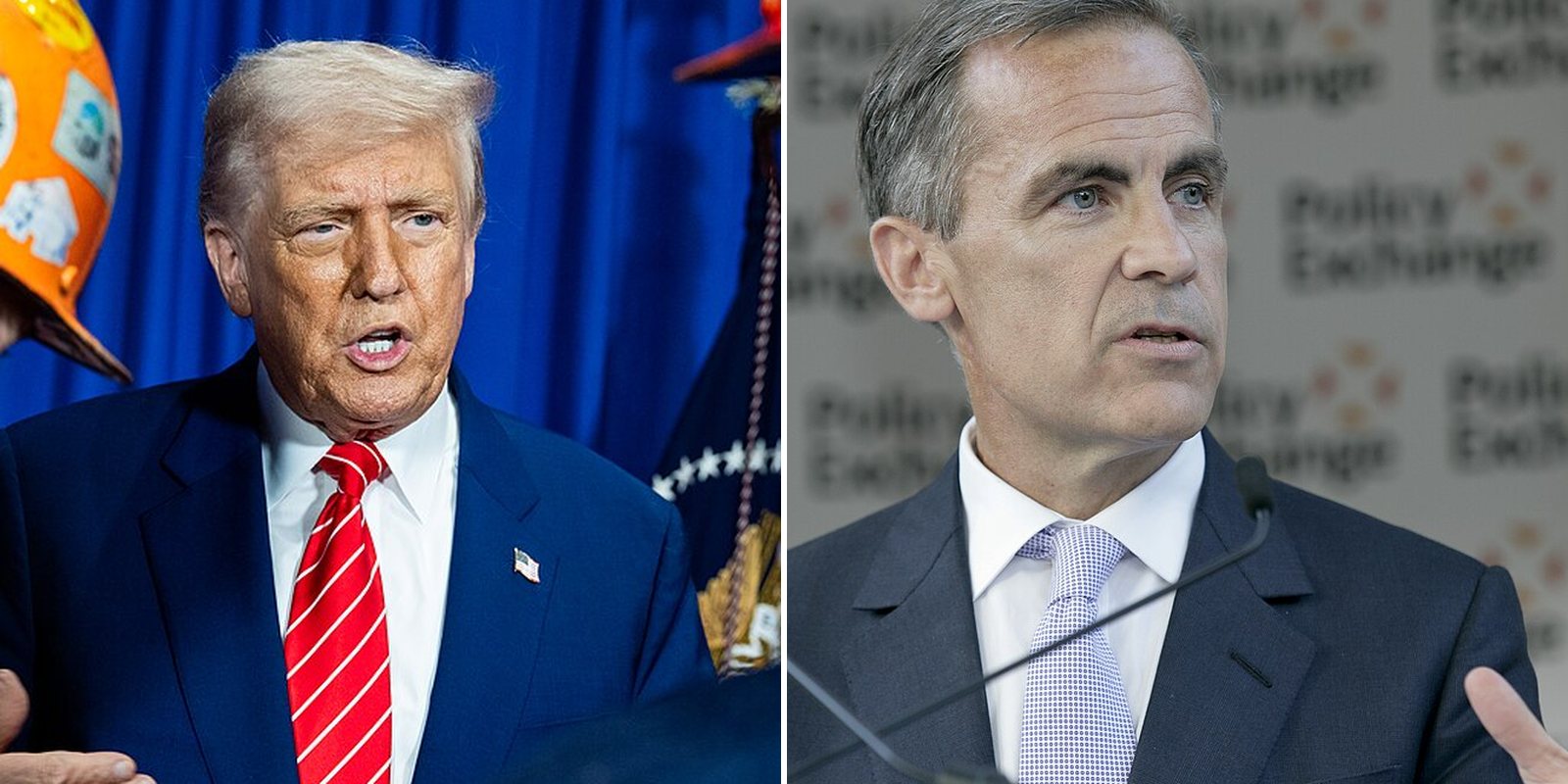
The United States will bar imports of Canadian dairy products, most alcoholic drinks and motorcycles, the White House announced on Tuesday, hours after Canada's retaliatory tariffs on American goods came into force. The restrictions take effect on 29 September.
Donald Trump set them out in a series of executive orders, saying Canada was "discriminating" against American business by restricting US goods without applying the same treatment to the same products from other countries. He also instructed the General Services Administration to rule Canadian products ineligible for large, long-term federal contracts until Canada allows what the order called "full and fair reciprocity" for American goods. Some items, including whey and non-alcoholic beer, are barred outright.
The measures are the latest exchange in a trade dispute that has broken open one of the world's closest bilateral relationships. Talks collapsed in late August. Neither side has scheduled new ones, though officials in both capitals say they want a deal.
What each side has done
Last month Washington imposed 50 per cent tariffs on around $20bn of Canadian goods, hitting furniture, wine and some sporting and fishing equipment. Ottawa answered with what Prime Minister Mark Carney called "dollar-for-dollar" duties, which took effect after midnight on Tuesday.
Those Canadian tariffs cover hundreds of American products — steel, aluminium, cheese, appliances, clothing, cosmetics and farm equipment — at rates of 15, 25 or 50 per cent. They apply to roughly $20bn of goods, about 6 per cent of the $333.6bn the United States exported to Canada last year. Several Canadian provinces had already pulled American alcohol from their shelves, which is what prompted Tuesday's reciprocal ban.
In cash terms the newly banned categories are small. Canadian exports to the US in 2025 were worth $687m in spirits, $269m in dairy and $90m in motorbikes, according to UN figures compiled by Trading Economics.
What is actually on the list
The bans are narrower than the headline suggests, and the tariff increases alongside them are broader. Barred outright are some dairy products including whey, cane molasses, non-alcoholic beer, beer made from malt, a long list of wine, rum and vodka products, and motorbikes including mopeds. A separate group faces higher import taxes rather than exclusion: various cheeses and cheese substitutes, raw hides and skins, paper, some furniture and mattresses, metals including aluminium and iron, motorboats, golf carts, fishing rod parts and switchboards.
The selection is not random. Washington has gone after industries that matter politically in Canada, dairy above all, said Scott French, an economics lecturer at the University of New South Wales. Trump has long argued that Canada's supply management system - production quotas, set prices and import limits on dairy, eggs and poultry - is unfair to American farmers.
Pain, not revenue
Stephen Brown, chief North America economist at Capital Economics, calculated that the ban covers just 0.25 per cent of Canada's exports to the United States. Trump's willingness to impose an outright import ban was, he said, "further evidence, if it were needed, that these latest measures are about inflicting economic pain rather than raising revenue".
The asymmetry is the point of leverage. More than two-thirds of Canada's exports go to the United States, and Canada is the second-largest US trading partner after Mexico, but its export base is far less diversified than its neighbour's.
Carney's answer
Carney used the day to restate a strategy of reducing dependence on the United States. "It's about ensuring that no country can hold us hostage. And that we can live how we want to live", he said. In a video address he acknowledged that moving away from the country's largest trading partner "will come at a cost".
The trade minister, Dominic LeBlanc, called the American measures "unjustified" and said he had contacted his US counterpart and would work "in good faith" to ease tensions. "Our core focus is on what we can control: building strength at home, diversifying our partnerships abroad", he said. A Canadian official said before the announcement that Ottawa would not change course whether Washington did nothing or delivered what the official called a nuclear response.
French expects the damage to run both ways. The dispute will be "costly for both sides due to the historical level of integration of the North American economy", he said, and consumers on each side will end up "the biggest losers". He also expects the measures to make it harder, not easier, for Canada's leaders to concede anything.
More restrictions may be coming. On Monday Trump warned the Canadian aircraft manufacturer Bombardier that it would lose access to the American market unless it moved production to the United States.
Relations have deteriorated sharply under Trump, who has repeatedly mused about making Canada the 51st state. Carney won power last year on a promise to stand up to him. How the dispute ends will be read well beyond North America, as a test of whether a smaller ally can absorb American economic pressure without giving way.
Sources
- The Guardian — Executive orders, GSA contracts directive, Carney quote, tariff scope
- BBC News — Start date, LeBlanc quotes, trade values, Capital Economics analysis
- Associated Press — Background on the dispute