Foreign ownership of Indian stocks falls to a seventeen-year low
Managers at Janus Henderson and Vantage Point have cut India exposure to zero. Foreign funds have pulled about $25bn this year, with the Nifty 50 still at a 77% premium to the emerging-market benchmark.
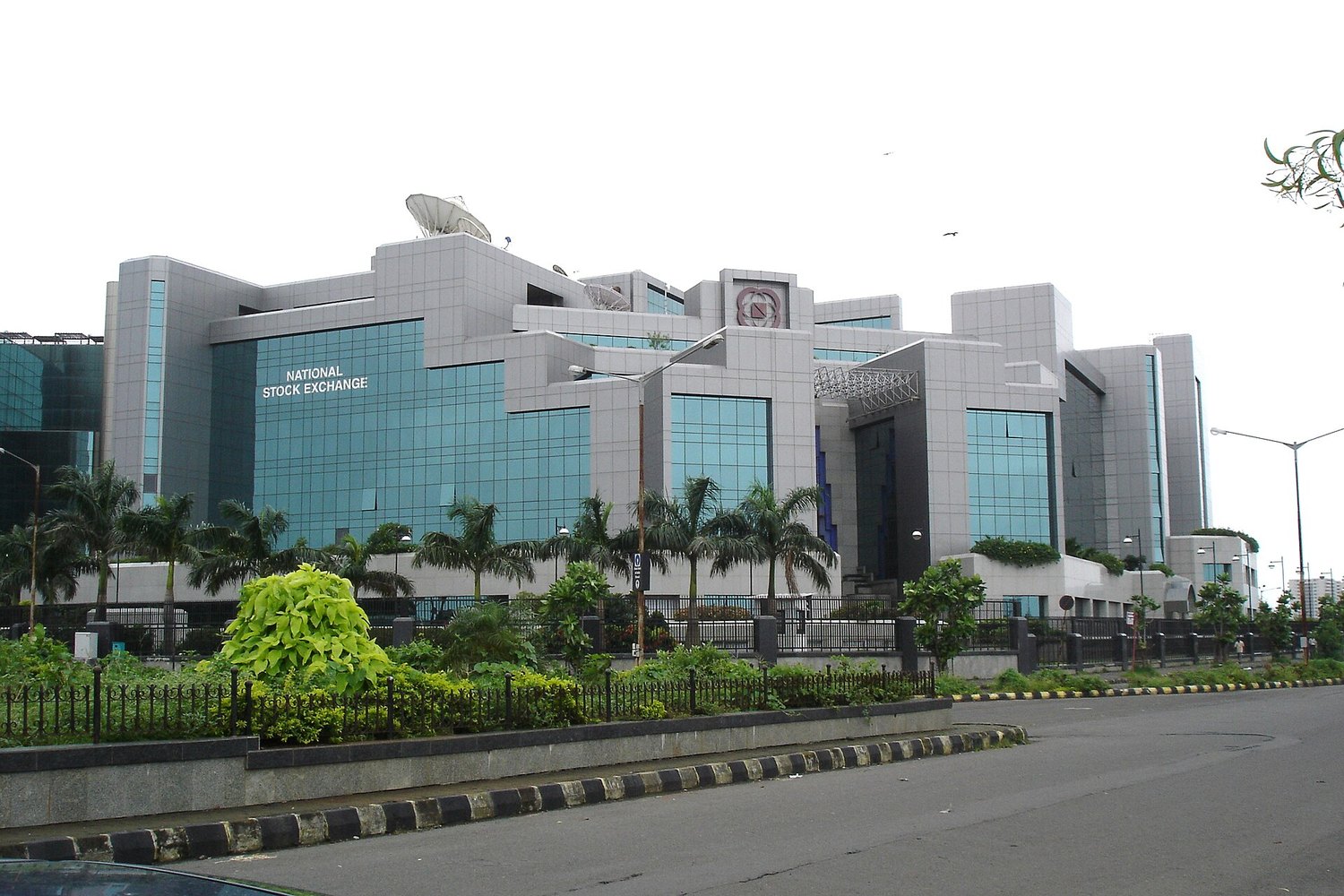
Foreign portfolio ownership of companies listed on the National Stock Exchange of India has fallen to a 17-year low, as global money managers cut allocations to the $5.1 trillion market or exit it entirely.
When Reed Capital Partners, a multifamily office, wanted to trim equity exposure about a month ago, it chose to exit its Indian portfolio completely.
The case for leaving
Gerald Gan, chief investment officer at the Singapore-based firm, described it as an easy decision.
"There isn't much going on for a good India story," Gan said. "It is more the growth story that is withering away for India."
Managers at Janus Henderson Investors and Vantage Point Asset Management have pared India exposure to zero over the past year or so.
The two reasons given
Investors cite two things: the absence of an artificial intelligence investment theme, and lukewarm corporate earnings.
The first is the more structural of the two. Money that wanted exposure to the AI build-out has found it in South Korea and Taiwan, where the semiconductor and hardware supply chain is listed. India's market does not offer an equivalent.
The second is simpler. Earnings have not kept pace with what the market's rating implies.
The valuation
Indian equities trade at about 17.6 times forward earnings — slightly below their own historic average, but still significantly more expensive than emerging market peers.
The NSE Nifty 50 Index commands a 77% valuation premium to MSCI's emerging-market benchmark.
That premium is the crux. A market can carry a high rating while it is delivering growth others cannot; when the growth story is questioned, the premium becomes the reason to sell rather than the reason to hold.
Foreign funds have pulled about $25 billion net this year and deployed it elsewhere.
How far the mood has turned
India now ranks as the least-favoured market in Asia, according to a recent Bank of America investor survey.
That is a reversal for a market described not long ago as one of the world's hottest investment destinations.
What had been the attraction
The draw a few years ago was India's economic growth rate, among the highest globally, and the infrastructure build-out under Prime Minister Narendra Modi.
Neither of those has gone away. What has changed, on the investors' own account, is the comparison: those attractions now sit beside the returns available from AI plays elsewhere in Asia.
What this measures
Foreign portfolio ownership at a 17-year low is a statement about who owns Indian equities, not about what they are worth.
The figures quoted — the $25 billion outflow, the 17.6 times forward earnings, the 77% premium — describe foreign positioning and relative pricing. They do not, on their own, describe the underlying economy.