Delhi deploys 30,000 personnel and 11 hotels for the BRICS summit
Anti-drone systems, snipers, five NSG mock drills in ten days, and a hotel allocation that keeps Iran's president apart from the Gulf delegations.
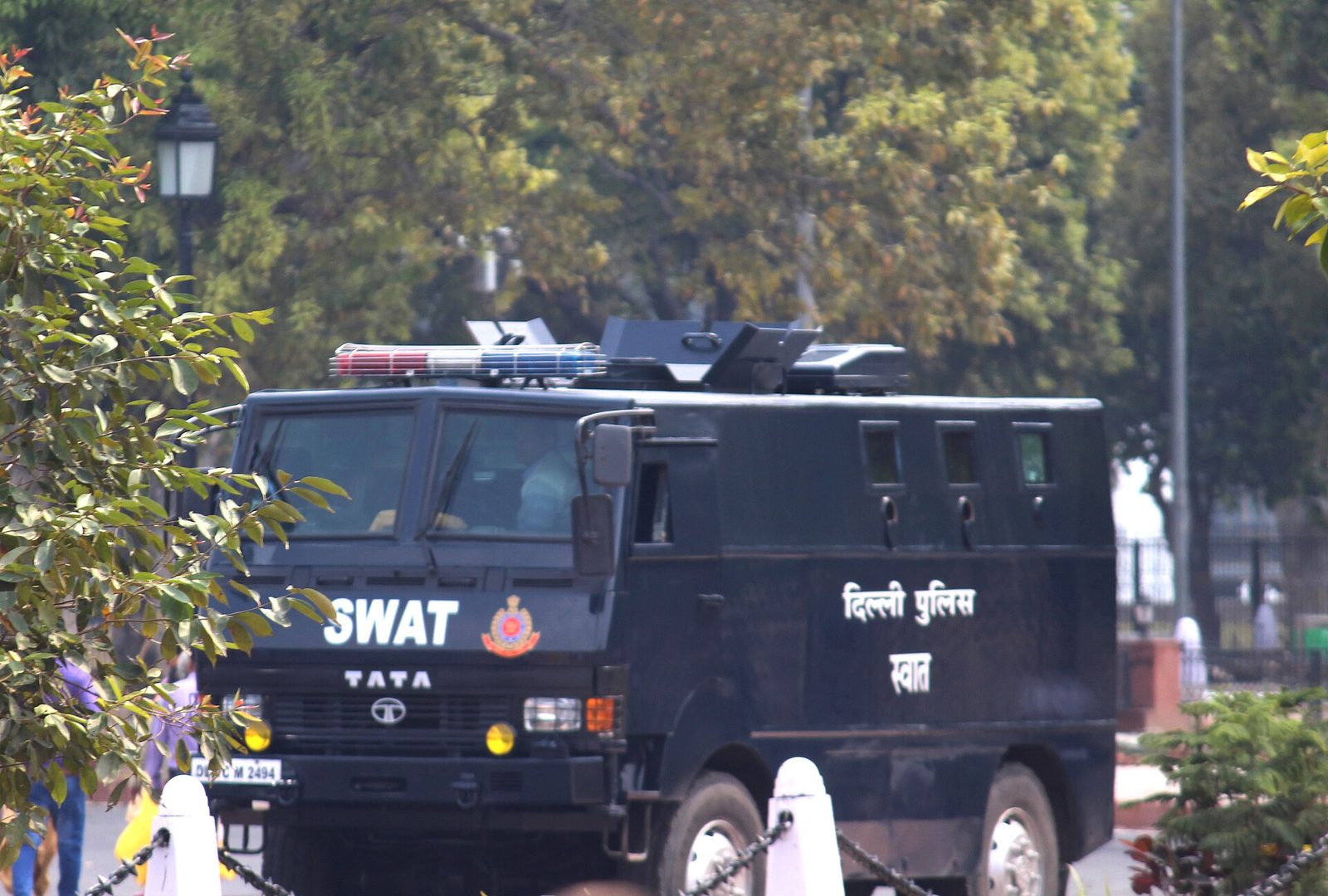
Delhi Police have deployed around 30,000 personnel for the BRICS summit, covering the airport, eleven hotels and Bharat Mandapam, in an operation officials describe as comparable in scale to the 2023 G20 summit.
About half those personnel are from Delhi Police; the rest are drawn from paramilitary forces. A further 10,000 from the CRPF, ITBP, BSF and the RAF are being held on standby. Above them sits a multi-layered grid across central Delhi that includes anti-aircraft guns, anti-drone systems, snipers and anti-sabotage teams.
How the grid is organised
The operation has been divided into sectors, each placed under a deputy commissioner of police or an additional deputy commissioner. Around 30 officers of DCP rank have been deployed between Bharat Mandapam and the hotels across the city, with at least ten of them at or around the venue itself.
At least 100 NSG commandos, working with Delhi Police SWAT personnel, have been given the venue and the hotels. Two command rooms — one at Bharat Mandapam, one at Delhi Police Headquarters — will oversee the event and the movement of cavalcades.
Preparation has been physical rather than theoretical. Rehearsals of the motorcade run from the airport to the hotels to the venue and back have been carried out several times. Under NSG supervision, emergency mock drills have been staged at the venue and the hotels roughly five times in the past ten days.
Every venue, hotel and cavalcade has been assigned a code word for use by the officers commanding each area.
Eleven hotels, and who is in which
From 11 September, eleven major hotels come under full security cover from Delhi Police and other agencies, each with a security team led by NSG officials. Hotel staff have been vetted individually, with checks run both in Delhi and in employees' home states.
The allocation itself carries diplomatic freight, and it has been done carefully.
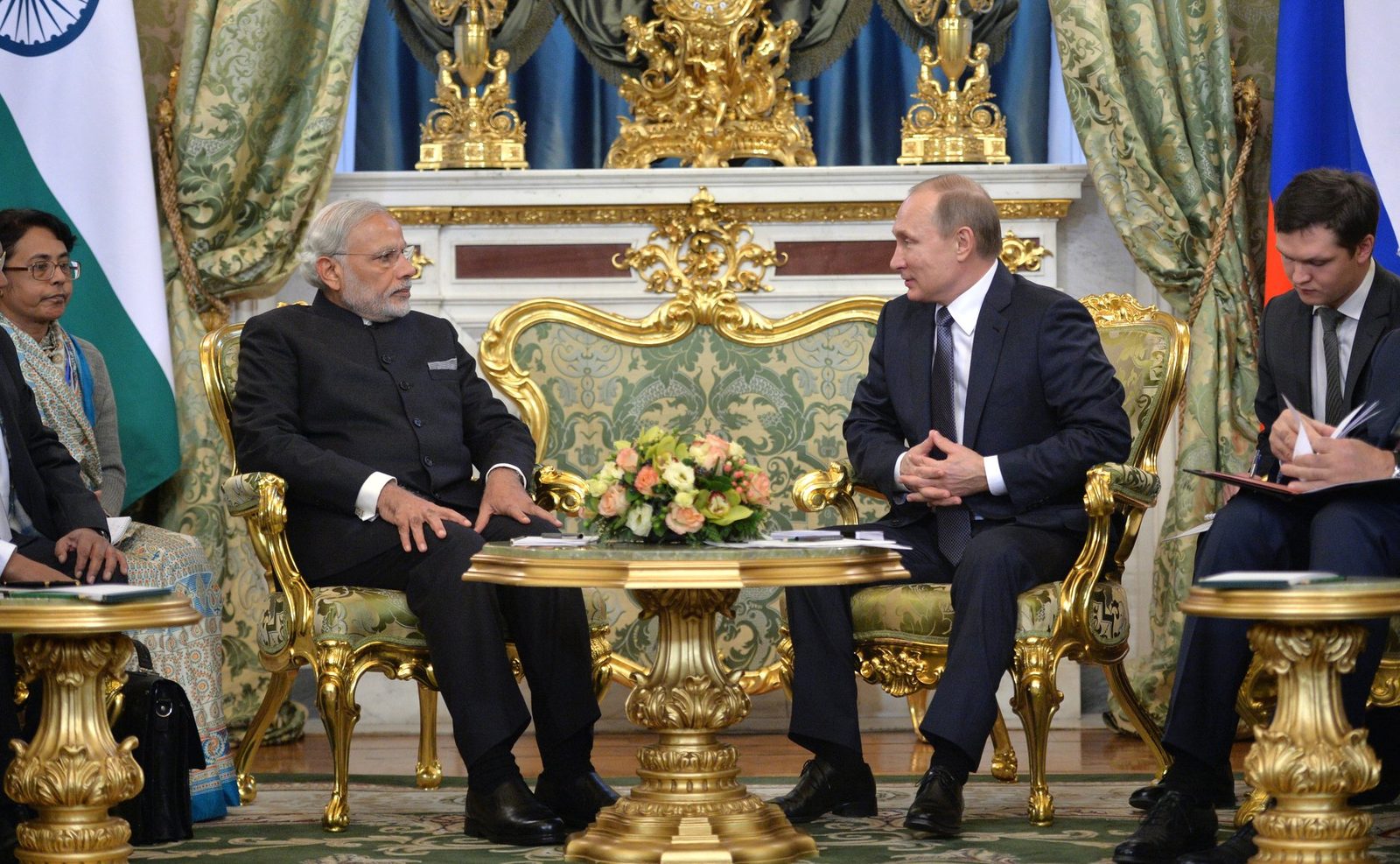
Iranian President Masoud Pezeshkian will stay in a hotel by himself. Chinese President Xi Jinping and Belarusian President Alexander Lukashenko share one. Russian President Vladimir Putin is accommodated alongside VIP dignitaries from Bangladesh. South African President Cyril Ramaphosa shares a hotel with the president of Burundi.
Elsewhere, the president of Indonesia, the prime minister of Ethiopia, the president of Kazakhstan and Thailand's deputy prime minister and finance minister are together in one hotel. The Crown Prince of Abu Dhabi and the finance ministers of Saudi Arabia, Bahrain and Brazil are in another. A third holds the president of the Philippines, the prime minister of Vietnam, VIP dignitaries from Bolivia and the finance ministers of Cuba and Uruguay. The Malaysian prime minister, a Nigerian minister of state, the vice-president of Uganda and the UN Secretary-General share a fourth.
Separating Iran's president from the Gulf delegations is the arrangement that stands out, and it reflects the same problem the summit's negotiators are trying to solve inside Bharat Mandapam: Iran, the UAE and Saudi Arabia are on opposite sides of a war that began in February.
The arrivals
Putin is expected to reach India on 11 September, Xi on 12 September. Both are due to land at the Air Force Station at Palam before travelling to hotels in Chanakyapuri, where security has been tightened for several days.
Advance teams from both countries are already inside those hotels, carrying their own weapons and equipment, with personnel stationed from the floors their leaders will occupy up to the rooftops and down to the ground floors. At the hotel where the Russian president is expected to stay, an additional deputy commissioner and two assistant commissioners have been assigned across separate shifts.
Both delegations are flying in some of their own vehicles and convoy cars. Officials expect Russia and China to run the largest motorcades of the summit.
What it means for the city
The security operation and the traffic plan are the same plan. Roads into Lutyens' Delhi will be largely closed on Saturday and Sunday, with officers posted to keep unauthorised movement out.
BNSS Section 163, which prohibits the gathering of people, is already in force across central and Lutyens' Delhi. On Saturday and Sunday it will apply to the whole of Delhi.
The leaders themselves are on a tight schedule: heads of state and government are expected at Bharat Mandapam between 1.30pm and 2.15pm on Saturday, and between 8.50am and 9.25am on Sunday. Those two windows are what the cavalcade rehearsals have been for, and they are why the roads into Lutyens’ Delhi stop being available to anyone else while they are open.