August 2026 ties the record for the hottest month ever measured
Copernicus put the global average at 1.65C above pre-industrial levels, level with July 2023 — and it happened before this year's El Niño had properly arrived.
No month has ever been hotter, and only one has been as hot: the European Union's climate monitoring service said on Thursday that August equalled the warmest month it has on record. The global average surface air temperature in August reached 16.96C, or 1.65C above the 1850-1900 pre-industrial baseline, tying the record set in July 2023.
What gives the figure its weight is the timing. The heat was measured before this year's El Niño had made much impact. El Niño is a recurring Pacific phenomenon in which shifting winds warm the ocean surface and release large amounts of heat into the atmosphere, and this year's is not expected to peak until late in the year, and could prove the strongest ever measured. In other words, the warming that produced a record month has not yet had its biggest expected boost.
It was also the first time since November 2025 that a month had crossed 1.5C, the threshold named in the Paris Agreement.
Measured against the more recent 1991-2020 average, rather than the pre-industrial one, August ran 0.85C warm. It beat the previous joint August record held by 2023 and 2024, and June to August was the joint-warmest such period on record globally, level with 2024.
The oceans went with it
The seas set records of their own. Copernicus reported that the average temperature of the extra-polar oceans reached 21.07C, the highest ever measured for an August, beating the 2023 mark. That figure beat the 20.98C recorded in 2023, and stands as a record not just for August but for any month of the year, level with March 2024. Conditions in the equatorial Pacific stayed much warmer than normal through the month.
Copernicus attributes the combination to two things working together: warming driven by greenhouse gases from burning fossil fuels, and the strong El Niño conditions now established in the equatorial Pacific.
"August 2026 was a remarkable month in the global climate record", said Samantha Burgess, who leads on climate at the European Centre for Medium-Range Weather Forecasts. "It was both the warmest August and the warmest month ever recorded." The observations, she said, showed climate change driving extremes in the atmosphere and the oceans alike, with the consequences increasingly felt by communities, economies and ecosystems.
Friederike Otto, an Imperial College London climate scientist, was blunt about the cause. El Niño is beginning to "ramp up the heat", she said, but the driver behind this year's temperatures remains the burning of fossil fuels. "Climate change makes every El Niño hotter", she added, warning that record-shattering months will keep coming until coal, oil and gas are left in the ground.
Europe's hottest summer
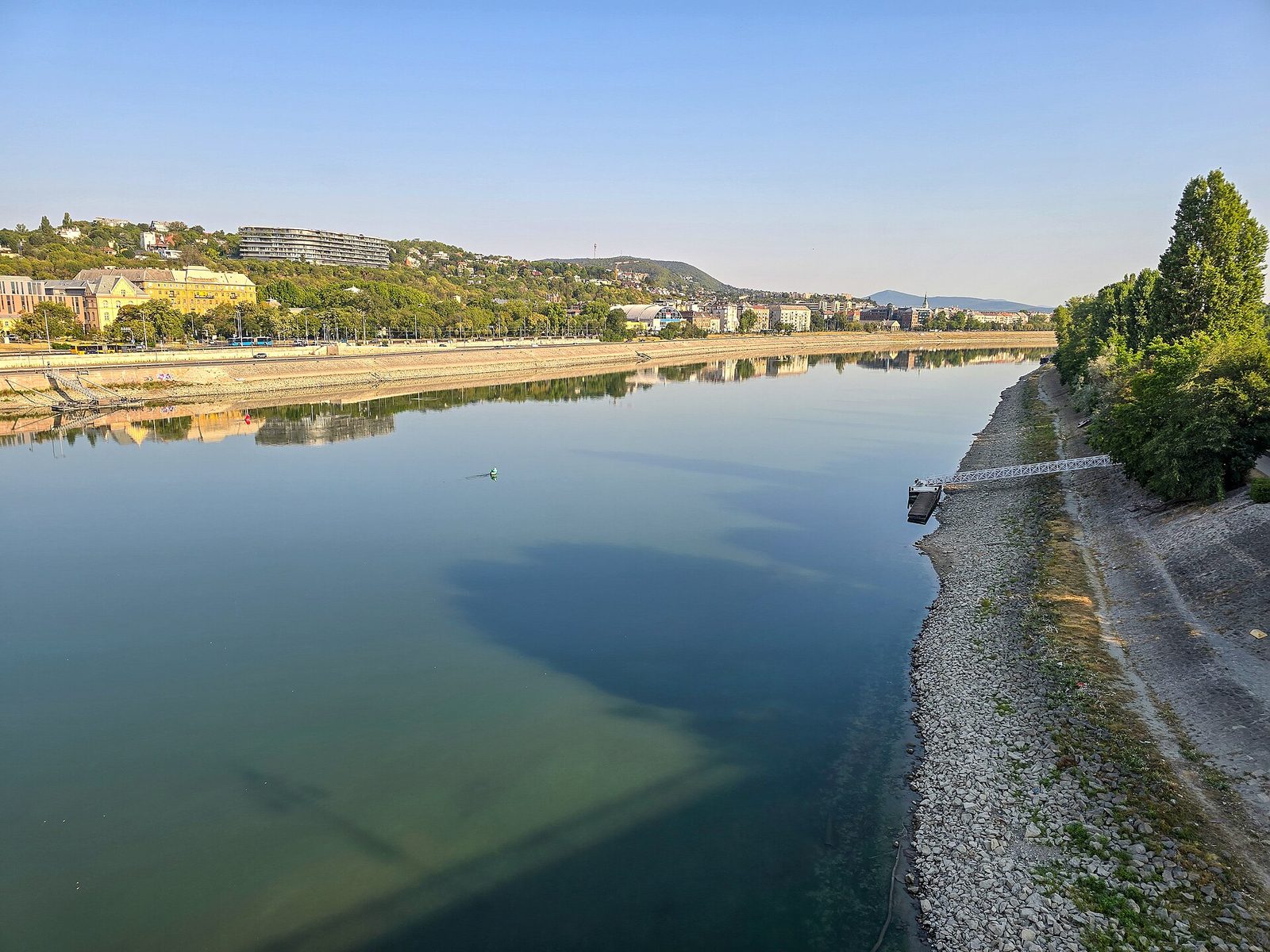
For Western Europe the figures close out the hottest summer ever recorded, beating 2003, with heatwaves that were unusually long, intense and early — some starting in May. Across European land the August average was 20.26C, which made it the continent's fourth-warmest August. Drought was widespread, with exceptionally low water in rivers including the Rhine, the Danube and the Vistula, alongside wildfires and river flows well below normal across the west of the continent. Elsewhere the pattern was one of contrasts, with wet and dry extremes in different regions.
The human and economic toll framed a warning delivered the same morning. Simon Stiell, who heads the UN Framework Convention on Climate Change, told a European Parliament committee that the summer had killed tens of thousands of people in Europe alone and battered infrastructure and business, at a likely cost of €180bn.
"The climate crisis is now a continent-wide economic security emergency", Stiell said. "We've seen mass evacuations. Power stations closed. And trade routes choked. Crops lost. Yields down. And food prices up."
Against the culture war
Stiell used the appearance to argue against treating climate policy as partisan territory, at a moment when populist parties in Europe and elsewhere are pressing to unwind emissions rules. Climate is sometimes cast as a front in the culture wars, he said, calling that reading "palpably false" and arguing the issue cuts across what voters of every stripe care about: family health, community safety, the price of food, jobs and household bills.
He also took aim at a common line of attack, saying migration was rising as a result of extreme weather, and that the fossil fuel crisis was pushing up government borrowing costs and shrinking the money available for public services.
Sources
- The Guardian — Stiell testimony and quotes, Otto quote, El Nino forecast
- Euronews — Copernicus figures, Burgess quotes, European summer records
- Copernicus Climate Change Service — Primary data release
- Down To Earth — 1991-2020 baseline, ocean record detail, June-August period