Adani seeks $2.5bn in India's biggest offshore loan of the year
A $1.5bn offshore bridge loan and a $1bn five-year facility would refinance the debt behind the Ambuja and ACC purchases, weeks after US charges against Gautam Adani were dismissed.
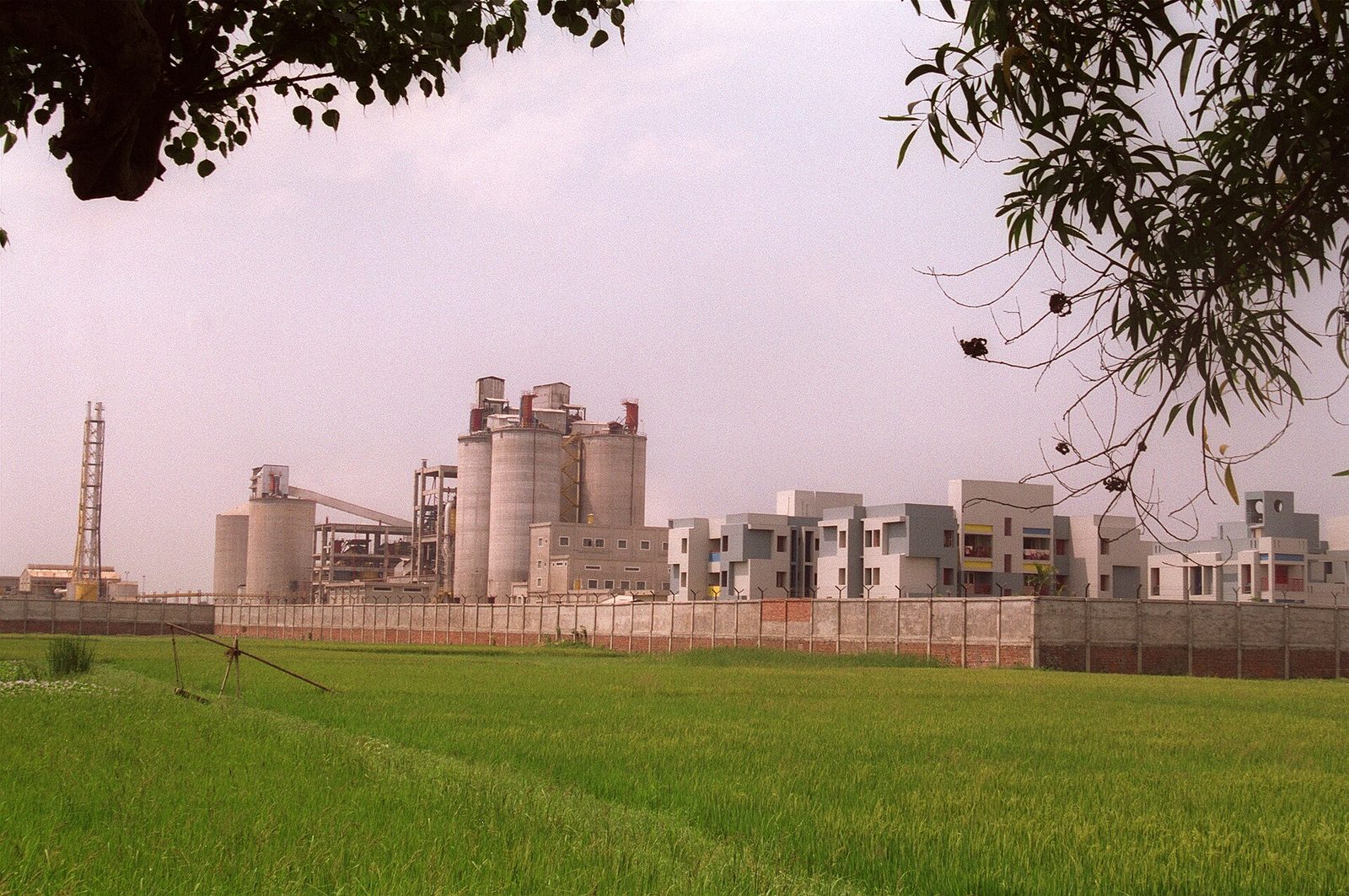
The Adani Group is preparing to raise $2.5bn from global lenders to refinance the debt it took on to buy two cement companies — a deal that, if completed, would be the largest offshore loan raised by an Indian borrower this year.
The structure splits the money in two. Endeavour Trade and Investment, a Mauritius-registered special purpose vehicle owned by the Adani family, is seeking $1.5bn through a bridge loan with a tenor of 18 to 24 months, priced at about 150 basis points over the Secured Overnight Financing Rate. Separately, Adani Infra (India), another family-owned entity, is looking for roughly $1bn through a five-year facility under the Reserve Bank of India's external commercial borrowing window, at around 275 basis points over SOFR.
Why the debt is being split
Breaking one requirement into two instruments is a way of reaching two different pools of money, and the group is doing it deliberately to lower its overall cost of borrowing in credit markets that are moving quickly.
The bridge loan is temporary by design: it will later be refinanced with a rupee-denominated facility from domestic lenders including State Bank of India and HDFC Bank. That converts foreign-currency exposure into local currency once the immediate need has passed, which matters for a borrower whose revenues are largely in rupees.
The external commercial borrowing leg benefits from an official subsidy of sorts. The Reserve Bank of India's concessional foreign-exchange swap facility, introduced to support a weak rupee, lowers the cost of hedging overseas borrowings — making dollar debt cheaper in effective terms for Indian companies able to use the window.
Banks in active discussion on both legs include DBS Group Holdings, Mitsubishi UFJ Financial Group, Sumitomo Mitsui Banking Corp and Standard Chartered. The banks are expected to sign in the next two or three weeks, with the loan likely to close before the end of October. Representatives for the Adani Group, State Bank of India, HDFC Bank and SMBC did not immediately respond to requests for comment; Standard Chartered, DBS and MUFG declined to comment.
The cement bill
The debt being refinanced dates to the group's acquisition of Ambuja Cements and ACC, which turned a ports-to-mining conglomerate into one of India's largest cement producers in a single transaction.
This is the second refinancing of that purchase, following a $3.5bn package arranged in 2023. A third leg, of about $1bn, is planned for 2027. Taken together, the sequence describes what large Indian acquisitions increasingly look like: an initial borrowing at whatever terms are available at the moment of the deal, then repeated refinancing as conditions improve and the borrower's standing changes.
At $2.5bn the transaction would sit ahead of AdaniConneX's $1.13bn borrowing as India's biggest offshore loan of the year, according to data compiled by Bloomberg.
Why the group can borrow this much now
The size is a function of timing as much as of appetite for cement.
Gautam Adani won dismissal of US securities fraud charges last month, and the Justice Department dropped criminal charges against him and his nephew relating to solar energy contracts in India. In May, Adani Enterprises reached a $275m settlement with the US Treasury's Office of Foreign Assets Control over apparent sanctions violations connected to liquefied petroleum gas shipments linked to Iran.
Those proceedings had a practical effect on financing that went beyond their legal merits. International banks apply their own compliance tests before lending, and an unresolved US enforcement matter narrows the syndicate willing to participate at any price. Their conclusion re-opens the market — which is why a $2.5bn syndicated facility is being discussed weeks rather than months afterwards.
The group has moved fast to use the opening. On Wednesday, Adani Airport Holdings said it would raise ₹9,825 crore, about $1bn, by selling a stake to a consortium including Temasek Holdings and funds managed by BlackRock.
What it signals about Indian credit
Two features of this deal say something beyond the borrower.
The first is the pricing spread between the legs — roughly 150 basis points over SOFR for the short bridge against about 275 for the five-year money. That gap is the market charging for duration at a moment when the direction of global rates is genuinely uncertain, with an energy shock feeding inflation across major economies.
The second is the role of the central bank's swap facility. A central bank measure introduced to defend the currency is, in effect, subsidising the hedging costs of large corporate borrowings abroad. For companies with the balance sheet to raise dollars, that lowers the cost of doing so; for the wider economy it means the biggest borrowers are best placed to benefit from a policy aimed at a broader problem.
Nothing has been signed. Bankers describe a two-to-three-week path to signature and an October close, and syndicated loans of this size can slip. But the shape of the transaction — offshore bridge, domestic take-out, a further leg next year — is now a familiar template in Indian corporate finance, and Adani has become its most practised user.