Five dead and more than 80 missing after fire sweeps through Philippines ferry
The MV June Aster was an hour from Coron with 134 people aboard when fire broke out in the cargo hold. A day later the vessel was still burning and families were waiting outside hospitals.
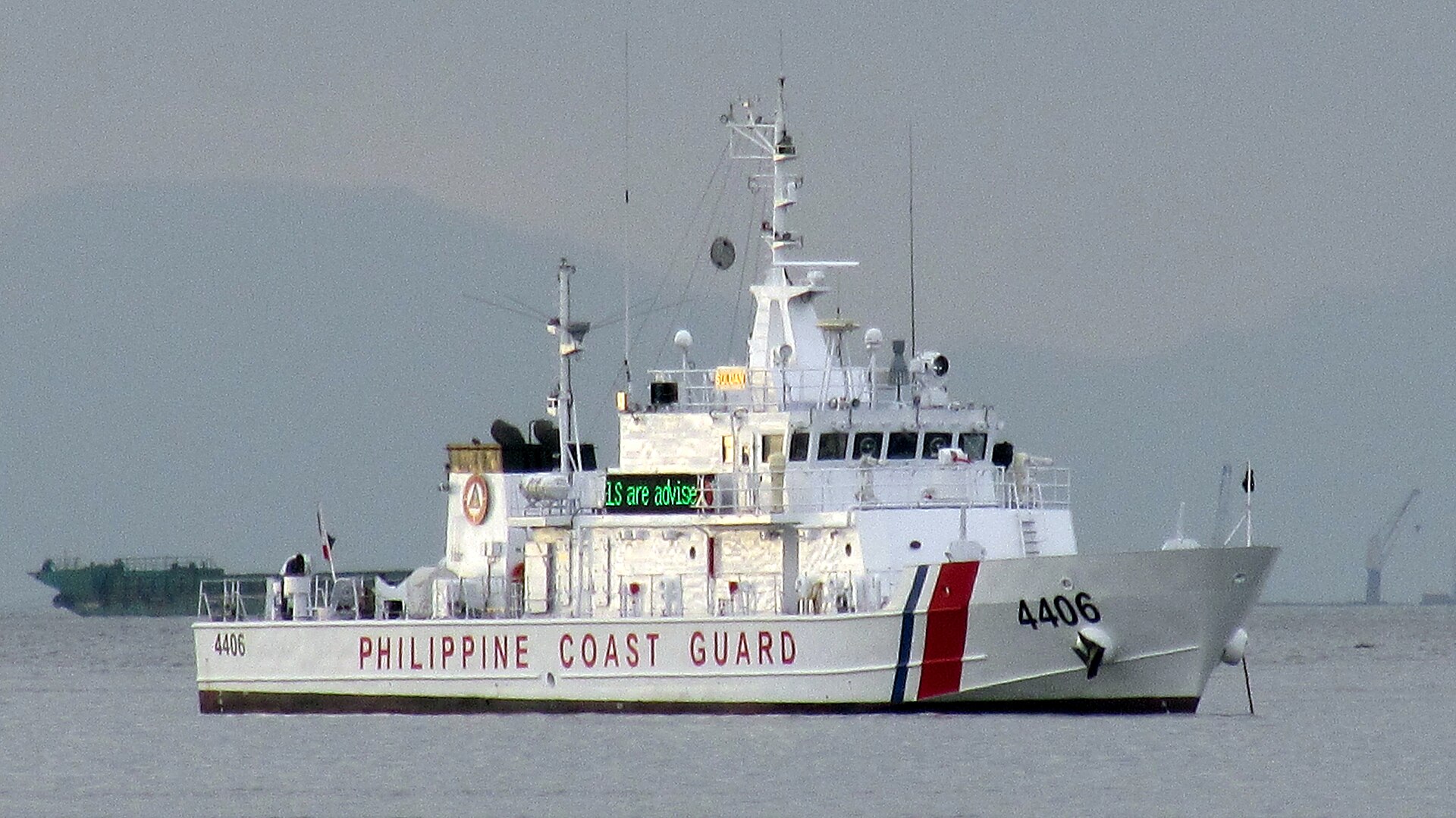
At least five people are dead and more than 80 unaccounted for after fire tore through a passenger ferry off the western Philippines, with the search still running a full day later.
The MV June Aster had sailed from Manila carrying 117 passengers and 17 crew, and was roughly an hour from its destination at Coron in Palawan when the blaze began at 18:45 local time on Wednesday. The coastguard placed the vessel about 2.2km offshore.
The numbers, and why they differ
Accounts of the toll vary slightly between sources, which is normal while a rescue is in progress and worth stating plainly rather than smoothing over.
The Philippine Coast Guard told the BBC that 43 people had been rescued and 86 were missing. Coastguard Captain Noemi Cayabyab told a local radio station on Thursday that 42 had been rescued — 38 passengers and four crew — and that 87 remained unaccounted for. Reuters reported 43 rescued as of Wednesday night. Both figures work from the same manifest of 134 people.
Cayabyab was explicit about the uncertainty.
"Just to make it clear, this is live data and may change, as our search and rescue operations are ongoing," she said.
She added that the coastguard had not yet been able to speak to those rescued, so their accounts had not been incorporated.
Still burning
The fire was still alight at 11:00 on Thursday, more than sixteen hours after it started. Strong currents and thick smoke have hampered efforts to put it out, according to the coastguard, and video the service shared showed much of the vessel engulfed in flames and people being pulled from the water into rescue boats.
Preliminary interviews with survivors suggest the fire began in the cargo hold, the compartment where containers and goods are stored. The coastguard also noted that some passengers had not been wearing life vests. The cause remains under investigation, and no formal finding has been published.
Seven of those rescued were taken to hospital on Culion, a larger neighbouring island with more beds and broader services than Coron. Others were taken to an evacuation centre in Barangay Turda. The extent of injuries is unclear.
Two hours in the water
Roland Lerma, who survived, told the BBC he spent two hours in the sea before a boat reached him.
"It was cold. If the rescue was delayed, I would definitely have died," he said.
A first responder described carrying casualties to hospital through the night and said they had never seen a disaster like it in Coron, calling it "really heartbreaking".
Families waiting
Anelyn Magbanua is among those still waiting. Her husband Marlon had been in Manila visiting their two children, who attend school in the capital. She last heard from him as the ferry passed a village about two hours from Coron, and had expected it to dock between 18:00 and 19:00.
She went to bed early and was woken by a cousin telling her the ferry was on fire.
"I have been crying and praying since last night," she said. She travelled to a hospital in Coron hoping to find him among the survivors. He remains unaccounted for.
"My two-year-old son and I are outside the hospital as we speak. We have nothing but ourselves," she said.
Rai Garcia has three family friends among the missing: Mae Lorraine Galera-Navoa, who had travelled to Luzon for her father's funeral, her husband Elyzer Navoa, and their three-year-old daughter Hiraya Joy. The family were returning home to El Nido.
A recurring pattern
Sea accidents are common in the Philippines, an archipelago of more than 7,000 islands regularly hit by monsoon rains and typhoons that make conditions treacherous. Poor vessel maintenance, overcrowding and inconsistent enforcement of safety rules have been blamed for previous incidents.
In January a ferry carrying more than 350 people sank off Baluk-baluk island, killing at least 18.
Figures in this report reflect the position at the time of writing and are expected to change.